Kaiser Mental Health Strike Ends After Tenth Week
Kaiser Mental Health Strike Ends After Tenth Week
The tenth week of the Kaiser Permanente mental health workers strike in California finally ended on October 20, 2022. It first started on August 15th after contract negotiations started to go sour between the National Union of Healthcare Workers and Kaiser. Workers claim that not only were they forced to take on large caseloads, but new patients were also suffering from long wait times to start therapy. Current patients had their own problems, having to wait up to 1 to 2 months between their therapy sessions, at minimum.Up to 2000 members of the Union ended up protesting through the tenth week. They had a list of demands they wanted to see met before they would return to work. The mental health workers wanted staffing to be increased, which would take care of the issue of patients having to wait so long to first be seen. If they were already patients, then they would be seen more frequently. Other things they wanted included reduced caseloads, and Kaiser covering out of network services if in network care wasn’t available. Kaiser is required by law to cover out of network services if nothing else is offered because of California’s mental health parity law, making its actions (or inaction) a possible legal issue.
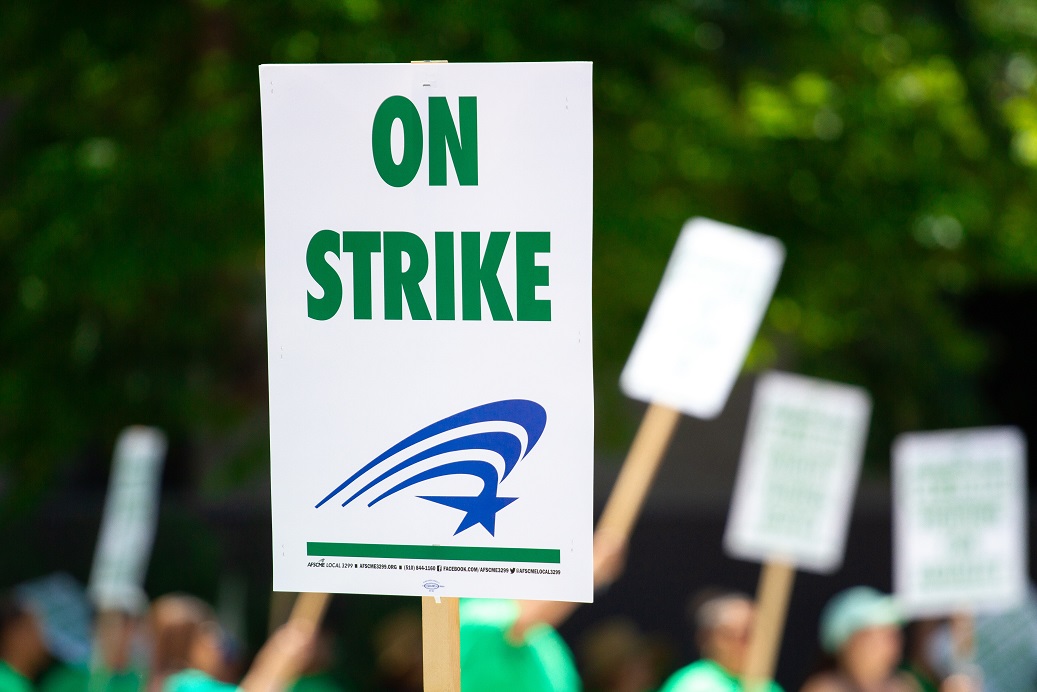 Photo by Martin Lopez from Pexels
Sources:
Update: Kaiser mental health workers reach a tentative agreementPsychiatric Care in the US: Are We Facing a Crisis?Kaiser mental health workers return after tentative agreement reached, ending strike in Central CA
About Sara E. Teller
Sara is a credited freelance writer, editor, contributor, and essayist, as well as a novelist and poet with nearly twenty years of experience. A seasoned publishing professional, she's worked for newspapers, magazines and book publishers in content digitization, editorial, acquisitions and intellectual property. Sara has been an invited speaker at a Careers in Publishing & Authorship event at Michigan State University and a Reading and Writing Instructor at Sylvan Learning Center. She has an MBA degree with a concentration in Marketing and an MA in Clinical Mental Health Counseling, graduating with a 4.2/4.0 GPA. She is also a member of Chi Sigma Iota and a 2020 recipient of the Donald D. Davis scholarship recognizing social responsibility. Sara is certified in children's book writing, HTML coding and social media marketing. Her fifth book, PTSD: Healing from the Inside Out, was released in September 2019 and is available on Amazon. You can find her others books there, too, including Narcissistic Abuse: A Survival Guide, released in December 2017.