Know Your Rights at a Traffic Stop
Know Your Rights at a Traffic Stop
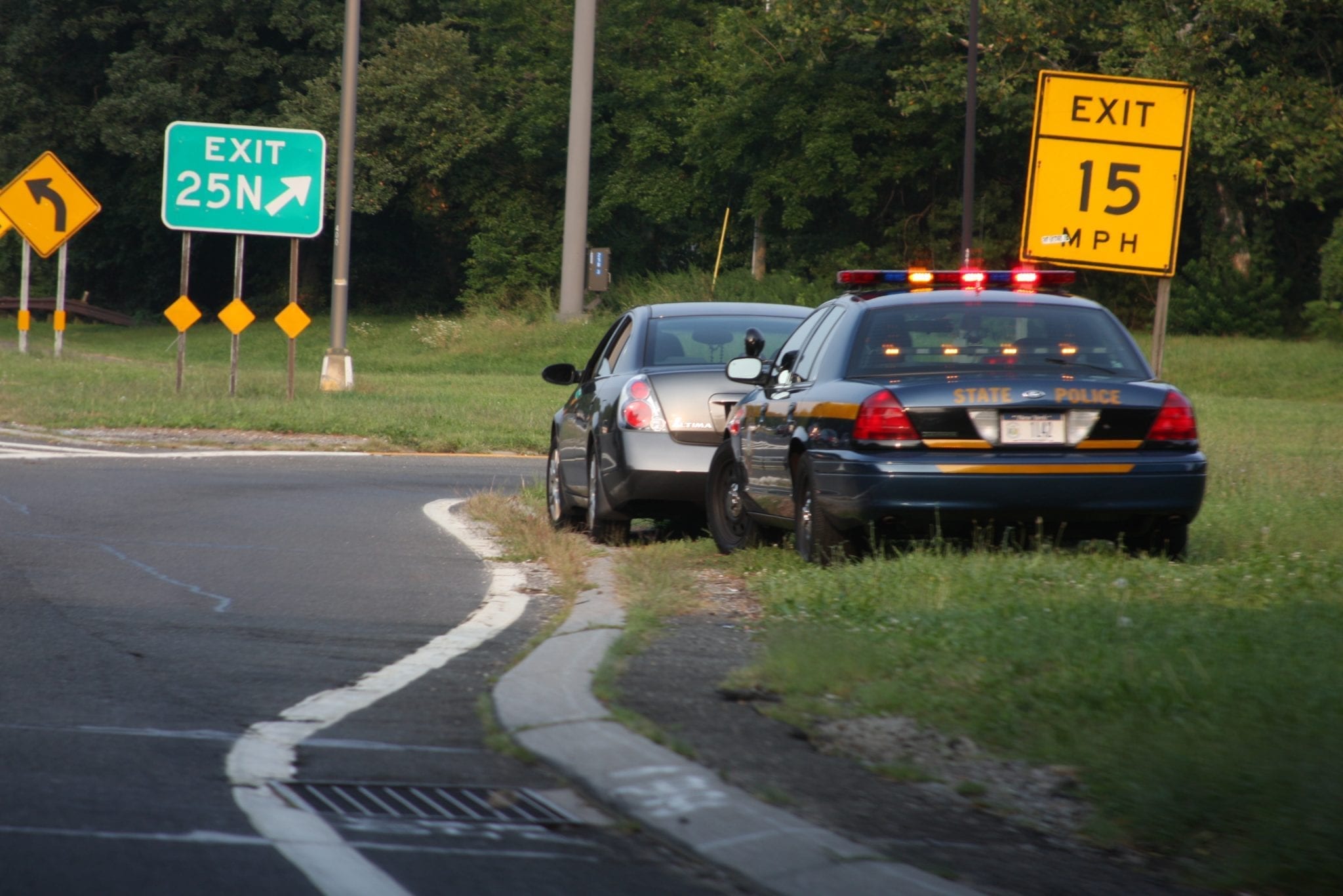
In a five-minute experiment involving an iPhone and a four-way stop, WTOP’s Megan Cloherty discovered a not-so-startling revelation: most people don’t stop completely at stop signs.In fact, of the 27 cars that rolled down the road on that sunny day, only six came to a complete halt.It’s no secret that we do not always adhere to strict driving regulations. Sometimes we go a tad over the speed limit or let our car roll as a traffic signal turns. And, when we see those red and blue lights in our rear-view mirror for a small transgression, our hearts sink.Most police officers are there to help, but it’s best to know your rights whenever you are pulled over.Probable CauseOne of the first things an officer usually asks is if you know why they pulled you over.That’s where we give a silent, groaning “yes” and then open our mouths to give a more respectable answer.However, there are instances where you may have no idea why you were stopped, and a police officer must have a reason for doing so. This is called probable cause.You cannot be pulled over without a specific reason, and it is acceptable to inquire why you were.You Don’t Have to Pull Over ImmediatelyHow many times have you seen that guy? The one who pulls over on the middle of a major street, blocking traffic and endangering the poor officer who has to talk to him?Don’t be that guy.Drive to a safe nearby location, such as a driveway or parking lot. If you need to travel a small distance to get to such a setting, give the officer a hand signal to let him know what you’re doing.
 Night-time traffic stop on Gregson St. in Durham, North Carolina; image by Ildar Sagdejev (Specious), CC BY-SA 4.0, via Wikimedia Commons, no changes.
If you provide your consent, the officer is free to search your automobile. If you are uncomfortable providing consent, it is within your rights to deny access.
If there is evidence or contraband in plain view, the officer has a right to check the vehicle.
Search Incident to Arrest (SITA), also known as the Chimel rule, permits officers to search your possessions (including your car) if you have been arrested.
If there is probable cause to suspect a crime, an officer may search your vehicle. Probable cause includes facts and circumstances that lead the officer to suspect criminal activity is occurring.
If a cop suspects evidence is being destroyed or there is imminent danger, he or she may search your car by claiming it was an exigent circumstance.
About Mitchell Collins
Mitchell Collins is a freelance journalist with experience writing in fields such as law, business, marketing, current events, and more. Ever since high school, he’s followed the news with interest and found the study of law to be fascinating. From explaining it to his family and friends, to writing about it in his spare time, Mitchell has found that explaining the nuances of law to people is both fun and fulfilling. He hopes that through his blog, he can help a wider range of audiences understand aspects of law that they may never have thought about – but that may still have an impact on their lives.