Land Rights: Four American Perspectives
Land Rights: Four American Perspectives
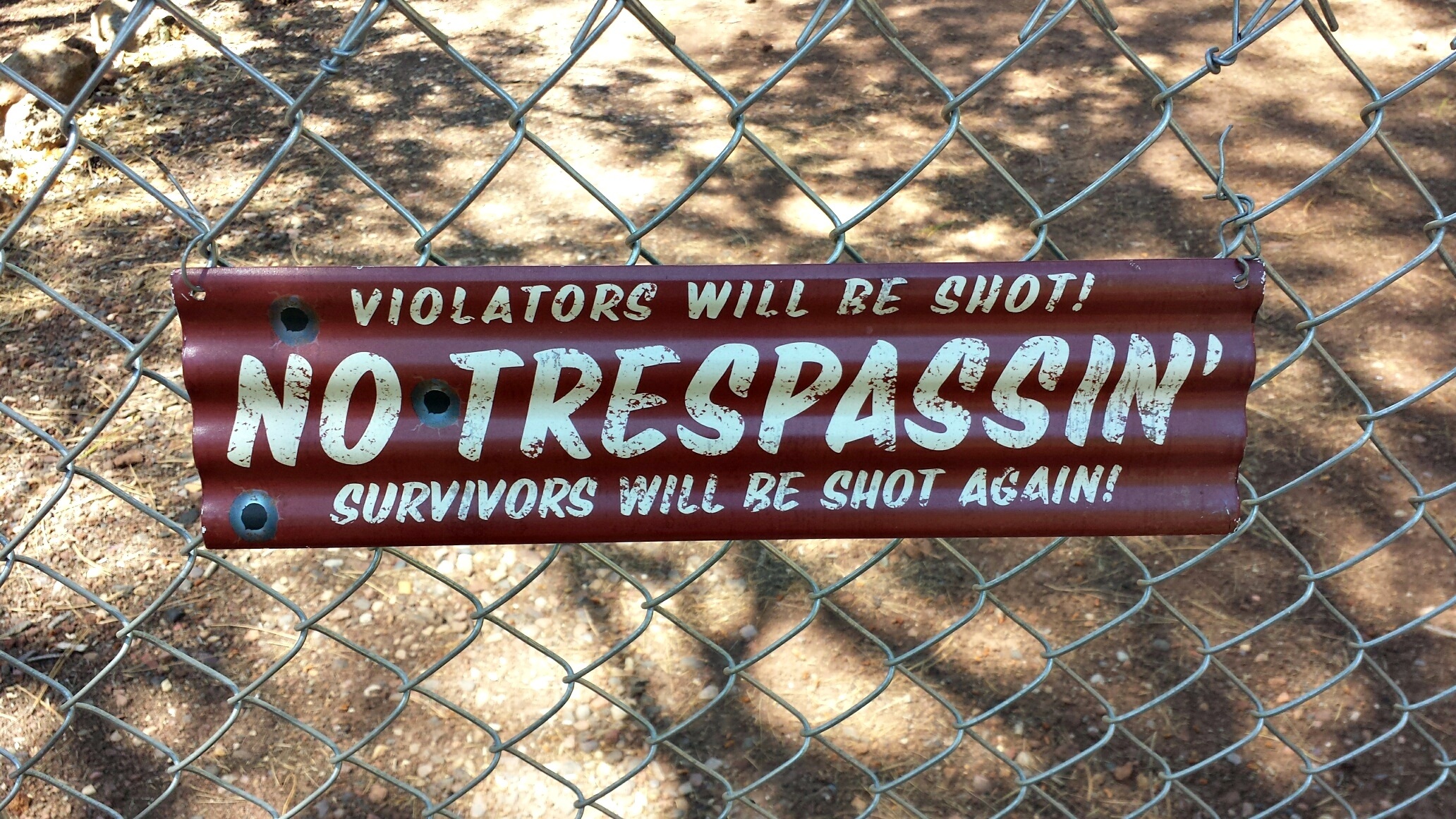
Property and land rights are often taken for granted in the United States. After all, isn't buying your own quarter-acre of paradise surrounded by a picket fence part of the American dream, and don't you dare tread on me? Yes... and no. That's one way of looking at land rights, but dig just a little deeper and there's so much more to find.If there's a poster child for the American Dream, it would have to be Bill Gates. Far, now, from the Albuquerque garage where Microsoft was born, Gates decided to diversify his portfolio by investing in massive amounts of land. As of January 2021, Gates and his wife own 268,984 acres of American soil, 242,000 of which are farmland, more than anyone else in the United States. Gates, who could end world hunger and still be ridiculously wealthy, has donated funds to support smallholder farming. One wonders, however, if owning the land rights, instead of having to pay rent to a multibillionaire for all those acres, would help a cash-poor, land-poor generation of new farmers and do more to support smallholding in the long run.Gates might own vast swaths of land, but he is unlikely to know every tree and hollow on it as well as the original inhabitants did. There's another way to think of land rights, which is less about who owns a paper title to it, and more about who has stewarded those rivers and hills since time immemorial. Long displaced, Indigenous people are still fighting to regain stolen land, and a new generation is listening. Late last year, the Nez Perce tribe was able to purchase 148 acres of ancestral land in eastern Oregon that the U.S. Army removed them from in 1877. No longer considered trespassers, the tribe hopes to reintroduce sockeye salmon in the river their ancestors fished. “The very ground we walk on is made up of our ancestors. That’s how deep our connection is,” Nakia Williamson-Cloud told Oregon Public Broadcasting.Trespassing used to be unthinkable in Montana, and not because wanderers turned back at the sight of a closed gate. One of the common land rights that eroded away so long ago that we barely know what we've lost is the right to roam, to wander others' private property as easily as one would use a sidewalk. Once considered such a basic right that a Constitutional amendment guaranteeing it was believed unnecessary, the erosion of this freedom began after the Civil War, to prevent formerly enslaved people from hunting, foraging, or merely existing on land owned by white people. In wild Montana, however, would-be wanderers are only now losing this ground to newcomers who buy land and post “No Trespassing” signs, ignorant of the local culture. Locals are resisting, though, because to them, being fenced out of private property is like being slowly caged.
 Bill Gates, owner of the most farmland in the United States. Photo by the UK Department for International Development, courtesy of Wikimedia Commons. CC BY 2.0
Sources:
Bill Gates: America’s Top Farmland Owner
Ending hunger: science must stop neglecting smallholder farmers
Land Access for the Next Generation
Nez Perce Tribe reclaims 148 acres of ancestral land in Eastern Oregon
LandBack Manifesto
Returning the Land
Freedom to Roam: Restoring the Right of Responsible Access
Reading Paine From the Left
About Dawn Allen
Dawn Allen is a freelance writer and editor who is passionate about sustainability, political economy, gardening, traditional craftwork, and simple living. She and her husband are currently renovating a rural homestead in southeastern Michigan.