
Legal Principles Governing Accident Claims
Legal Principles Governing Accident Claims
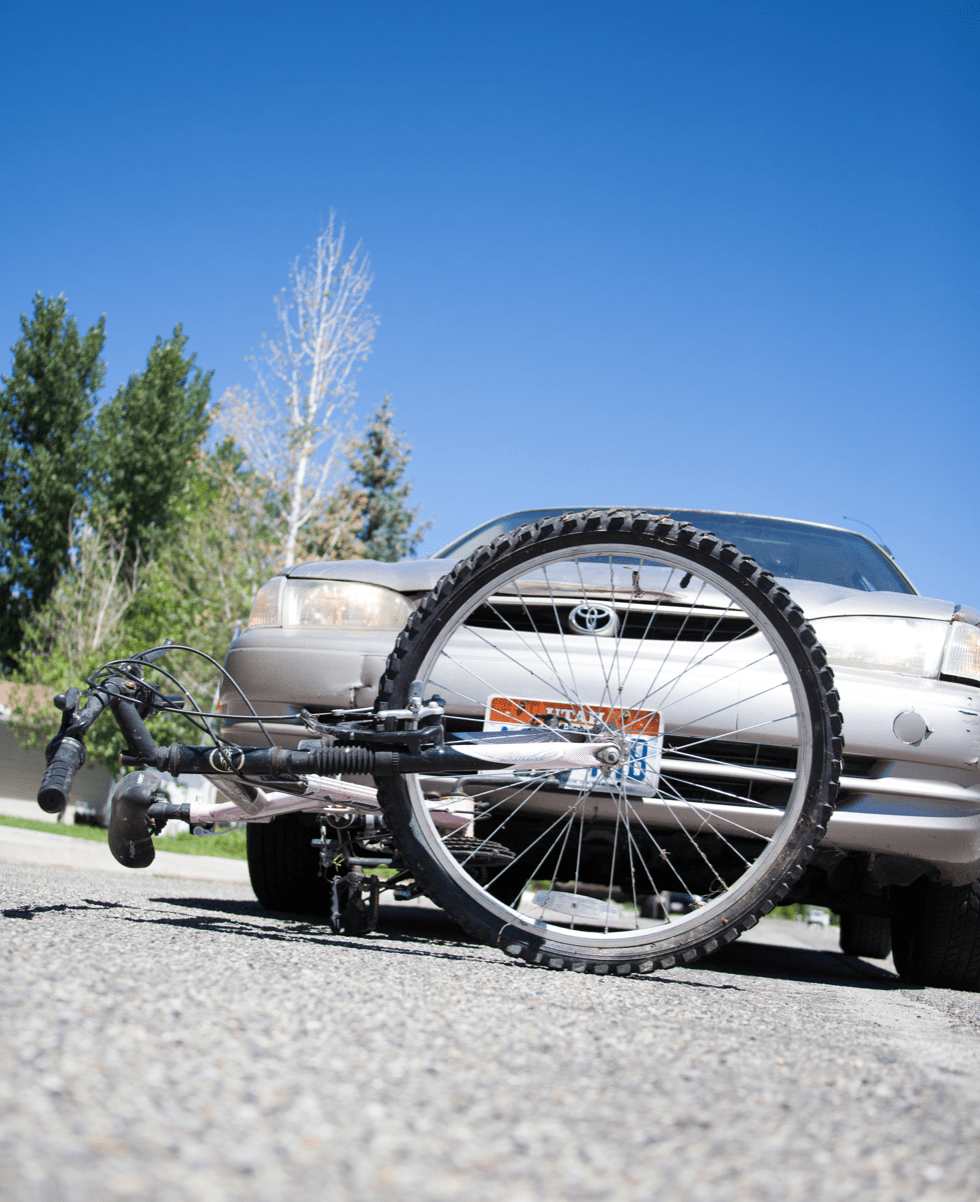
Accident victims are legally protected to ensure fair compensation for their injuries. These protections include the right to seek damages for medical expenses, lost wages, and pain and suffering.Additionally, victims have the right to legal representation to navigate the complexities of personal injury claims. Skilled, experienced, and reputable accident and personal injury lawyers can provide invaluable support in pursuing the full extent of compensation available under the law.What Constitutes an Accident in Law?In law, an accident is an unforeseen and unintended event resulting in harm or injury to a person. It is characterized by its sudden and unexpected nature, often involving negligence or wrongful conduct by another party.Accidents can encompass a wide range of incidents, including car collisions, slip and falls, and workplace injuries. Understanding the legal definition of an accident is crucial in determining liability and seeking appropriate compensation for the injured party.Legal Principles Governing Accident Claims Below are 9 legal principles that govern personal injury claims:NegligenceOne of the fundamental legal principles governing accident claims is negligence. This principle holds that individuals have a duty to exercise reasonable care to avoid causing harm to others. When this duty is breached, and it results in an injury, the negligent party may be held liable for damages.CausationCausation establishes the link between the negligent conduct and the resulting injury. It requires demonstrating that the negligent actions directly caused the harm suffered by the victim.Assumption of RiskThis principle acknowledges that individuals may assume certain risks when engaging in certain activities. However, it does not absolve others from their duty to exercise reasonable care to prevent foreseeable harm.Strict LiabilityIn some cases, certain activities or products may impose strict liability, meaning that the responsible party can be held liable for resulting injuries regardless of fault or negligence.Statute of LimitationsAccident claims are subject to a statute of limitations, which sets a time limit within which a lawsuit must be filed. Failing to file within this timeframe may result in the loss of the right to seek compensation.Comparative NegligenceSome jurisdictions follow the principle of comparative negligence, which allows for the allocation of fault between parties involved in an accident. The compensation awarded is then adjusted based on the degree of fault assigned to each party.Intervening CauseThis principle addresses situations where an unforeseen event occurs after the initial negligent act, potentially impacting the liability of the responsible party.Pre-existing ConditionsWhen an accident exacerbates a pre-existing condition, legal principles dictate that the responsible party may still be held liable for the worsening of the condition.DamagesLegal principles governing accident claims recognize various types of damages, including economic (such as medical expenses and lost wages) and non-economic (such as pain and suffering), which may be sought by the injured party.Common Types of Personal InjuriesHere are five common types of personal injuries:Motor Vehicle AccidentsMotor vehicle accidents can lead to a range of injuries, including whiplash, broken bones, and head trauma. They often result from the force of impact during collisions and can have long-term effects on an individual's health and well-being.Slip and Fall Incidents
 Person at bottom of stairs; image by Free-Photos, via Pixabay.com.
Misdiagnosis
Surgical errors, and
Medication mistakes.
About Courtney Dawson
Courtney is a freelance writer, with years of experience, creating content and owning a blog, Explore her amazing content on various blogging sites.