The Legalities of Property Damage Claims: How to Protect Your Rights
The Legalities of Property Damage Claims: How to Protect Your Rights
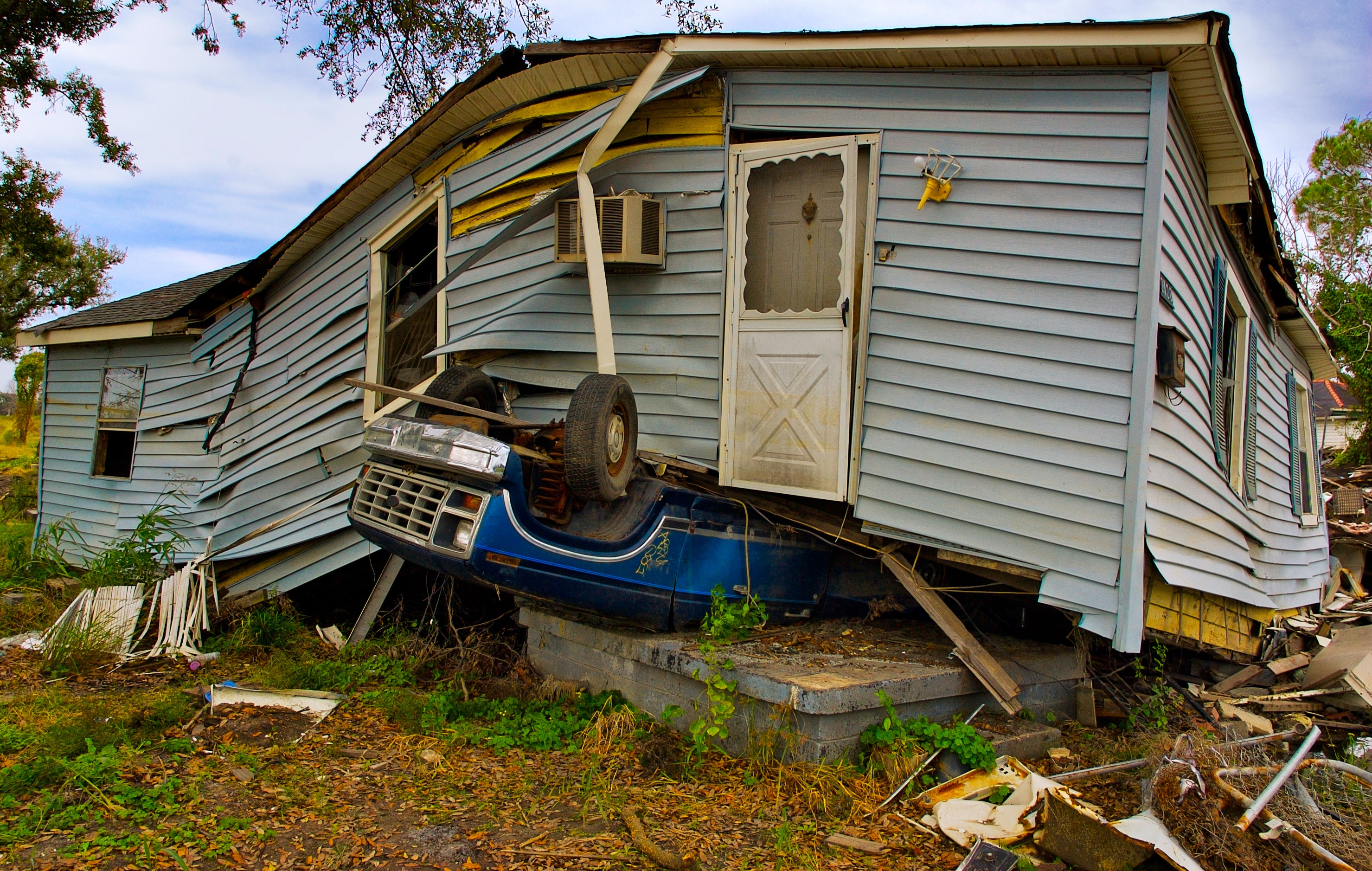
You’re entitled to seek compensation for the losses incurred due to property damage as a result of someone else’s negligence or intentional actions. Property damage claims encompass a wide variety of incidents, ranging from car accidents and natural disasters to vandalism. It’s important to first understand the basics of these claims and how they work to protect your rights and ensure a fair resolution.Property damage claims can extend beyond physical damage to tangible items. They can also cover economic losses like lost income or diminished property value.From proving the responsible party’s negligence or intention to demonstrating a direct link between the action and the damage caused—Navigating property damage claims can sometimes be a little overwhelming. That’s why we have created this guide to help you out with a seamless claim process.Evaluating Liability and Responsibility for Property DamageThe first step is to see the damage and liability. A property damage lawyer will help you evaluate liability and determine the full extent of damage for you. The process usually involves identifying the party or parties that can be held legally accountable for the damages.When evaluating liability and responsibility for a property damage claim, it’s important to keep these points in mind:
Proving fault and negligence often involves gathering evidence and witness statements. In some cases, you might also be required to furnish expert testimony.
If the damage was a result of intentional actions like vandalism or malicious acts, you will need to prove the deliberation to pursue any kind of compensation.
If a product was unreasonably dangerous or defective when used as intended, you can hold the manufacturer, distributor, or retailer responsible in the case of any property damage. This falls under product liability laws.
Property owners have a duty to maintain safe conditions on their premises. This is called premises liability. In case a hazardous condition on someone else’s property caused damage to your property, you can file a premises liability claim.
Some states have comparative negligence laws. These laws reduce the compensation you’re eligible for based on the level of your own fault in the incident.
Photos and Videos: Clear photos and videos of the exact damage from multiple angles serve as visual records and evidence that demonstrates the extent of the damage.
Written Descriptions: These are descriptions of the damage that we recommend you always add alongside the visual evidence. This helps explain the level of damage while providing extra information like the cause, date, time, and any immediate action necessary to mitigate more harm.
Witness Statements: Witness statements always improve a case. If there were any witnesses, try to obtain their contact information. These statements will not only add credibility to the claim but provide an independent account of what happened, which can support your case.
Documents: All documentation and paperwork related to the incident must be kept organized and ready for submission. This includes police reports, receipts or invoices for repairs and replacements, bills for temporary accommodation, insurance documents, and so on.
Report the property damage to your insurance company as soon as possible.
Familiarize yourself with the terms and coverage of your insurance policy. Understand the limits, exclusions, and deductibles that apply to your specific situation.
Provide truthful and accurate information to the insurance company when reporting the incident and filing the claim.
Keep detailed records of all interactions with the insurance company, including dates, times, names of representatives, and a summary of the conversations.
Whenever possible, request important information and decisions in writing from the insurance company.
 Image by Icons8 Team, via Unsplash.com.
Avoid accepting the first settlement offer from the insurance company without careful consideration. The initial offer may not reflect the full extent of your damages, and it is essential to assess the adequacy of the compensation.
Be cautious about signing any release or settlement agreement without fully understanding its implications.
While it's essential to cooperate with the insurance company, avoid providing unnecessary personal or medical information that is unrelated to the claim.
Avoid admitting fault or making statements that could be interpreted as accepting responsibility for the damage. Leave the determination of liability to the insurance company and any applicable legal processes.
About Bilal Sajjad
Let me introduce myself, the editor of Beauty Lies Truth. I love traveling and visiting new places, and tend to bring comfort into the trip. I love spicy food, anything with lemon, nature, and I don't understand the point of taking a picture without one of us appearing in it.