LGBTQ Tenant Rights: What Can You Do If You Are Being Discriminated Against
LGBTQ Tenant Rights: What Can You Do If You Are Being Discriminated Against
Despite improvements in federal and state laws, housing discrimination against LGBTQ individuals continues to exist in America. At the time of writing, 23 states and the District of Columbia (D.C.) have laws that ban discrimination based on sexual orientation and gender identity. Eight states have laws that interpret existing prohibitions on sex discrimination to include sexual orientation and gender identity. One state prohibits discrimination based on sexual orientation only, and 18 states plus five territories have no laws that prohibit discrimination based on sexual orientation or gender identity.
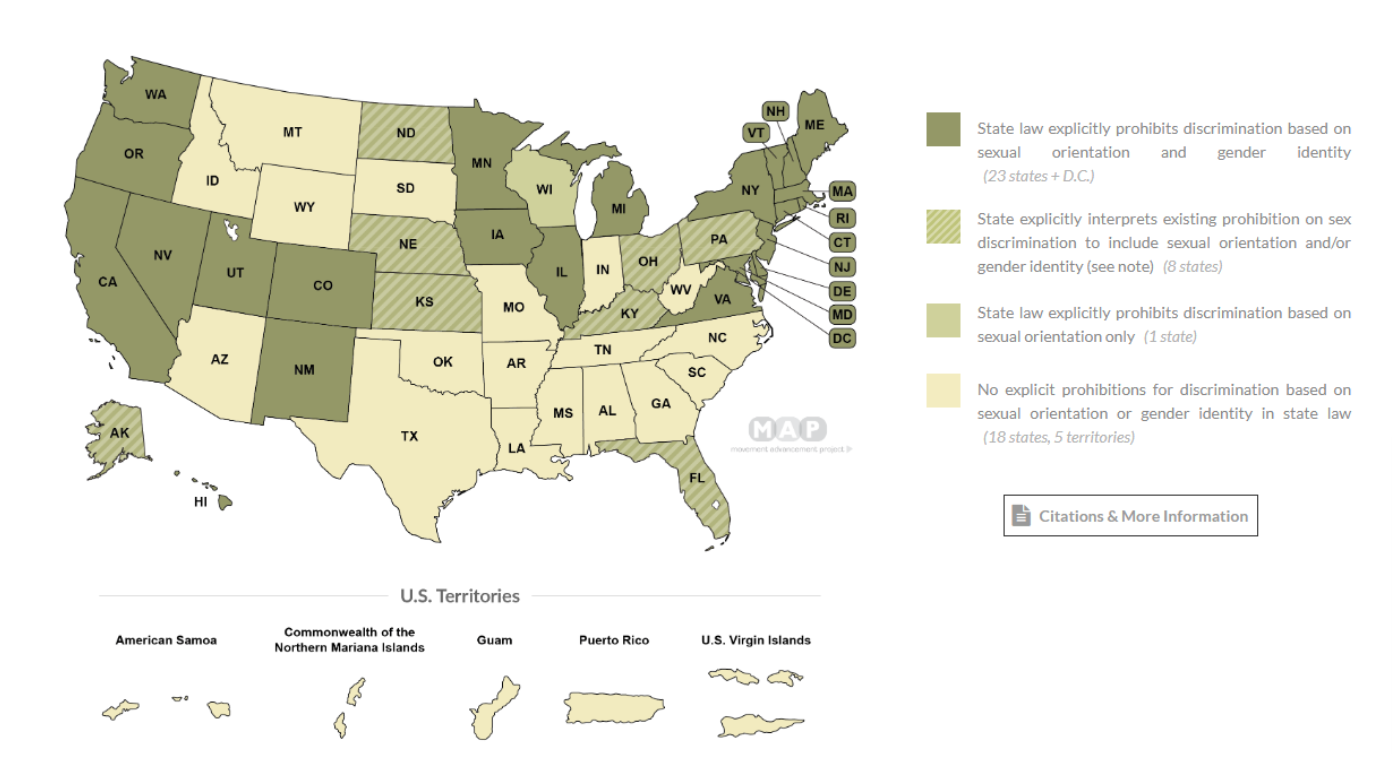 Movement Advancement Project. "Equality Maps: Housing Nondiscrimination Laws." https://www.lgbtmap.org/equality-maps/non_discrimination_laws/housing. Accessed 10/27/2022.
Same-sex couples receiving fewer email or telephonic responses to inquiries on advertising rental units.
Rental agents informing gay or transgender applicants of fewer rental properties available than they do heterosexual or cisgender applicants. They may limit viewings to neighborhoods with a strong LGBTQ presence.
Landlords or rental agents scheduling fewer appointments with transgender persons and same-sex families.
Housing providers charging same-sex married couples a higher application fee than married heterosexual couples.
Landlords raising the rental price for LGBTQ tenants.
You can file a complaint with the Office of Fair Housing and Equal Opportunity (FHEO), an agency within the U.S. Department of Housing and Urban Development.
You can report any incidents of harassment or discrimination to the American Civil Liberties Union (ACLU).
If you live in a state with laws that prohibit discrimination based on gender identity or sexual orientation, lodge a complaint with your local authority. Alternatively, contact a lawyer who specializes in LGBTQ rights in your state.
If you suspect you have been denied a rental application, there may be little or no recourse unless you have clear evidence to the effect.
If your landlord has ended your lease early or you have been wrongly evicted, you can take legal action against them if you can prove you have not breached the terms of your contract.
If your property has suffered damage or acts of vandalism, e.g., graffiti with homophobic messages, there may be little or no recourse if you can’t prove who is responsible. To add insult to injury, your landlord may hold you liable for the damage. It’s advisable to take out renters insurance, which typically covers malicious damage to a rental property and damage or theft of your personal belongings.
If you or any member of your family has received threats or been the victim of homophobic aggression or violence from people in the community, report it to your local police.
About Deevra Norling
Deevra Norling is a freelance content writer. She's covered topics such as entrepreneurship, small business, career, human resources, e-commerce, finance, insurance, travel, and personal development. When not writing, she’s tossing balls on the beach and snuggling up with the four-legged fur babies she looks after as a professional pet sitter.