
Loneliness Negatively Impacts Memory, Especially in Older Age

Loneliness Negatively Impacts Memory, Especially in Older Age
Loneliness can significantly impact health, causing significantly negative effects comparable to well-known risk factors like smoking, lack of physical activity, and obesity, especially in older age. In fact, being lonely has been scientifically proven to notably reduce physical and mental health as well as reduce overall quality of life and life expectancy rates.According to the World Health Organization (WHO), approximately one in 4 older adults experience social isolation at some point in their lifetimes, and between 5% to 15% of adolescents experience loneliness. These issues are an especially extensive issue in Canada, affecting about a third of its population. A recent study from the University of Waterloo revealed that loneliness not only negatively impacts Canadians’ physical and emotional well-being as described above but it can also reduce memory capabilities, which could be particularly detrimental to the country’s aging population as age itself tends to lead to decreased cognitive function.While being lonely is generally associated with being isolated or otherwise living a life of solitude, the feeling itself is actually rather subjective. The circumstances and extent to which an individual feels lonely can vary greatly from person to person and some people still feel it even when surrounded by others. In a room full of people, a person might still feel misunderstood, outcasted, or otherwise different or left out, thus inducing the same negative health effects as being alone for a substantial amount of time.Regardless of where, when, and how loneliness creeps in, however, it has been long been known to lead to depression and elevated stress hormone levels, both of can impair memory. If an individual suffers from chronic depression or has too many things on their plate and remains stuck in ‘fight or flight’ for a prolonged period of time, they may begin to notice their recollection of the past, both short- and long-term, failing. The Waterloo researchers sought to understand the combined, as well as separate, effects of loneliness and social isolation on the memory, targeting middle-aged and older adults over a period of six years.
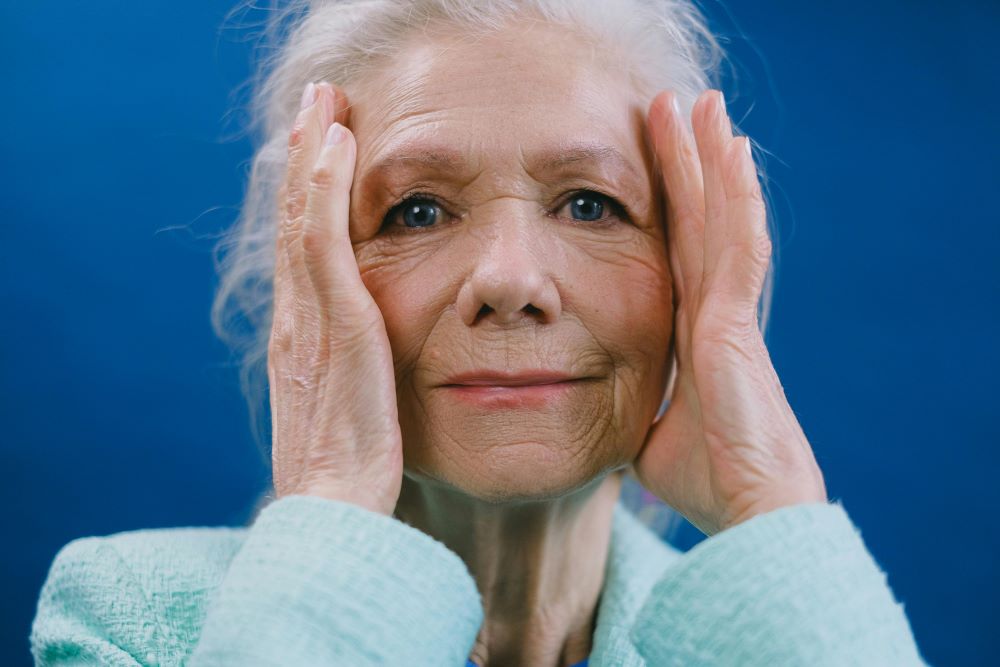 Photo by SHVETS production from Pexels
Sources:
Loneliness can have greater negative impact on memory than social isolationExploring the differential impacts of social isolation, loneliness, and their combination on the memory of an aging population: A 6-year longitudinal study of the CLSA
About Sara E. Teller
Sara is a credited freelance writer, editor, contributor, and essayist, as well as a novelist and poet with nearly twenty years of experience. A seasoned publishing professional, she's worked for newspapers, magazines and book publishers in content digitization, editorial, acquisitions and intellectual property. Sara has been an invited speaker at a Careers in Publishing & Authorship event at Michigan State University and a Reading and Writing Instructor at Sylvan Learning Center. She has an MBA degree with a concentration in Marketing and an MA in Clinical Mental Health Counseling, graduating with a 4.2/4.0 GPA. She is also a member of Chi Sigma Iota and a 2020 recipient of the Donald D. Davis scholarship recognizing social responsibility. Sara is certified in children's book writing, HTML coding and social media marketing. Her fifth book, PTSD: Healing from the Inside Out, was released in September 2019 and is available on Amazon. You can find her others books there, too, including Narcissistic Abuse: A Survival Guide, released in December 2017.