
McDonald's Franchise Owners Settle Employee Compensation Lawsuit
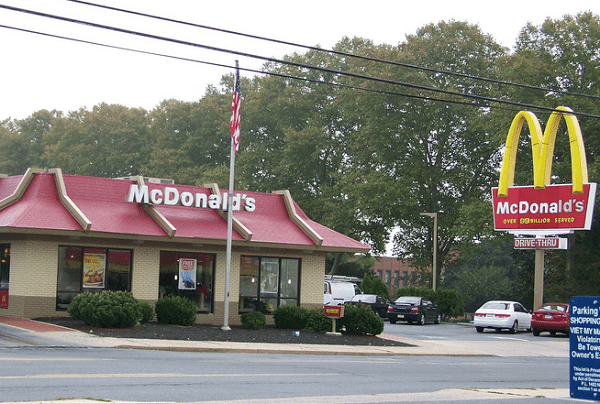
McDonald's Franchise Owners Settle Employee Compensation Lawsuit
Owners of numerous McDonald’s locations in the state of Pennsylvania are settling a claim that they violated state law by paying each hourly employee with fee-based debit cards. Luzerne County Judge Thomas F. Burke Jr. ruled in favor of the plaintiffs back in June 2015 and the state Superior Court upheld his decision. The court found this type of compensation is not “lawful money” or a “check” as Pennsylvania law requires.According to the filing, the J.P. Morgan Chase payroll card given to an employee carried fees for almost every type of transaction, including a $1.50 charge for withdrawing money from an ATM, $5 for over-the-counter cash withdrawals, $1 to check the card’s balance, 75 cents for online bill payment and $10 per month after the card is left inactive for more than three months.The whole case initially began after Natalie Gunshannon sued franchisee couple, Albert and Carol Mueller, four years ago. After she filed a lawsuit, the Muellers began to offer direct deposit and traditional checks as alternatives to the payroll cards.
 Image Courtesy of RSSing.com
Sources:
McDonald's Owners Who Paid Workers With Debit Cards SettleAfter Ruling That McDonald’s Can’t Pay Workers In Bank Cards, The Bank Pays Up
About Sara E. Teller
Sara is a credited freelance writer, editor, contributor, and essayist, as well as a novelist and poet with nearly twenty years of experience. A seasoned publishing professional, she's worked for newspapers, magazines and book publishers in content digitization, editorial, acquisitions and intellectual property. Sara has been an invited speaker at a Careers in Publishing & Authorship event at Michigan State University and a Reading and Writing Instructor at Sylvan Learning Center. She has an MBA degree with a concentration in Marketing and an MA in Clinical Mental Health Counseling, graduating with a 4.2/4.0 GPA. She is also a member of Chi Sigma Iota and a 2020 recipient of the Donald D. Davis scholarship recognizing social responsibility. Sara is certified in children's book writing, HTML coding and social media marketing. Her fifth book, PTSD: Healing from the Inside Out, was released in September 2019 and is available on Amazon. You can find her others books there, too, including Narcissistic Abuse: A Survival Guide, released in December 2017.