Metanalysis Reveals Women Do More Unpaid Work
Metanalysis Reveals Women Do More Unpaid Work
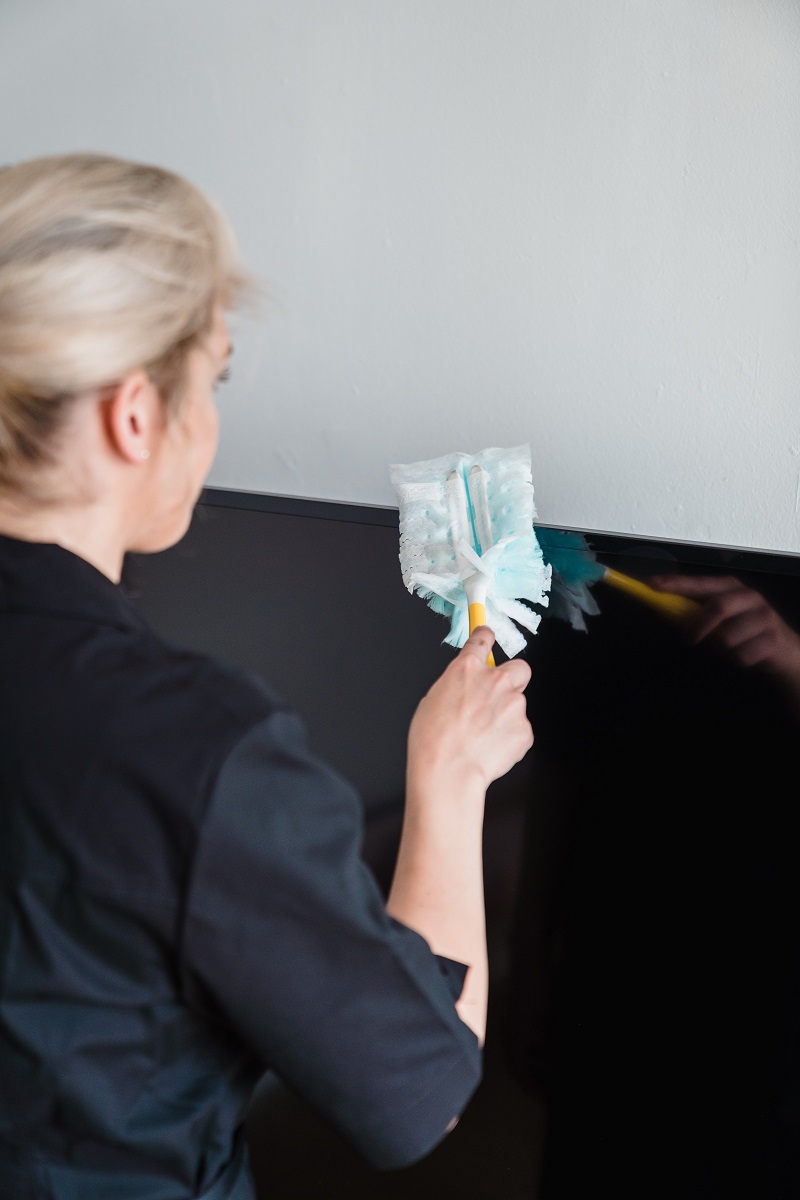
There’s no denying that women work hard doing unpaid tasks around the home. From cooking and cleaning to caring for the kids, women are constantly on the go. And while it’s often taken for granted, the truth is that women’s hard work is essential to keeping the home running smoothly – just maybe not their mental health according to researchers.Among worldwide labor studies, there is a pervasive amount of woman doing more unpaid work than men, according to research. These things include being the primary caregivers for their children, completing housework and homework and participating in caring for elderly family members. And the toll this is taking on their mental health and wellbeing is quite significant. Many women don’t even have the option to work outside of the home as they’re taking on the brunt of this unpaid labor while their significant others are at their places of employment bringing home a paycheck.A meta-analysis of more than 19 studies has now shown that this has taken on a worsening of mental health among women. The analysis covered more than 70,000 people in the studies reviewed. The more of this labor women do, the worse their mental health, found the data published recently in The Lancet Public Health.
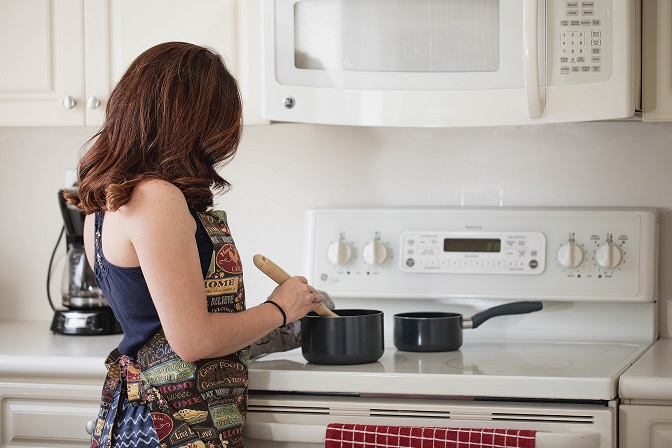 Photo by Joe L from Pexels
Sources:
Why Unpaid Labor Is More Likely to Hurt Women’s Mental Health Than Men’sGender differences in the association between unpaid labour and mental health in employed adults: a systematic review
About Sara E. Teller
Sara is a credited freelance writer, editor, contributor, and essayist, as well as a novelist and poet with nearly twenty years of experience. A seasoned publishing professional, she's worked for newspapers, magazines and book publishers in content digitization, editorial, acquisitions and intellectual property. Sara has been an invited speaker at a Careers in Publishing & Authorship event at Michigan State University and a Reading and Writing Instructor at Sylvan Learning Center. She has an MBA degree with a concentration in Marketing and an MA in Clinical Mental Health Counseling, graduating with a 4.2/4.0 GPA. She is also a member of Chi Sigma Iota and a 2020 recipient of the Donald D. Davis scholarship recognizing social responsibility. Sara is certified in children's book writing, HTML coding and social media marketing. Her fifth book, PTSD: Healing from the Inside Out, was released in September 2019 and is available on Amazon. You can find her others books there, too, including Narcissistic Abuse: A Survival Guide, released in December 2017.