
Modern Peels Achieve What Dermatologists Say is Impossible
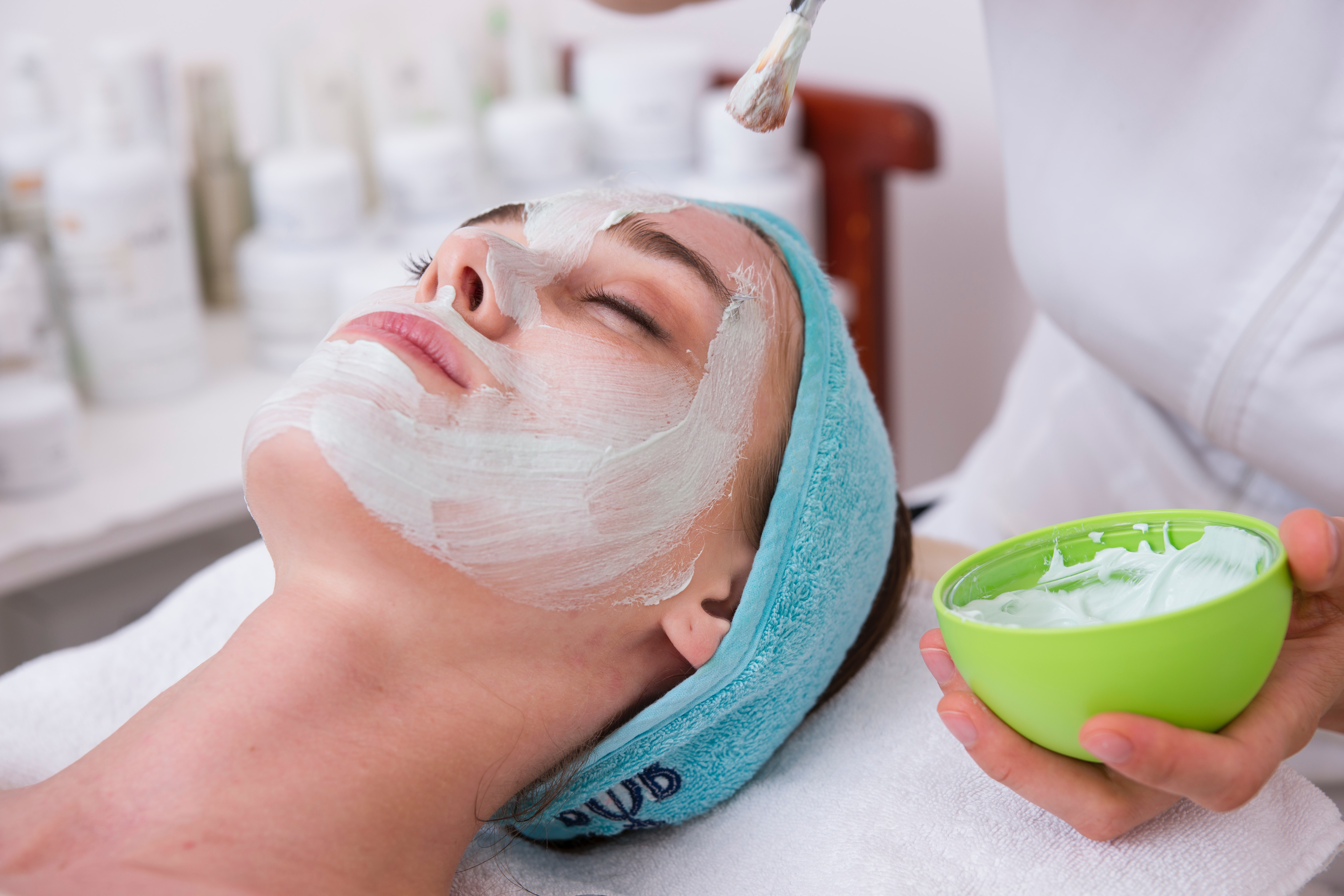
Modern Peels Achieve What Dermatologists Say is Impossible
Dermatologists have told us for years that reclaiming a youthful complexion is a near impossibility. But, of course, we didn’t listen, did we? Thankfully neither have the cosmetics companies. From high-powered dermatologist-applied peels to the more mild at-home versions, chemical exfoliation has come a long way in the last several years. Even better yet, the results have begun to encroach on that realm of impossibility. With reports of shrunken pores, fading lines, and vanishing age spots, peels are gaining popularity with the public and respect in dermatological circles.So what’s in a peel? The common active ingredients you will find are hydroxy acids for chemical and lytic enzymes for enzymatic peeling. The type of acids and their concentration is what determines the aggressiveness of the chemical peeling. Trichloroacetic acid is probably the most intense ingredient you will find. This acid is present in what is called a medium peel and is only available from a licensed dermatologist. Glycolic acid is less harsh than trichloroacetic acid but is still one of the more intense that you will find in a mild peel. More mild than glycolic is lactic acid and the mildest of the common acids is citric. Depending on whether it is an at-home treatment, one applied by a dermatologist, or one at a spa, one of these acids will be the ingredient responsible for the results.In the case of enzymatic peeling, there are different enzymes that break down lipids or proteins eliminating dull or old cells and their remains from the outer layer of the epidermis. There are popular ingredients containing one enzyme, like Zymo Lift MD, or Papain that contains protease that breaks down a protein attaching epidermal cells together. The most advanced ingredients may contain more than one enzyme, like Zymo Clear MD that besides protease contains lipase, destroying lipids. You can try enzymatic peeling at the spa, also it accessible for do-it-yourself at home, but we recommend the usage of ready-to-use formulations like MBR's Enzyme Cleansing Booster.And just what can you expect from a peel? Well, like the packaging says, results may vary, but here is a basic rundown. The purpose of a peel is simply that – to uncover the upper layer or layers of the epidermis to reveal the youthful (and smoother) skin underneath. Mild peels simply remove the dead cells on the top, but a deep enough peel can remove some healthy skin to get to the root of fine lines and wrinkles and an aggressive enough that can even erase age spots and precancerous growths.A mild do-it-yourself chemical peel will give you short-term results lasting a few days, including softer, more supple skin and diminished appearance of pores and lines. The good news is that even though the effects are short-lived, these peels are mild enough to be applied up to three times a week. Look for acid concentrations around the 10% level for safe at-home application. Your skin may be irritated and slightly sensitive immediately after it but should return to normal within a few hours.
 Image by Humphrey Muleba, via Unsplash.com.

About Ruben Harutyunyan
Advanced SEO specialist working with clients from the USA, UK, and Russia. My hobby is writing about health, skincare, and sexual education. I love football and am a big fan of Arsenal FC.