Most Americans Aren't Getting the Opioid Treatment They Need
Most Americans Aren't Getting the Opioid Treatment They Need
Recent studies show that 80% of Americans with addiction do not receive effective opioid treatment options that would help their recovery. And, because of this, the nationwide epidemic is likely to stick around for the foreseeable future.This issue is one of the factors discussed in a report that was published in the Journal of the American Medical Association (JAMA) on earlier this month. The results are concerning because they show that just one-fifth of people with opioid use disorders can access cutting-edge therapies like methadone, buprenorphine, or extended-release naltrexone. Even though these medications have undergone extensive research and be both effective and safe, many doctors seem reluctant to recommend them.The study's co-author and director of the National Institute on Drug Abuse (NIDA), Dr. Nora Volkow, highlighted the negative consequences of this deficiency. Denying people access to adequate, life-preserving therapies, she said, "has catastrophic consequences for those who miss out on science-backed care."
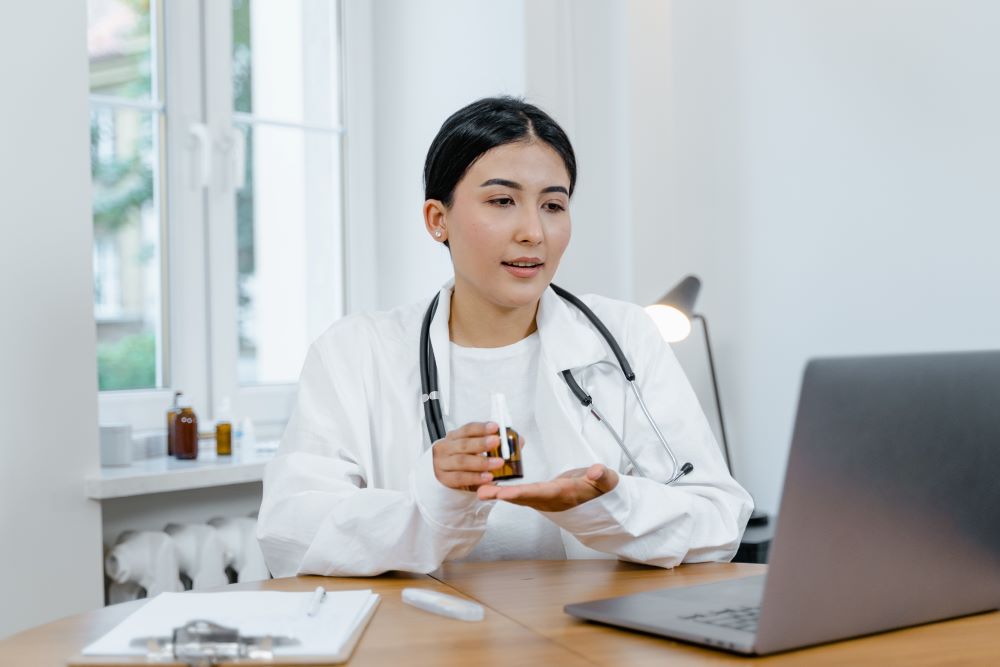
 Photo by Tima Miroshnichenko from Pexels
Sources:
Only 1 in 5 people with opioid addiction get the medications to treat it, study findsEffective Treatments for Opioid AddictionLowering the Barriers to Medication Treatment for People with Opioid Use Disorder
About Sara E. Teller
Sara is a credited freelance writer, editor, contributor, and essayist, as well as a novelist and poet with nearly twenty years of experience. A seasoned publishing professional, she's worked for newspapers, magazines and book publishers in content digitization, editorial, acquisitions and intellectual property. Sara has been an invited speaker at a Careers in Publishing & Authorship event at Michigan State University and a Reading and Writing Instructor at Sylvan Learning Center. She has an MBA degree with a concentration in Marketing and an MA in Clinical Mental Health Counseling, graduating with a 4.2/4.0 GPA. She is also a member of Chi Sigma Iota and a 2020 recipient of the Donald D. Davis scholarship recognizing social responsibility. Sara is certified in children's book writing, HTML coding and social media marketing. Her fifth book, PTSD: Healing from the Inside Out, was released in September 2019 and is available on Amazon. You can find her others books there, too, including Narcissistic Abuse: A Survival Guide, released in December 2017.