
Mushroom Mycelium Could be Used to Cover Computer Microchips
Mushroom Mycelium Could be Used to Cover Computer Microchips
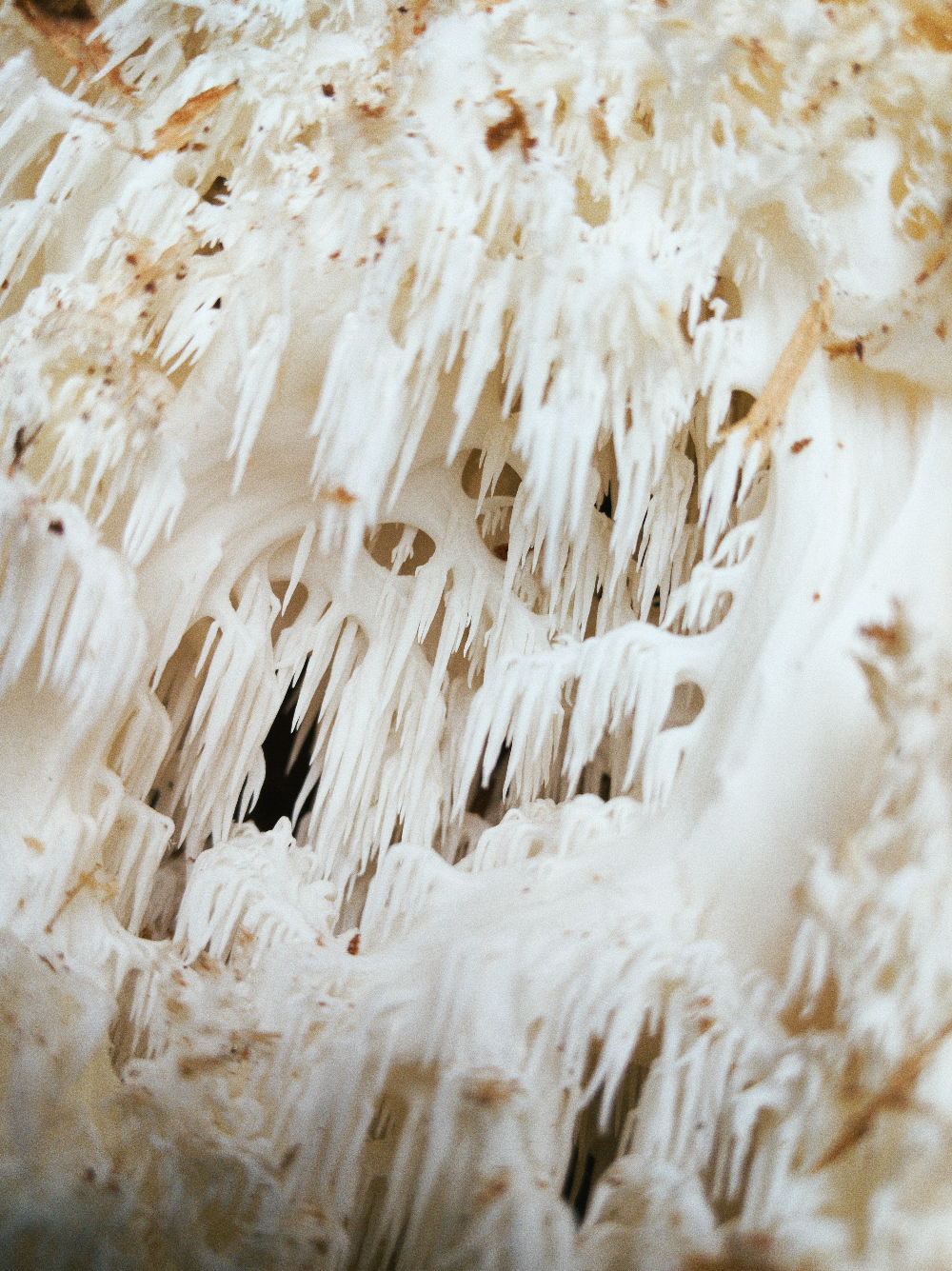
Mushrooms have been quite popular as of late with U.S. states gradually approving psychedelics for therapeutic use. Oregon became the first state, followed by Colorado, and others are sure to follow. However, this isn't the only exciting news emerging for mushrooms. Now, scientists are saying that the skin and legs of a certain type of fungi could possibly cover and provide a sustainable replacement for insulative substrates in computing chips. This is exciting news for environmentalists and others who are always looking for ways to reduce waste and pollution as computers continue to be mass produced.Scientists are hoping that this biodegradable alternative can be inserted into common components like a computer microchip, eventually replacing unsustainable cover options. They've found that "peeling the skin off the mycelium of the mushroom can protect chips from heat up to 392°F (200°C.)," the team, from Johannes Kepler University in Austria, wrote.Once it’s dried out, the skin is not only heat resistant, but able to last for years to come. Moreover, it can hold up despite being bent and folded thousands of times.
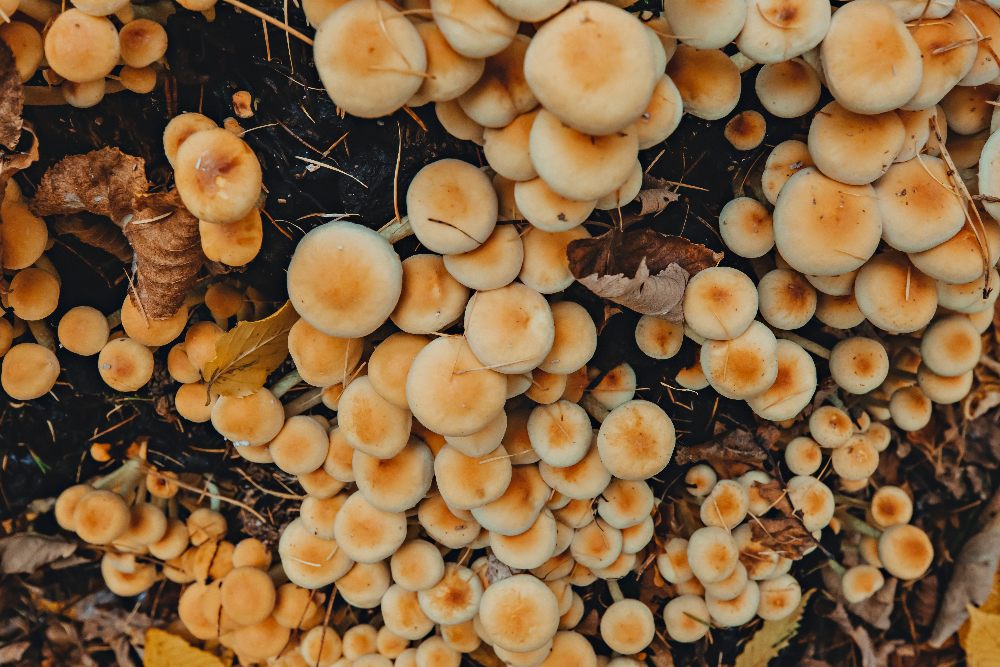 Photo by Julia Filirovska from Pexels
Sources:
Scientists Have Used Mushrooms to Make Biodegradable Computer Chip PartsMycelioTronics: Fungal mycelium skin for sustainable electronics
About Sara E. Teller
Sara is a credited freelance writer, editor, contributor, and essayist, as well as a novelist and poet with nearly twenty years of experience. A seasoned publishing professional, she's worked for newspapers, magazines and book publishers in content digitization, editorial, acquisitions and intellectual property. Sara has been an invited speaker at a Careers in Publishing & Authorship event at Michigan State University and a Reading and Writing Instructor at Sylvan Learning Center. She has an MBA degree with a concentration in Marketing and an MA in Clinical Mental Health Counseling, graduating with a 4.2/4.0 GPA. She is also a member of Chi Sigma Iota and a 2020 recipient of the Donald D. Davis scholarship recognizing social responsibility. Sara is certified in children's book writing, HTML coding and social media marketing. Her fifth book, PTSD: Healing from the Inside Out, was released in September 2019 and is available on Amazon. You can find her others books there, too, including Narcissistic Abuse: A Survival Guide, released in December 2017.