
Navigating Challenges in Supply Chain Automation Implementation

Navigating Challenges in Supply Chain Automation Implementation
With the global supply chain's growing complexity, businesses increasingly turn to automation and artificial intelligence (AI) to enhance efficiency, manage risks, and maintain competitive advantage. However, this transition comes with its own challenges, from selecting the right technology partners to ensuring the workforce adapts to new operational paradigms.This article delves into the intricacies of these obstacles and offers guidance on navigating the complex terrain of supply chain automation implementation.Understanding the TerrainSupply chain automation involves deploying technology to manage and coordinate the flow of goods from suppliers to customers with minimal human intervention. This encompasses many technologies, including robotics, artificial intelligence (AI), machine learning, the Internet of Things (IoT), and vertical storage systems. While the benefits are substantial, organizations face significant hurdles in the journey toward automation:#1 Technological IntegrationIntegrating new technologies into existing systems presents a formidable barrier to companies eager to embrace supply chain automation. Many organizations rely on outdated legacy systems, which were not engineered with the flexibility to incorporate modern automation technologies such as AI, IoT, or robotics. Upgrading or replacing these legacy systems to accommodate new technologies is an expensive and complex process that can disrupt ongoing operations. It demands significant investments in hardware and software and comprehensive training for staff to operate the new systems effectively. The challenge lies in balancing the need for technological advancement with the practicalities of cost, time, and operational continuity.#2 Skill Gaps and Workforce TransitionThe transition towards a more automated supply chain environment underscores the need for a workforce proficient in technology and data analysis. Despite the growing demand for such skills, the labor market currently exhibits a pronounced gap, with a shortage of workers equipped to manage and maintain sophisticated automated systems. This skill gap hampers companies' efforts to fully leverage the benefits of automation. Transitioning the existing workforce to adapt to new, technologically advanced roles within the supply chain further compounds the challenge, requiring substantial investments in training and development programs. Companies must navigate these waters carefully, fostering an environment of continuous learning and adaptation to bridge the skill gap and ensure a smooth transition for their workforce.Cost and InvestmentThe financial hurdles associated with implementing automation technologies in the supply chain are significant, particularly for small to medium-sized enterprises (SMEs). The initial outlay for purchasing state-of-the-art robotics, artificial intelligence systems, and other automation technologies can be daunting, making it a prohibitive venture for many. Furthermore, the return on this substantial investment is not immediate and can vary greatly depending on the types of technologies adopted and the efficiency with which they are implemented. This variability adds an element of financial risk to the investment, requiring companies to conduct thorough cost-benefit analyses to ascertain the potential ROI. Navigating these financial challenges requires strategic planning and may necessitate seeking external funding or innovative financial solutions to make automation a viable option.#4 Data Security and PrivacyThe advent of automation technologies has amplified the risks of cyber-attacks and data breaches, making protecting sensitive information and the integrity of automated systems essential.Implementing robust cybersecurity measures introduces additional complexity and expense, yet it is essential for safeguarding against potential threats. To mitigate these risks, businesses must invest in advanced security protocols, employee training on best practices, and continuous monitoring of their systems. Balancing the drive towards automation with the imperative of data security presents a nuanced challenge, requiring vigilant and ongoing efforts to protect against evolving cyber threats.#5 Aligning Automation with Organizational GoalsAutomation efforts must be in harmony with the organization's broader aims, not just adopted for their innovative appeal. Strategic alignment ensures that automation supports long-term goals, improves efficiency, and delivers value that aligns with the company’s mission and vision. This approach helps make informed decisions about which technologies to invest in, ensuring they contribute positively to the company's objectives and growth strategy. Misalignment, on the other hand, can lead to wasteful investments and missed opportunities for genuine improvement.#6 Safety and Workforce AdaptationAddressing safety concerns and potential job displacement is critical in gaining employee buy-in for automation projects. By implementing rigorous safety protocols and clearly communicating how automation can lead to the creation of new roles, companies can mitigate fear and resistance among their workforce. This proactive engagement helps transition employees to work alongside automated systems or in new roles that automation cannot fulfill, fostering a culture of innovation and adaptability. Ensuring employees feel secure and valued is key to successfully adopting automation technologies.Charting a Course Through the ChallengesDespite these obstacles, companies can successfully implement supply chain automation using a strategic and measured approach.
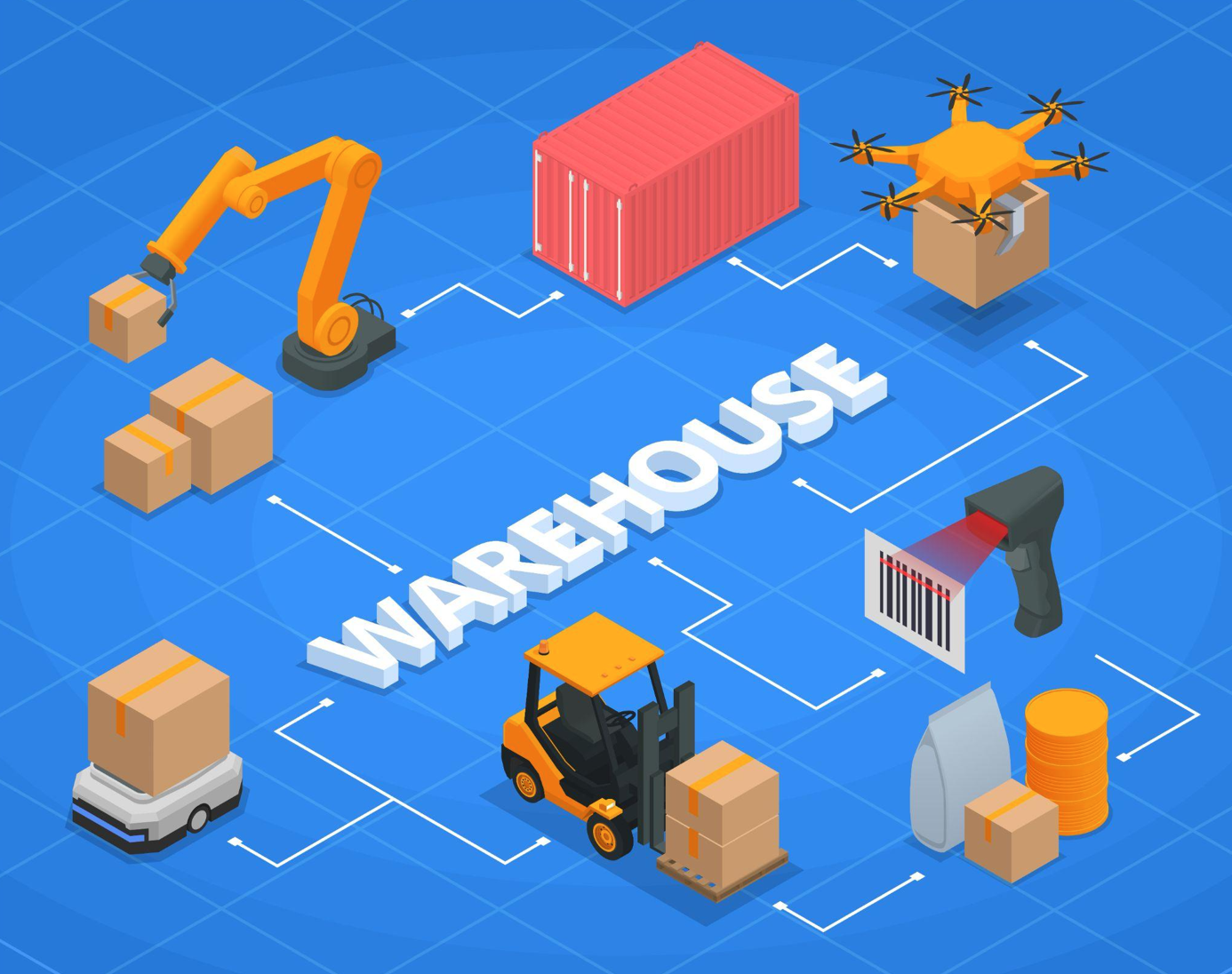 Graphic depicting automated warehouse with autonomous scanning, moving boxes, and drone delivery; image by Macrovector, via Freepik.com.

About Travis Dillard
Travis Dillard is a business consultant and an organizational psychologist based in Arlington, Texas. Passionate about marketing, social networks, and business in general. In his spare time, he writes a lot about new business strategies and digital marketing for Mirror Solutions Group.