No Matter How Steps Are Tracked, Any Method Helps
No Matter How Steps Are Tracked, Any Method Helps
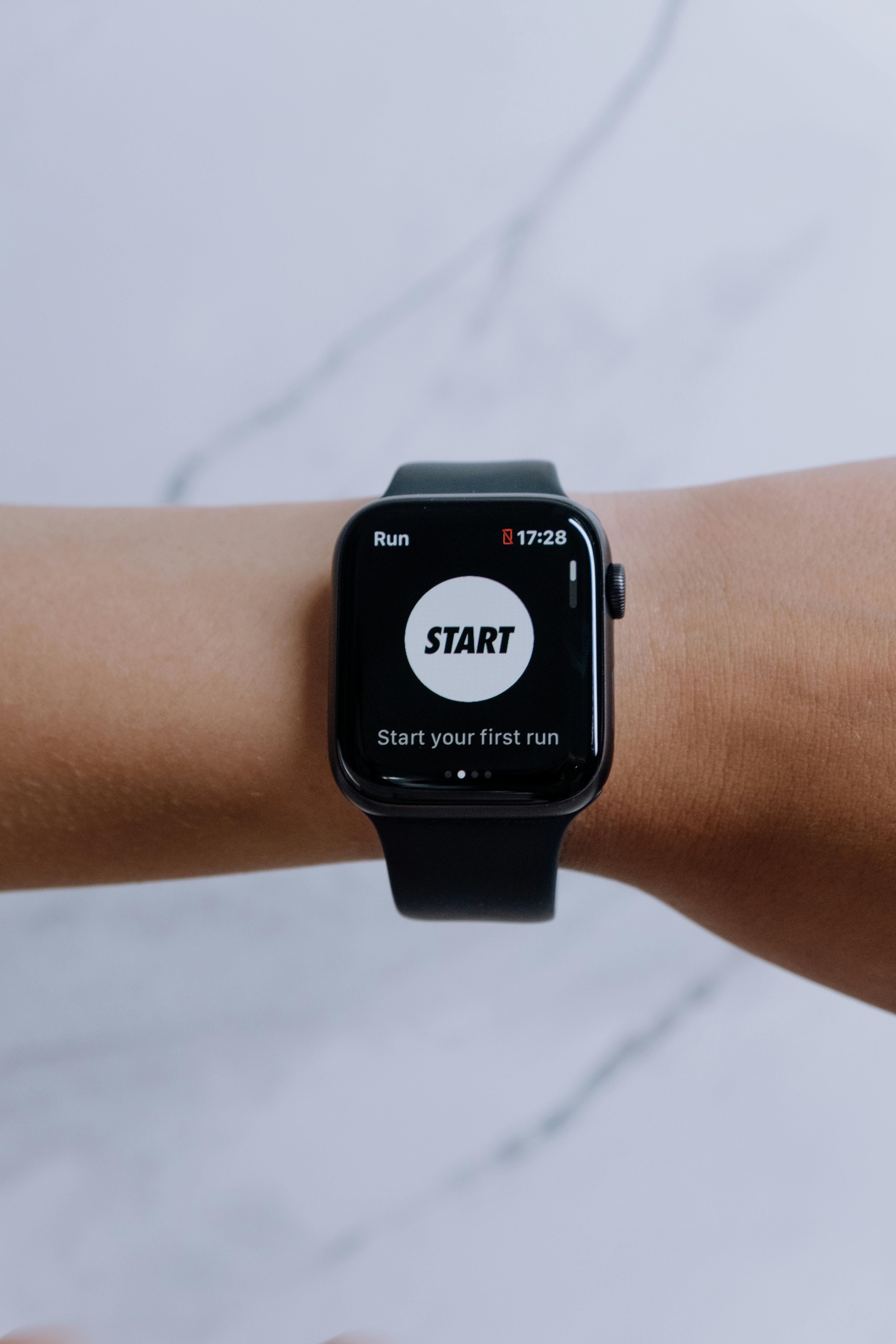
People living in today’s modern world have become incredibly sedentary. It would be easy to argue that humans have never moved less than they do today, which is why tools like step trackers have become so popular. These devices offer a reliable method for people keep track of how much they are moving, so they can notice when they haven’t been getting a lot of activity and can jump into action to stay healthy.Within this realm, however, there has been some debate about how to track activity and which techniques are better. Should people be counting their steps? Or maybe tracking activity by the number of minutes they are in motion? According to a new study, it really doesn’t matter.According to a report in the JAMA Internal Medicine journal, there is an equal association of things like reduced risk of premature death and heart disease among groups that counted steps as compared to groups that counted minutes. Within the study, more than 14,000 women were used for data, as they had agreed to participate in the national Women’s Health Study. All of these individuals were 62 years of age and older. The data that was used came from a four-year period from 2011 to 2015.
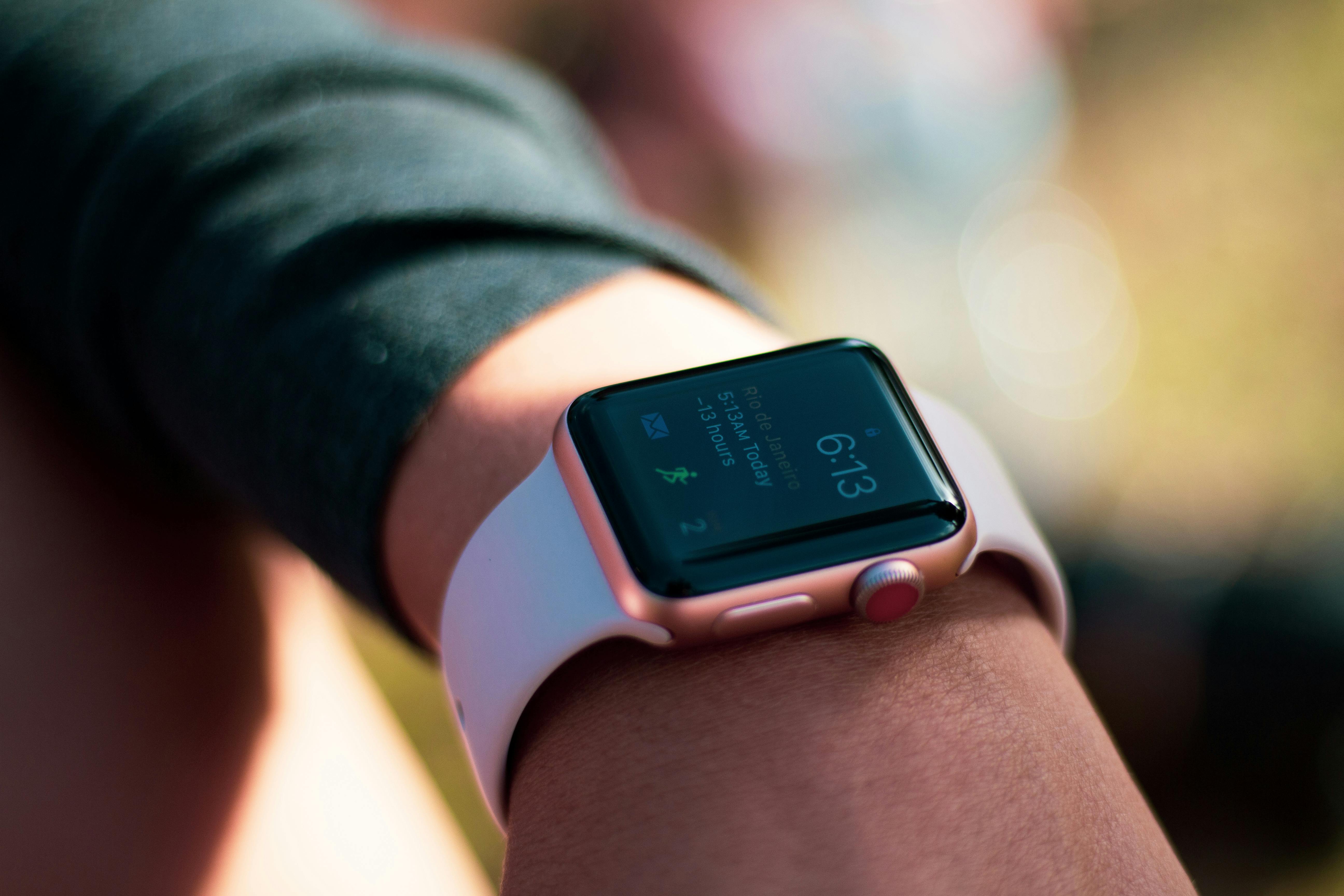 Photo by Ingo Joseph from Pexels
Sources:
Tracking Exercise by Steps or Minutes? Study Finds Either Method Boosts HealthTracking Physical Activity One Step at a Time4 Benefits of Fitness Trackers
About Sara E. Teller
Sara is a credited freelance writer, editor, contributor, and essayist, as well as a novelist and poet with nearly twenty years of experience. A seasoned publishing professional, she's worked for newspapers, magazines and book publishers in content digitization, editorial, acquisitions and intellectual property. Sara has been an invited speaker at a Careers in Publishing & Authorship event at Michigan State University and a Reading and Writing Instructor at Sylvan Learning Center. She has an MBA degree with a concentration in Marketing and an MA in Clinical Mental Health Counseling, graduating with a 4.2/4.0 GPA. She is also a member of Chi Sigma Iota and a 2020 recipient of the Donald D. Davis scholarship recognizing social responsibility. Sara is certified in children's book writing, HTML coding and social media marketing. Her fifth book, PTSD: Healing from the Inside Out, was released in September 2019 and is available on Amazon. You can find her others books there, too, including Narcissistic Abuse: A Survival Guide, released in December 2017.