Ohio Identifies Reasons for Not Recognizing Holographic Wills

Ohio Identifies Reasons for Not Recognizing Holographic Wills
The state of Ohio does not recognize holographic wills. A holographic will is one written in the testator’s handwriting but not signed by any witness. A Last Will and Testament is important for the purposes of explaining where and how an individual would like their assets divided, debts resolved and end of life issues outlined because they are very personal matters. Columbus estate planning lawyers guide clients to make sure a will contains the legally necessary language so a person’s wishes can be honored at the time of their death according to Ohio and federal laws. The reliability of a holographic wills are challenging so not recognized by the law, and Ohio estate planning lawyers can assist surviving loved ones and beneficiaries to develop a legally binding last will document as part of their estate planning. Challenges to holographic will documents
Original intent. While a testator may know what is meant by certain abbreviations or details included in a written document, those reviewing the will may misinterpret or not understand the intended meaning. A holographic will can also be ambiguous in certain situations when describing beneficiaries with endearing terms and not names.
Estate dispensation. Testators may forget to include details about what to do their total assets. Attorneys-drafted wills commonly include a residuary clause, which leaves any assets not included in the will to a specific person.
Outdated document. While certain assets may be property owned by a testator when they write a will, they may not be the owners of certain property or assets at the time of their death. In such cases, beneficiaries may not inherit anything.
Absence of named executor. Appointing someone to conduct a testator’s wishes is important, but some individuals fail to name a person to oversee this task.
Specific considerations absent. It is wise to seek consultation with an attorney because they have a firm understanding of the state and federal laws that may impact estates, as well as how to advise specific clients on important document specifics that focus on executors, guardians, client-focused clauses, trusts for beneficiaries, etc.
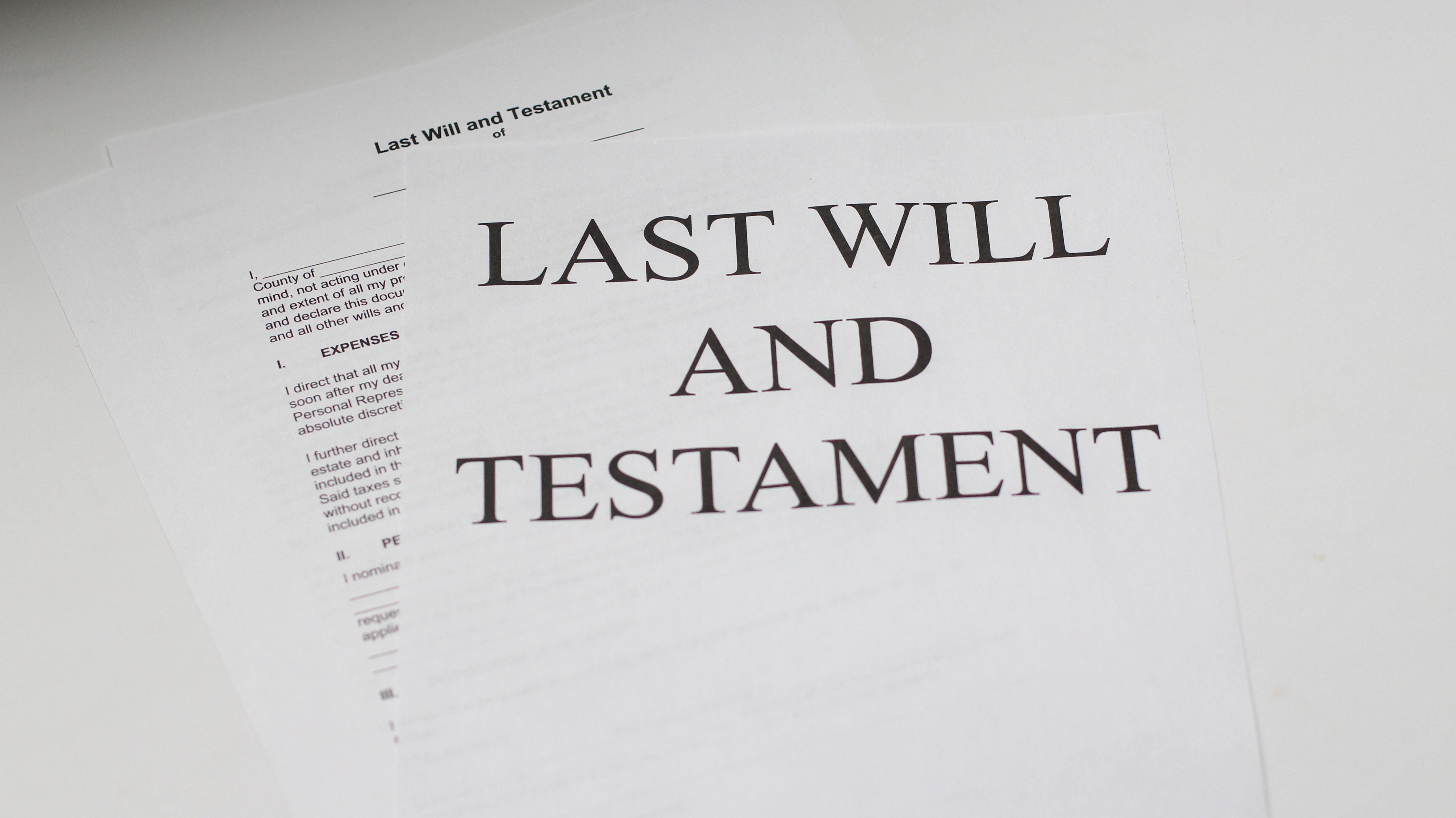 Paper saying "Last Will And Testament;" image by Melinda Gimpel, via Unsplash.com.
About Peter Charles
Having graduated from Saint John’s University in 1993, Peter Charles, Chief Operating Officer, brings a dynamic 28-year sales career reflecting pioneering experience and record-breaking performance in the computer and internet industries. He remains on the industry’s cutting-edge, driving new business through key accounts and establishing strategic partnerships and dealer relationships to increase channel revenue. He is currently focused on providing multiple revenue streams for USAttorneys.com. He can be reached at 800-672-3103.