
On the Road to Compliance: Legal Guidelines for Buying Electric Scooters
On the Road to Compliance: Legal Guidelines for Buying Electric Scooters
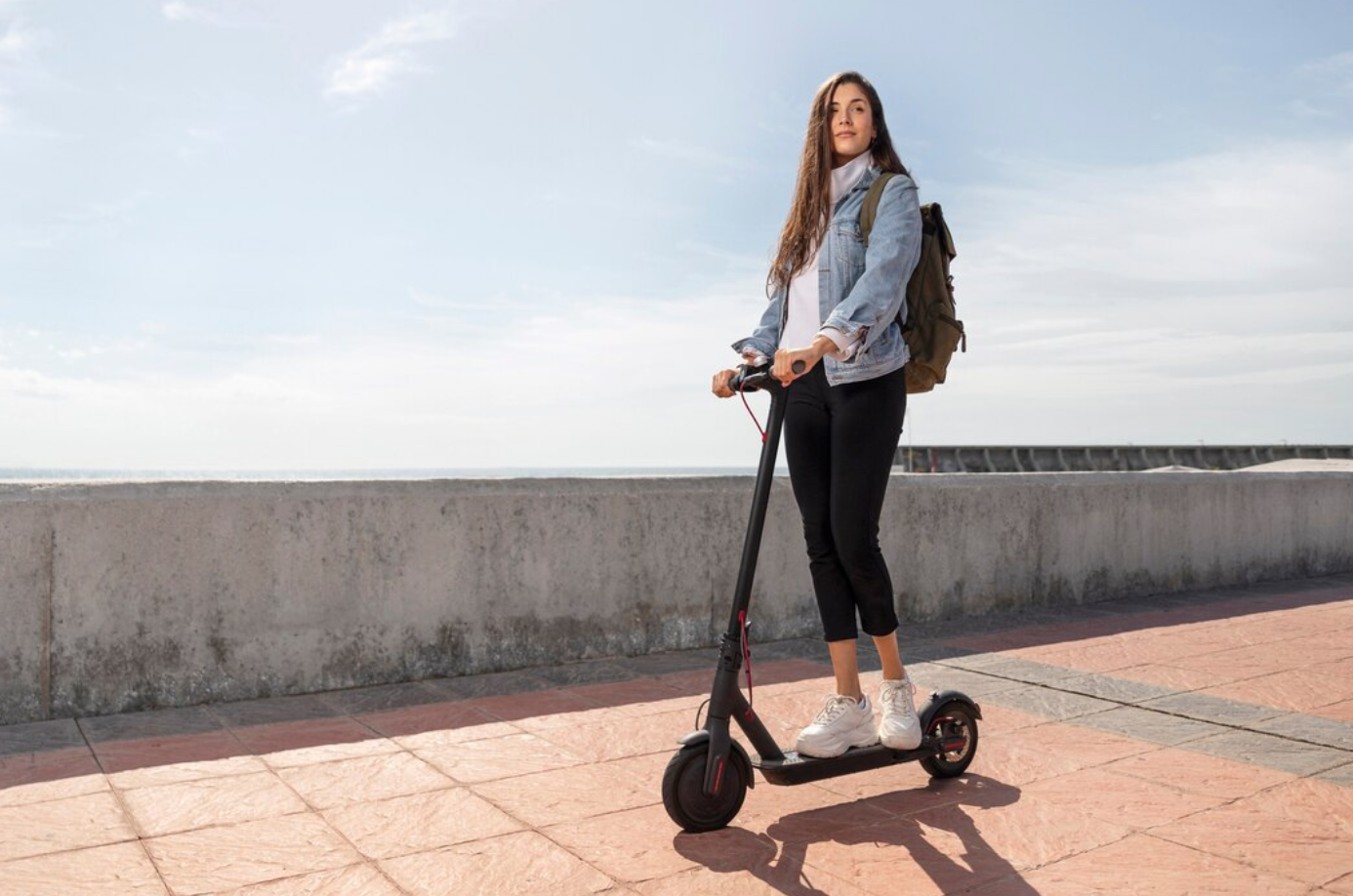
Electric scooters have garnered significant attention in the recent past, particularly among urban dwellers. They have become the preferred mode of transportation for millions in several cities worldwide. They provide incredible convenience, allowing riders to quickly navigate crowded streets and narrow alleys. Electric scooters are also a favorite mode of transportation for people that are passionate about environmental conservation. Since they’re powered by rechargeable batteries rather than petroleum products, e-scooters cause minimal pollution. But unknown to many, electric scooters are often subjected to certain regulations. This post will examine the common legal guidelines to consider before purchasing an e-scooter.1. There’s An Age Limit for Operating Electric ScootersAnyone can own an electric scooter in most countries. But there are restrictions on the minimum age limit for e-scooter riders. Most U.S. states require electric scooters users to be 16 years or older. That’s regardless of where you intend to cruise on the motorcycle - whether in bustling streets or private neighborhoods. There are a few exceptions to this rule. In some states, e-scooter laws allow users as young as 14 or even 12 years to cruise on these motorcycles. Note that minors are generally exempted from liability arising from electric scooter usage. Any accidents or misconduct are imputed to the driver’s parents or legal guardians. 2. Some States May Require a License to Ride an Electric ScooterMany countries and states do not require electric scooter users to have a driving license. However, the same may be necessary depending on your local e-scooter laws. In most U.S. states where a license is mandatory to ride an electric scooter, a standard driver’s license (Class C license) would suffice. Some states may also require electric scooter users to possess a special permit rather than a license. Again, the trick is to check with your local laws to ensure total compliance.3. Insurance Is Mandatory In Most StatesInsurance is another important document required of electric scooter riders in most U.S. states. Insurance guards against e-scooter theft or damage by other road users. It also absolves you from responsibility in the event of accidents, consequently entitling you to free repairs and replacements. Even if it’s optional in your state, having valid scooter insurance is important. Insist on liability insurance if you frequently lease your scooter or leave it in public parking lots. 4. A Helmet Isn’t Mandatory but Highly RecommendedRiding an electric scooter at high speeds without a helmet on can endanger your life and that of other road users. Interestingly, most states don’t have a helmet as a mandatory requirement for e-scooter riders, leaving it to personal discretion. But in the interest of everyone’s safety, a helmet is highly encouraged for both an e-scooter driver and any passenger. A helmet minimizes impact to the skull in the event of a crash.5. Some Pavements Are out Of Bounds for E-scooter UsersElectric scooter riders must stay on bike paths and streets in most states. They aren’t allowed on sidewalks. Even if not necessarily prohibited in your state, riding an e-scooter on sidewalks can endanger the safety of other road users. Avoid such paths unless occasionally when trying to avoid traffic snarl-ups. Note that these laws apply both to personally owned and rideshare e-scooters.6. There’s A Speed Limit to ObserveSpeed thrills, right?
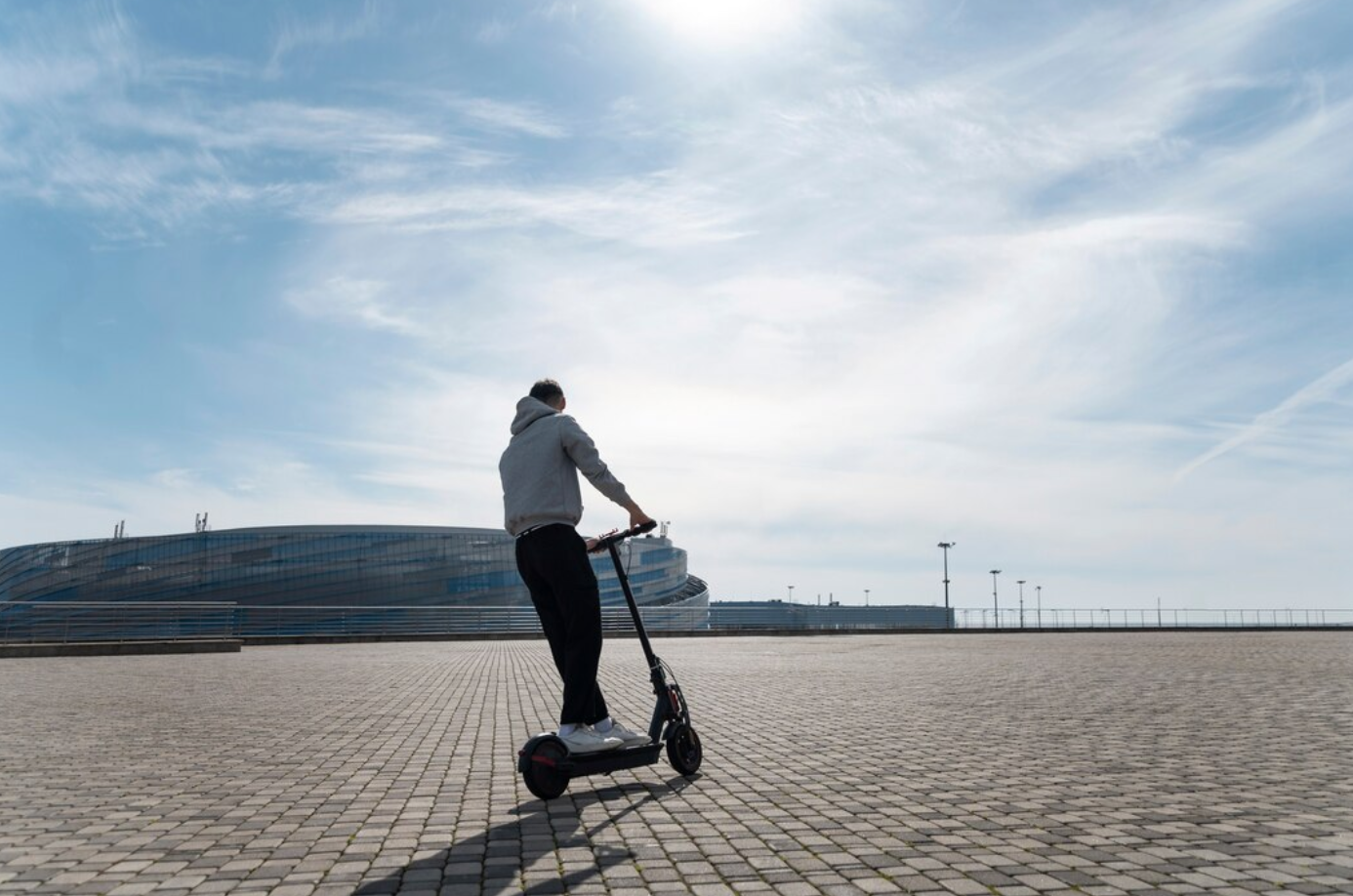 Man on scooter; image by Freepik, via Freepik.com.
About Crystal M. Wilson
Crystal M. Wilson is a full-time content marketing specialist. She has been closely following the cannabis skincare and edibles industry trends for quite some time. She has dabbled in various domains before the cannabis industry. On her off days, she likes to spend her time at the nearest animal shelter, lift weights or be nose deep in a book.