Pillars of Justice: The Importance of Whistleblower Laws

Pillars of Justice: The Importance of Whistleblower Laws
Whistleblowers are a vital source of accountability and transparency within the intricate webs of government and corporate bureaucracy. These people are essential in exposing fraud, corruption, and wrongdoing since they frequently jeopardize their personal safety and careers in the process. The cornerstone of these brave people's legal protection and encouragement is provided by whistleblower laws, which make sure that justice is done and the truth comes to light. This article examines the importance of whistleblower laws and how they can protect integrity, encourage responsibility, and develop a culture of moral behaviour.Upholding Integrity in Corporate and Government SectorsWhistleblower laws play a crucial role in maintaining integrity in the public and corporate domains. These rules enable employees and insiders to come out without fear of retaliation by offering avenues for reporting malfeasance and legal protections. At Bothwell Law Group whistleblowers can be at peace as they’ve operated as watchdogs, holding organizations responsible for their acts, whether they are revealing financial fraud, environmental infractions, or threats to public health.Promoting Accountability and TransparencyWhistleblower laws are based on the accountability principle. By establishing a structure that encourages people to come forward when they see wrongdoing, these rules serve to prevent misconduct and guarantee that those who commit it are held accountable. Retaining trust in government agencies and organizations requires transparency. Protections for whistleblowers make it easier to reveal information that might otherwise stay secret, enabling in-depth investigations and remedial measures.Fostering Ethical Conduct and Organizational CultureIn addition to addressing specific instances of wrongdoing, whistleblower laws also influence corporate culture. An environment of accountability and moral behaviour is promoted from the top down when staff members feel comfortable reporting unethical activity. Long-term success is more likely for organizations that put honesty and transparency first because they gain the respect and trust of stakeholders, clients, and the general public.Ensuring Fairness and Justice
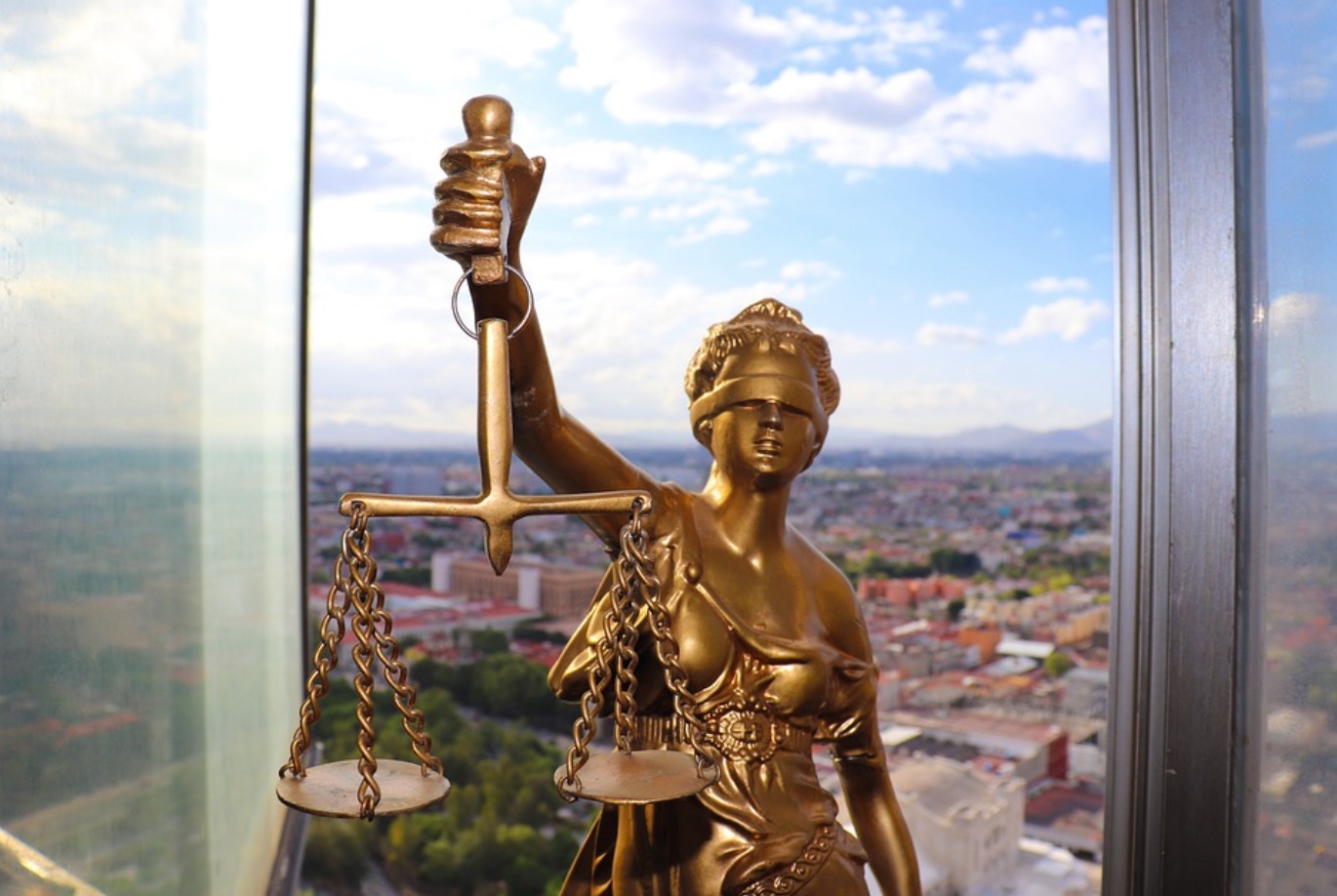 Lady Justice; image by Ezequiel_Octaviano, via Pixabay.com.
According to the U.S. Securities and Exchange Commission (SEC), whistleblowers have contributed significantly to uncovering financial misconduct, resulting in over $2.7 billion in monetary sanctions since the inception of the SEC whistleblower program in 2011.
A study by the University of Notre Dame found that companies with strong whistleblower policies in place were less likely to engage in financial misreporting.
The False Claims Act, a key piece of legislation in the United States aimed at combating fraud against the government, has recovered over $62 billion since its amendment in 1986, with a significant portion attributed to whistleblower-initiated cases.
Whistleblower protections vary across countries, with some nations offering comprehensive legal frameworks, while others have limited or nonexistent protections. The strength of whistleblower laws often correlates with levels of transparency and integrity within a society.
About Louise Marie
Louise shares a passion for creative writing, and enjoys being detail-oriented in her work. Working as an SEO specialist and copy editor has increased her ability to meet new challenges with an open mind. A degree in Industrial Technology (Major in Computer Technology) also made Louise “tech savvy,” and she prides herself on her ability to recognize the latest trends and technologies in the digital industry. She hopes to someday visit many of the best dessert places across the globe. She’s also a proud “parent” to six beautiful cats.