Post-Pandemic Surge in Medication Use Amidst a Mental Health Crisis
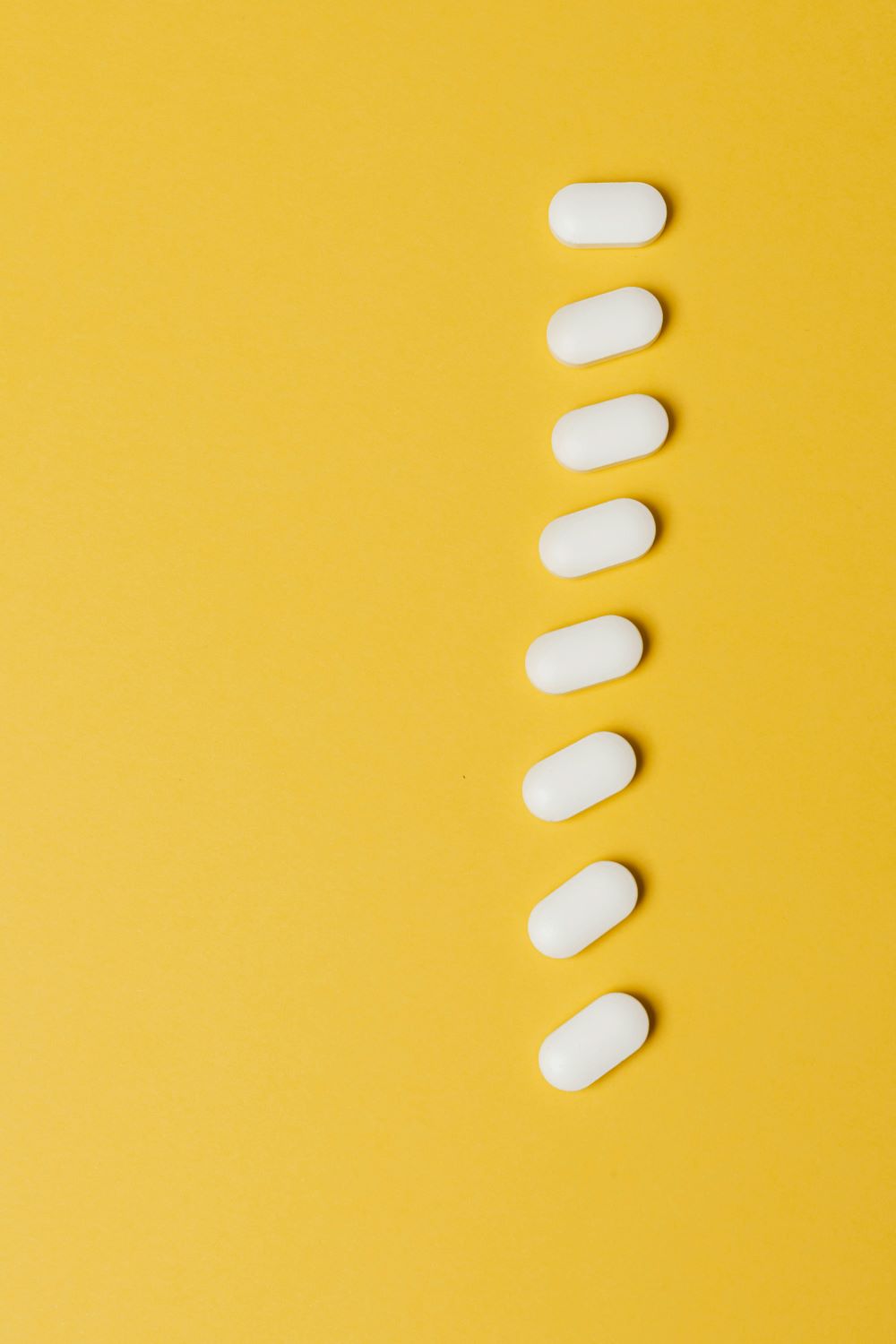
Post-Pandemic Surge in Medication Use Amidst a Mental Health Crisis
The aftermath of the COVID-19 pandemic has unleashed a surge in mental health challenges, compelling individuals to seek treatment and medication at unprecedented rates. As society struggled during the pandemic, isolation, loss, and adversity pushed many to the brink, igniting a mental health crisis of profound proportions.A recent analysis of Medicaid data sheds light on the escalating demand for mental health treatment and medication. The data reveals a notable increase in mental health-related prescriptions, surpassing the growth rate of overall prescriptions. This surge highlights the profound impact of the pandemic on mental well-being, as individuals struggled with heightened levels of anxiety, depression, and emotional distress.The analysis further highlights a significant rise in prescriptions for psychiatric drugs, including antidepressants and ADHD medications. The relentless toll of the pandemic, coupled with heightened awareness of mental health issues, has propelled a growing number of individuals to seek pharmaceutical interventions to alleviate their symptoms and regain stability.The story of Tamalyn Paredes, a 43-year-old addiction counselor, epitomizes the struggles and triumphs of individuals caught up in the difficult terrain of mental health. Battling depression and suicidal thoughts exacerbated by hormonal imbalances, Paredes focused on self-discovery and healing.
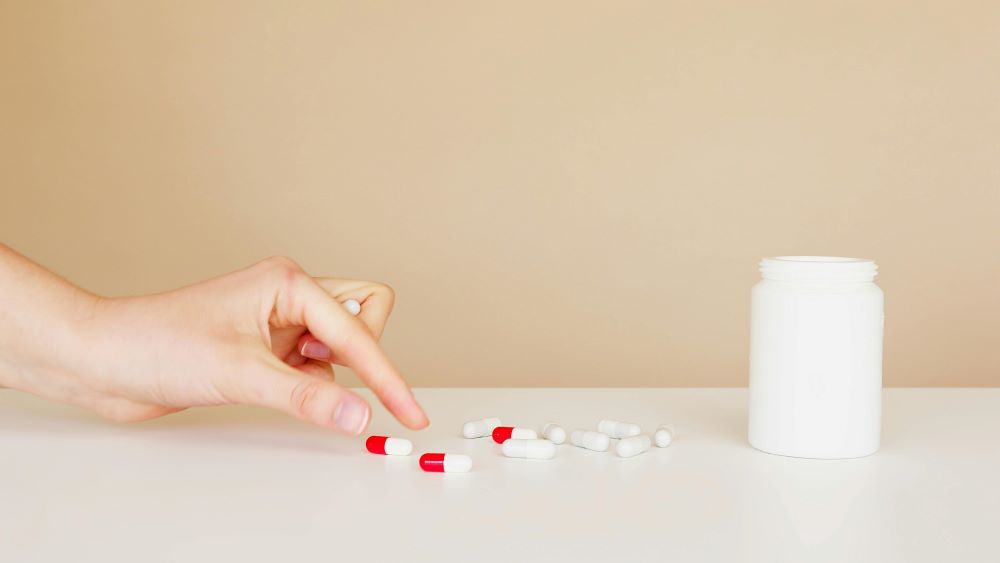 Photo by Artem Podrez from Pexels
Sources:
Mental health crisis fuels the post-pandemic rise in medication use
Anxiety and DepressionProvisional Drug Overdose Death CountsNew Surgeon General Advisory Raises Alarm about the Devastating Impact of the Epidemic of Loneliness and Isolation in the United StatesNew Treatment OptionsOffice of Generic Drugs 2022 Annual ReportState Drug Utilization Data 2022
About Sara E. Teller
Sara is a credited freelance writer, editor, contributor, and essayist, as well as a novelist and poet with nearly twenty years of experience. A seasoned publishing professional, she's worked for newspapers, magazines and book publishers in content digitization, editorial, acquisitions and intellectual property. Sara has been an invited speaker at a Careers in Publishing & Authorship event at Michigan State University and a Reading and Writing Instructor at Sylvan Learning Center. She has an MBA degree with a concentration in Marketing and an MA in Clinical Mental Health Counseling, graduating with a 4.2/4.0 GPA. She is also a member of Chi Sigma Iota and a 2020 recipient of the Donald D. Davis scholarship recognizing social responsibility. Sara is certified in children's book writing, HTML coding and social media marketing. Her fifth book, PTSD: Healing from the Inside Out, was released in September 2019 and is available on Amazon. You can find her others books there, too, including Narcissistic Abuse: A Survival Guide, released in December 2017.