
Pregnancy Mortality Rates Through the Roof in D.C.
Pregnancy Mortality Rates Through the Roof in D.C.
Officials in the District of Columbia are trying to figure out exactly why women are experiencing higher than average maternal mortality rates in comparison to the rest of the nation – although they have a hunch. The District is set to follow approximately 35 other states in establishing a maternal mortality review committee to conduct an analysis of both medical and nonmedical circumstances in which women have died while pregnant and up to one year following delivery.About 41 women in the District die for every 100,000 live births, according to a 2016 study conducted by the United Health Foundation. That is double the national rate. African American women are at greatest risk for pregnancy-related death and complications. Seventy-five percent of the maternal deaths recorded by health officials in the District between 2014 and 2016 were of African Americans, making it by far the highest among rates across ethnicities.The national mortality rate of pregnant women is relatively small at approximately 700 per year, according to the Centers for Disease Control and Prevention. However, the problem is that even those deaths that occur are largely preventable if only these women had access to health care early in their pregnancies. By the time care is sought in many cases, it’s because of severe pain and other life-threatening symptoms. It’s far too late.The goal of D.C.’s maternal mortality review program is to identify issues that can be corrected and come up with potential solutions. California already has such a program in place and officials credit this to reducing the state’s overall rate. D.C.’s program, set to be similar to California's, would have specific protocols for identifying and mitigating emergencies in a timely manner.In the District, it has begun to become clear to health care officials that a top reason for the high rate is that its health care system systemically denies many women of color and low-income residents to vital prenatal care. In fall 2017, the closure of Providence’s labor and delivery unit, as well as two significant changes to maternal services in the District disproportionately also affected low-income women. Many of Providence’s patients were Spanish-speaking, some were undocumented immigrants, and most were on Medicaid.
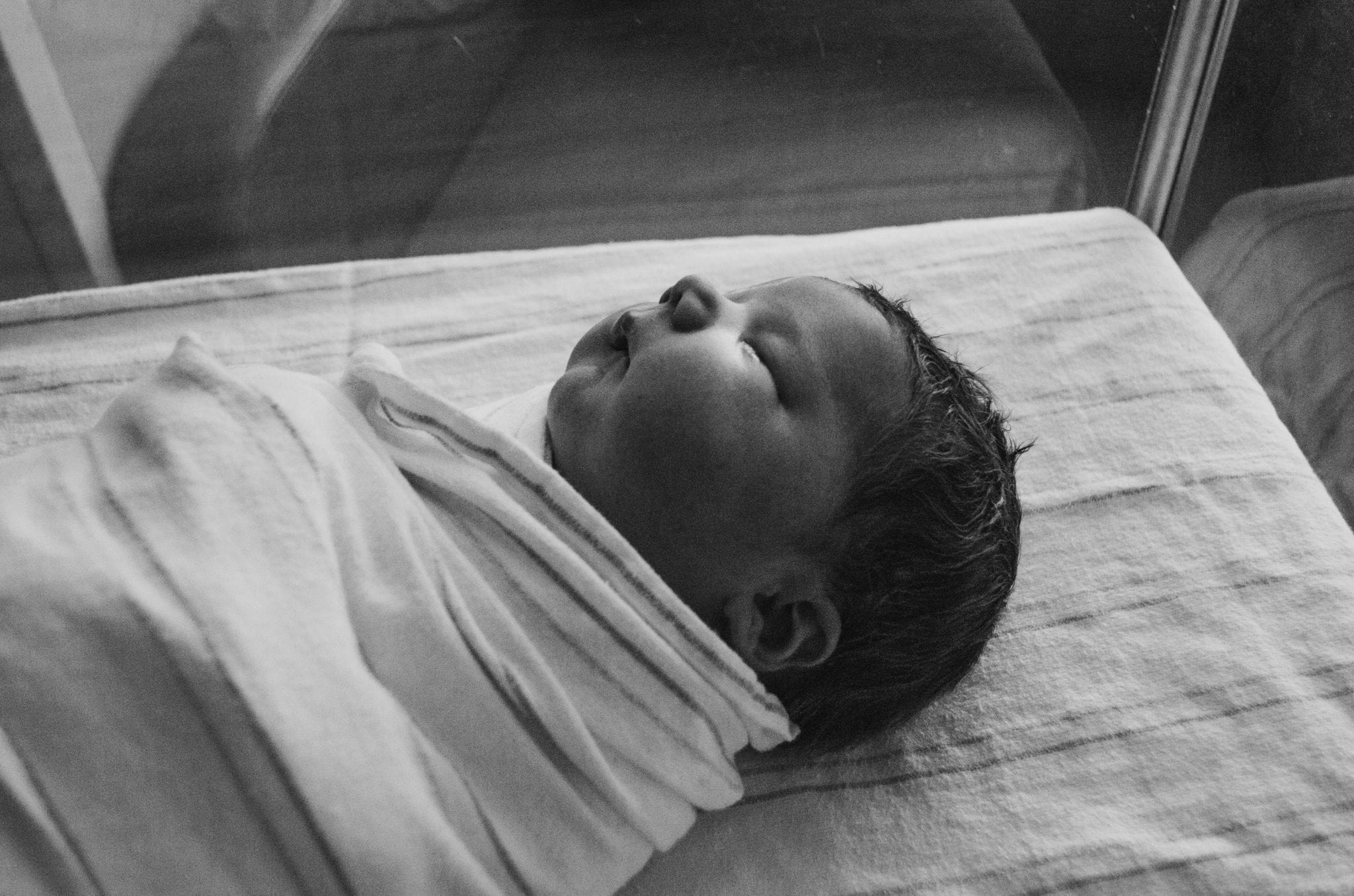
 Photo by Ryan Franco on Unsplash
Sources:
D.C.’s maternal mortality rate is at crisis proportionsCLOSURE OF TWO D.C. MATERNITY WARDS HURTS LOW-INCOME WOMEN MOST
About Sara E. Teller
Sara is a credited freelance writer, editor, contributor, and essayist, as well as a novelist and poet with nearly twenty years of experience. A seasoned publishing professional, she's worked for newspapers, magazines and book publishers in content digitization, editorial, acquisitions and intellectual property. Sara has been an invited speaker at a Careers in Publishing & Authorship event at Michigan State University and a Reading and Writing Instructor at Sylvan Learning Center. She has an MBA degree with a concentration in Marketing and an MA in Clinical Mental Health Counseling, graduating with a 4.2/4.0 GPA. She is also a member of Chi Sigma Iota and a 2020 recipient of the Donald D. Davis scholarship recognizing social responsibility. Sara is certified in children's book writing, HTML coding and social media marketing. Her fifth book, PTSD: Healing from the Inside Out, was released in September 2019 and is available on Amazon. You can find her others books there, too, including Narcissistic Abuse: A Survival Guide, released in December 2017.