
Protecting the Legal Rights of 9/11 Survivors
Protecting the Legal Rights of 9/11 Survivors
As we approach the anniversary of one of the saddest and most tragic events in American history, we need to remember that a great deal of damage was also done in the months and years after 9/11. Here, we examine the legal rights of 9/11 survivors.What is a 9/11 Survivor?As New Yorkers, when we think of the attacks on 9/11, the first thought for many is the horrors of that day and the close to 3,000 lives immediately lost. The 9/11 disaster did not end on 9/11, with the fallout of the toxic fires, dust, and fumes extending into mid 2022. These toxins cause a whole second wave of victims – the 9/11 “survivors.” The World Trade Center (WTC) Health Program defines a “Survivor” and any person who was “present in the New York City disaster area in the aftermath of the September 11, 2001, terrorist attacks on the WTC as a result of their work, residence, or attendance at school, childcare, or adult daycare.” It is estimated that, in addition to the 90,00 first responders, there are over 400,000 9/11 survivors – people who were exposed to the toxic contaminants, risk of physical injury, and physically/emotionally stressful conditions in the days, weeks, and months following the attacks.What Protections Do 9/11 Survivors Require?The 9/11 attacks caused physical, financial, and emotional harm to thousands of individuals. Survivors deal with a variety of hardships, from chronic and life-threatening illnesses, especially cancer; lost physical ability and ability to work; lost loved ones; financial burdens; and the mental and emotional toll that being in such a traumatic event can take.Survivors need protections to support their health, including monitoring and treatment of possible 9/11-related illnesses. Survivors also need financial protections due to financial hardships caused by their exposure on 9/11, such as loss of income or ability to work, loss of a loved one who was a financial provider, or loss of ability to perform regular household activities. In addition, survivors may require protections for employment-related losses, such as loss of benefits, pension, or the ability to work.Legal Protections for 9/11 SurvivorsTo address the damage caused by the terrorist attacks of September 11, 2001 and to provide legal protections for 9/11 survivors and responders, the James Zadroga 9/11 Health and Compensation Act (Zadroga Act) was passed in 2011, creating the World Trade Center Health Program (WTCHP) and reauthorizing the September 11th Victim Compensation Fund (VCF). These programs provide support and compensation to individuals who were exposed or injured during or after the attacks, as well as to the families of deceased 9/11 victims and responders.World Trade Center Health Program (WTCHP)The WTCHP was created to provide long-term medical treatment and monitoring for responders to the terrorist attacks at the WTC and related sites in New York City (NYC), the Pentagon, and Shanksville, PA, and survivors who were in the NYC disaster area.The WTCHP provides treatment and monitoring for many health conditions aggravated by, contributed to, or caused by an individual's 9/11 exposures, including aerodigestive disorders, musculoskeletal conditions, cancers, and mental health conditions. The WTCHP also conducts research into the long-term health effects of 9/11 exposure. September 11th Victim Compensation Fund (VCF)The VCF was originally created by an act of Congress in 2001 to provide compensation for physical injury, medical care reimbursement, and wrongful death claims to any individual (or a personal representative of a deceased individual) who suffered physical harm or was killed as a result of the attacks on on September 11, 2001 or the debris cleanup efforts that took place in the months following the attacks.The Zadroga Act was reopened in 2011 and reauthorized in 2016, and important changes were made to the VCF’s policies and procedures for evaluating claims and calculating loss. In 2019, The Never Forget the Heroes: James Zadroga, Ray Pfeifer, and Luis Alvarez Permanent Authorization of the September 11th Victim Compensation Fund Act was signed, which extends the VCF’s claim filing deadline from December 18, 2020, to October 1, 2090, and appropriates the funds needed to play eligible claims. The VCF is administered by the Department of Justice, and Fund’s Special Master, who was appointed by the Attorney General of the United States, has made over 21,000 eligibility decisions since its inception.Who is Protected By the WTCHP and VCF?
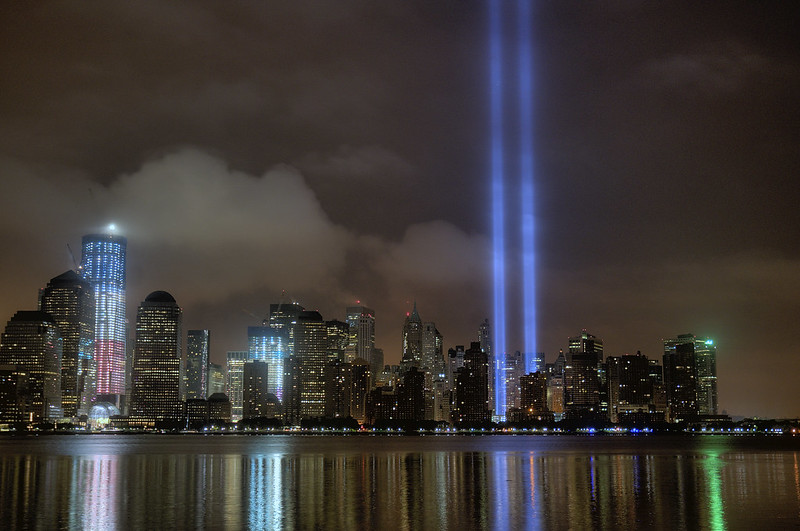
 September 11 Commemoration Day, 2020; image by Frédéric Barriol, via Unsplash.com.

About Troy Rosasco
Troy Rosasco is a Founding Partner at the Manhattan and Long Island law firm of Hansen & Rosasco, LLP. He is known as the "go to" 9/11 Victim Compensation Fund attorney in New York. He has personally been representing 9/11 victims and their families for over 20 years.