
The Psychology of Dressing for Court
The Psychology of Dressing for Court
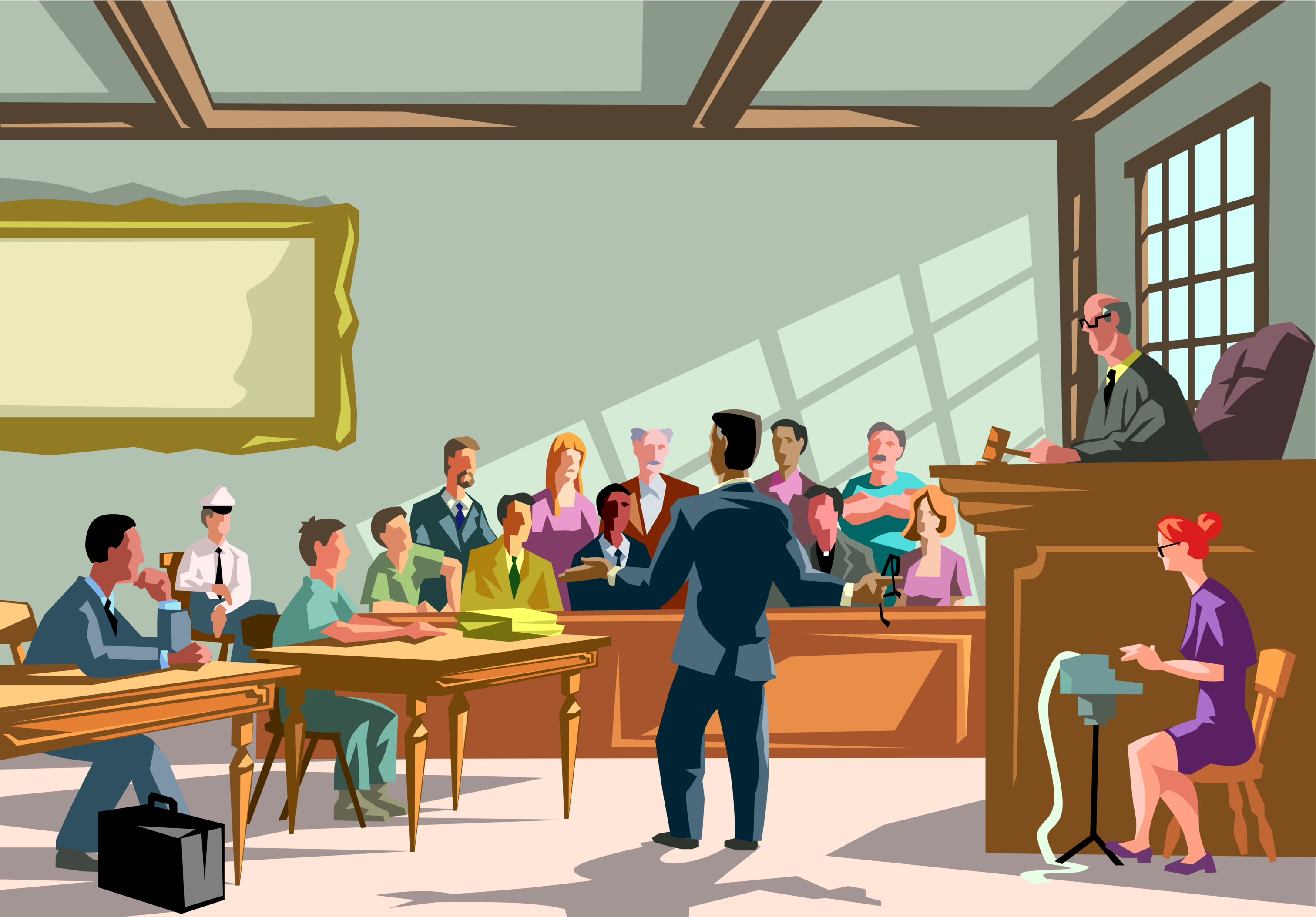
Situational attire is an important skill in life. Just ask any employer who has seen job seekers show up in jeans and flip-flops for an interview or the elementary school who sees parents show up for a field trip in high heels. Although how you dress is certainly an important aspect of personal expression, it is important to remember that a particular situation should give you some guidelines as well. Nowhere is this more important than in a courtroom.Although you may not be aware of it, how you dress sends out important psychological messages to the people who see you. That psychology is so important in the courtroom, that many lawyers hire professional consultants to advise on this aspect of presentation alone. Here are some tips to guide you on your best courtroom attire.Go for a Neutral LookIn general, people taking part in a court procedure want to dress conservatively. Lawyers of all sexes typically choose a suit with a jacket, dress pants or skirt, and sometimes vests if they want to seem highly professional. Attire for witnesses and defendants are often chosen by a stylist to avoid any accidentally negative impressions. Here too, the go-to style is conservative. Although witnesses may not be as resplendent as the lawyers, you will typically see blazers, conservative shirts, demure dresses, dress pants and sensible shoes.Colors are chosen carefully because of the powerful psychological messages they can evoke. You don't want to dress a client accused of a violent crime in red; a color that evokes thoughts of anger and being out of control. For this reason, courtrooms are usually full of people dressed in whites, greys and browns. These colors are not associated with powerful emotions that help to avoid any negative preconceptions by the jury or the judge.Avoid Individuality An appointment in court is definitely not the time to use your clothing to express your individuality. Whereas your favorite linen smock may say comfort and elegance to you, to a jury it can read as hippyish and give impressions of flightiness and a lack of gravity. Your stilettos may make you feel powerful, but high heels evoke impressions of sexuality which might be pleasant visually, but there's also a subconscious bias that sees an overtly sexy person as unsympathetic and untrustworthy. Excessive makeup can convey falseness, a pair of cowboy boots can be interpreted as a lack of intelligence, designer clothes can create an impression of entitlement and distressed blue jeans can be read as a lack of respect for societal rules.In a courtroom, whether you are a witness or a defendant, you want to allow the lawyers to define a narrative unhindered by the preconceptions that your manner of dress could invoke. It's one of those rare situations in life in which being unremarkable is the goal.Project Your Desired Identity
 Elderly woman with hands folded in her lap; image by Cristian Newman, via Unsplash.com.
About Kevin Gardner
Kevin Gardner graduated with a BS in Computer Science and an MBA from UCLA. He works as a business consultant for InnovateBTS where he helps companies integrate technology to improve performance. He shares his knowledge and expertise not only with his clients, but also with his fellow bloggers and readers.