The Role of Wetland Delineation in Environmental Law and Compliance
The Role of Wetland Delineation in Environmental Law and Compliance
Environmental law, particularly The Clean Water Act, is pivotal in safeguarding our natural resources. It ensures that land development and nature coexist in harmony. While many developers are aware of this law and respective compliance, they tend to find all regulations complex and far-reaching. However, it’s important to understand that these regulations lay the groundwork for a more sustainable and environmentally conscious society. Within this legal framework, wetlands emerge as a critical area of focus. These unique ecosystems are not just scenic marvels but also crucial for biodiversity, water purification, and flood control. Recognizing and protecting these areas is essential; this is where wetland delineation comes into the picture.So, let’s learn in detail about Wetland Delineation and its role in compliance with environmental law. Understanding Wetland DelineationWetland delineation involves on-site fieldwork to identify the division or the boundaries between dry land (also known as Upland) and wetland. This crucial task adheres to protocols set by the United States Army Corps of Engineers (USACE) and is essential for obtaining necessary land-development permits.In simple words, before initiating any property development, it is mandatory for developers to obtain a Wetland Delineation report to establish whether there are wetlands on the property (and, if so, their exact boundaries). This report includes photographs, information on soil types, water presence, plant life, and the weather conditions during the survey. All this data collectively supports the delineator’s conclusions regarding the precise boundary between a water body and an upland area. Key Elements of Wetland Delineation:Now that you know why this delineation report is required, let’s learn about its essential elements:
Permitting Process: For any land development, environmental permits are often required, especially when wetlands are involved. The delineation report is a key document in obtaining these permits, demonstrating the developer’s awareness and consideration of the wetlands.
Guiding Sustainable Development: The process of wetland delineation encourages developers to plan and execute their projects in an environmentally responsible manner. It helps in avoiding or minimizing the impact on wetlands, thereby promoting sustainable development practices.
Mitigation and Conservation Efforts: In cases where wetland impact is unavoidable, delineation reports guide mitigation efforts. This can include creating, restoring, or enhancing other wetland areas to compensate for the loss, ensuring a balance in the ecosystem.
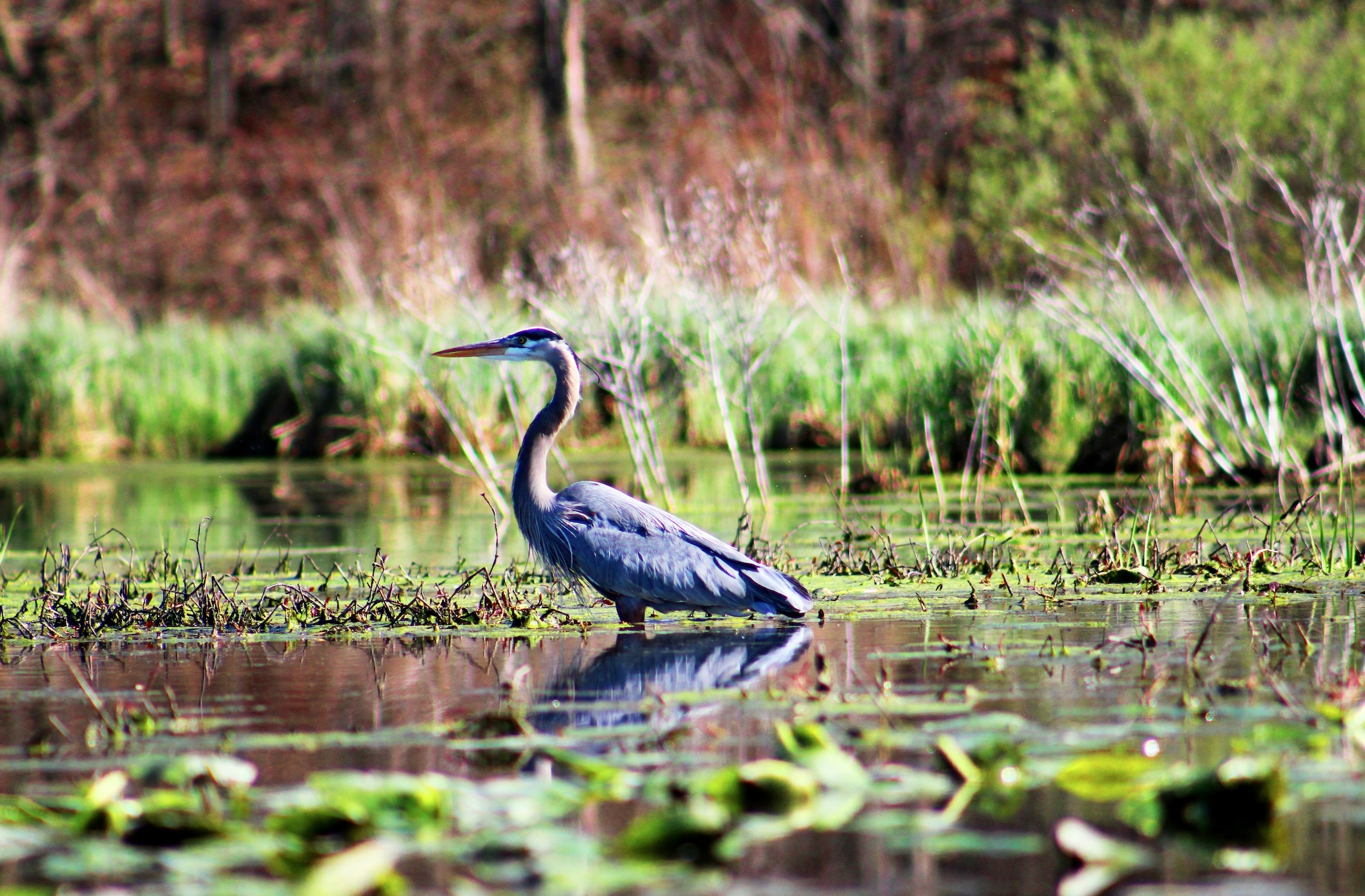
 Photo by Wendy Wei from Pexels
Legal Penalties and Fines: One of the most immediate consequences of non-compliance is the imposition of legal penalties and fines. These fines can be substantial, reflecting the severity of the violation and the extent of the environmental impact.
Project Delays and Stoppage: Non-compliance can lead to a halt in project development. Regulatory authorities may issue stop-work orders until compliance is achieved, leading to significant delays and increased project costs.
Environmental Damage: Development projects can cause irreparable damage to wetlands without proper delineation and subsequent protective measures. This includes loss of habitat, biodiversity, and disruption of ecological balance.
Legal Litigation: Developers may face lawsuits from environmental groups, government agencies, or affected communities. It goes without saying that legal battles are not only costly but also time-consuming. Plus, it can damage the reputation of developers to a great extent.
Remediation Costs: If a project causes harm to a wetland, the developer might be required to undertake costly remediation measures to restore the damaged ecosystem. In some cases, developers might also have to create new wetland areas to compensate for the loss. This involves identifying suitable locations, ensuring proper hydrological conditions, and establishing a viable ecosystem.
Using Due Diligence Software: These experts often use special software designed for environmental projects. This software helps in organizing and analyzing data about the land, making the process more efficient and accurate.
Fieldwork: The professionals will visit the site, study the soil, water, and plants, and use their findings to decide where the wetland begins and ends.
Report Preparation: Finally, they’ll prepare a detailed report based on their research and findings, which is essential for any development plans.
About Irene Peters
Irene Peters, a practicing legal advisor in the United States of America. She is a major in personal injury law and has been practicing for nearly a decade now.