Roselyn Tso, Diné Woman, To Lead IHS
Roselyn Tso, Diné Woman, To Lead IHS
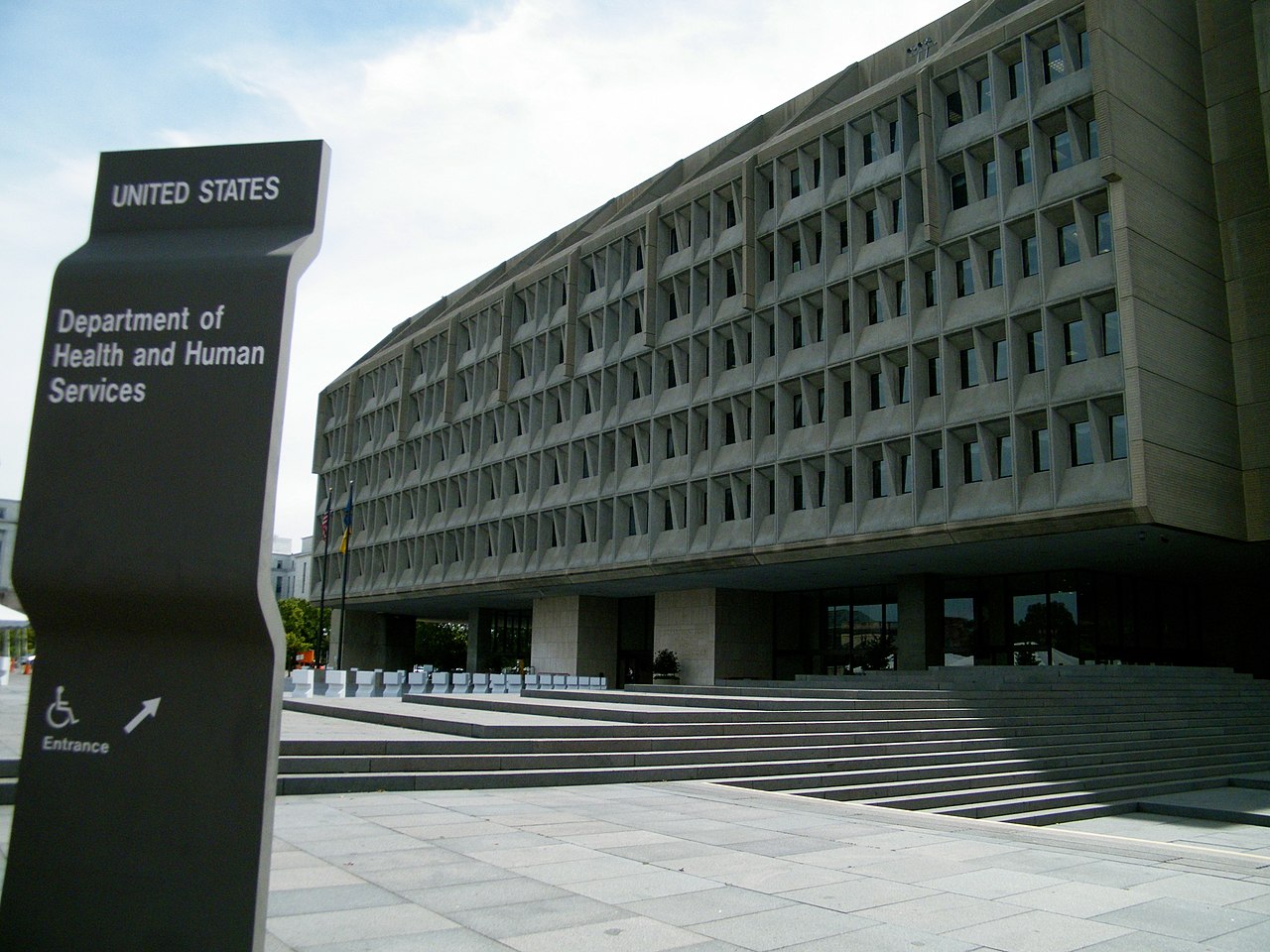
Last Wednesday, the Senate finally confirmed Roselyn Tso by a unanimous voice vote to a four-year position as director of the Indian Health Service. Tso was nominated in March. The department has lacked a full-time leader for six of the last seven years. Tso takes the reins from Acting Director Elizabeth A. Fowler, a member of the Numinu (Comanche) nation. The last permanent director was Michael Weahkee, A:Shiwi (Pueblo of Zuni), who served less than a year under former President Trump.Roselyn Tso has nearly forty years of experience working for the Indian Health Service, having started her career there in 1984 as an administrative officer in Yakama, Washington. After holding a series of positions with increasing responsibility, she served as the director leading the IHS's operations for her own Diné (Navajo) Nation.The last few years have been hard for the IHS, as the COVID pandemic disproportionately affected Native Americans and Alaskan Natives. Between 2019 and 2021, life expectancy for Indigenous Americans fell by more than six years to age 65, compared to the United States average of 76. Crowded living conditions, poverty, food insecurity, and little access to even chronically underfunded medical facilities made COVID especially deadly for people living on reservations. For one sample group of Native Americans, the mortality rate was 2.8 times higher than for the white sample group, even after adjusting for age. Native Americans also experienced higher mortality rates than Latino and African American groups, even with better vaccination rates.Although a complete study of COVID's effect on Native Americans can't be completed until the virus has burned itself out (and the way we're behaving, it may never do that), it's safe to assume that starving the IHS of proper funding isn't a great way for the government to uphold treaties, court decisions, and executive orders that promise to provide health care for Indigenous people and their sovereign nations. Native Americans and Alaskan Natives also experience disproportionately poor health outcomes due to heart disease, diabetes, lower respiratory disease, cancer, liver disease and cirrhosis of the liver, accidental injuries, assault, homicide and suicide. It's almost as if packing human beings into marginal-quality reservations, substituting their traditional diets with poorer, cheap, processed commodity based belly-fillers, polluting the land around them, and locking them into poverty isn't actually healthy.
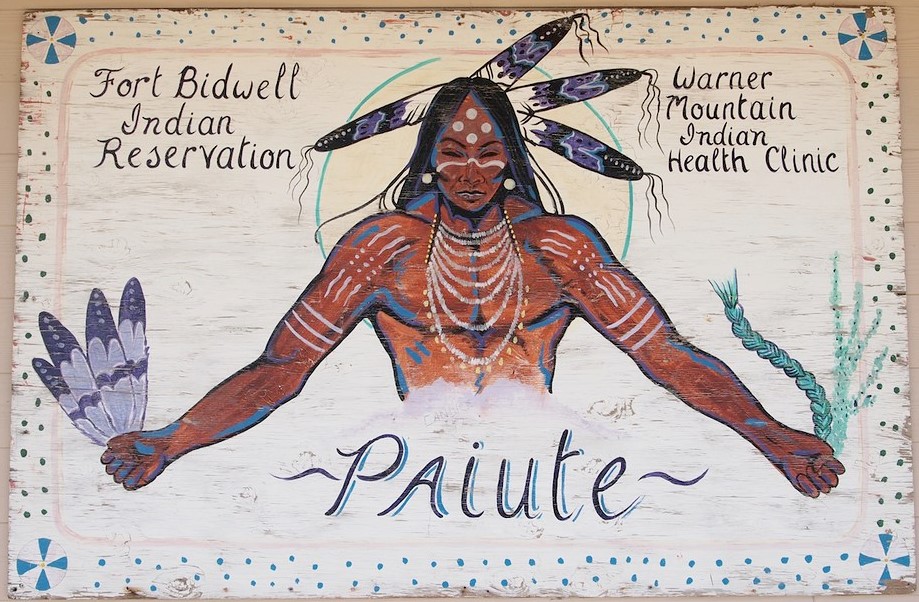 Sign at a Native American health clinic at Fort Bidwell Indian Reservation in California. Photo by meowrer, via Flickr. Image has been cropped. CC BY 2.0
Sources:
Navajo Nation citizen will head Indian Health Service
After 609 days, the Indian Health Service has a new leader
This is a historic achievement for all of our Navajo people and tribal nations
Elizabeth A. Fowler: Acting Director, Indian Health Service
Native American Deaths from COVID-19 Highest Among Racial Groups
Indian Health Service: Disparities
Huge boost for Native American health care left out of federal spending bill
Biden-Harris Plan for Tribal Nations
More Native Americans Named to Key Posts in Biden Administration
Native American Heritage Month: Native American Leaders Shaping the Biden-Harris Administration
About Dawn Allen
Dawn Allen is a freelance writer and editor who is passionate about sustainability, political economy, gardening, traditional craftwork, and simple living. She and her husband are currently renovating a rural homestead in southeastern Michigan.