Schools are Rolling Out New No-phone Policies
Schools are Rolling Out New No-phone Policies
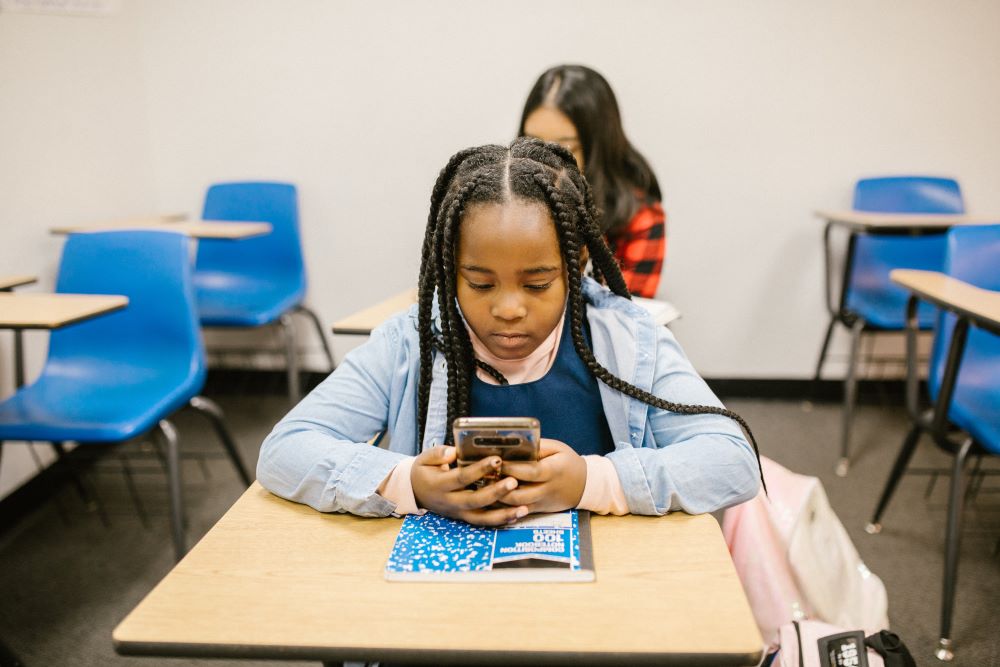
The use of phones in schools can be a major distraction for both teachers and students, leading to widespread no-phone policies. Thanks to the onset of social media and widespread use of phones by children and teens, many of today’s youth have a hard time “powering off” their smartphones – even when they’re in class. Thus, these policies are becoming necessary.Smartphones not only help students stay connected to their friends and see how many followers they have on Instagram and other sites, but they can also be used to inform family members when they’re not feeling well or need to be picked up from school for other purposes. Thus, many parents see nothing wrong with having their students carry phones into the classroom “for emergency purposes only.”Of course, when left unattended, students tend to abuse this policy and can try to sneak in text messages or photo shares while they’re supposed to be paying attention to their lessons. This can interfere with academic performance as these individuals miss the opportunity to retain necessary information to not only pass their classes but advance their knowledge overall.A study conducted by the University of Texas found that students who used their phones during class scored significantly lower on exams compared to those who did not use their phones. On the flip side, a study conducted by the London School of Economics found that banning phones in schools increased student test scores by 6.4%.
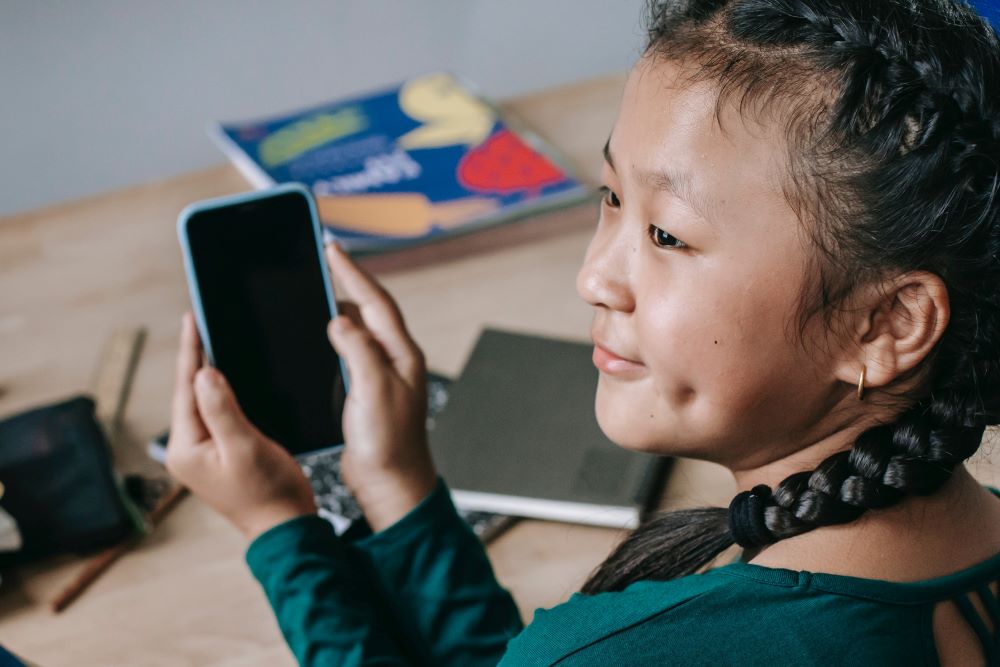 Photo by Katerina Holmes from Pexels
Sources:
Schools across U.S. join growing no-phone movement to boost focus, mental healthShould Public Schools Ban Cell Phones?
About Sara E. Teller
Sara is a credited freelance writer, editor, contributor, and essayist, as well as a novelist and poet with nearly twenty years of experience. A seasoned publishing professional, she's worked for newspapers, magazines and book publishers in content digitization, editorial, acquisitions and intellectual property. Sara has been an invited speaker at a Careers in Publishing & Authorship event at Michigan State University and a Reading and Writing Instructor at Sylvan Learning Center. She has an MBA degree with a concentration in Marketing and an MA in Clinical Mental Health Counseling, graduating with a 4.2/4.0 GPA. She is also a member of Chi Sigma Iota and a 2020 recipient of the Donald D. Davis scholarship recognizing social responsibility. Sara is certified in children's book writing, HTML coding and social media marketing. Her fifth book, PTSD: Healing from the Inside Out, was released in September 2019 and is available on Amazon. You can find her others books there, too, including Narcissistic Abuse: A Survival Guide, released in December 2017.