Scientists Warn Some Prescriptions Don't Mix Well with Cannabis
Scientists Warn Some Prescriptions Don't Mix Well with Cannabis
Scientists at Penn State College of Medicine warn that the use of cannabis products, both prescription and non-prescription, may not mix well with prescription medications, resulting in potentially serious health consequences.“Whether it’s recreational cannabis, prescribed cannabinoid or medical marijuana, it’s important your doctor knows you’re using it,” said Kent Vrana, PHD, head of the pharmacology department at Penn State College of Medicine, in a Penn State Health.In Pennsylvania, people can obtain a medical marijuana card without authorization by a primary care provider. This can be a problem, Vrana explained, because doctors may be unaware their patients are using cannabis products that don't mix well with prescribed medications and this could lead to unintended drug interactions.Over the counter (OTC) cannabidiol, commonly known as CBD and found in smoke shops, online or sometimes in local drugstores, has medicinal properties that have the potential to treat a wide range of medical conditions. CBD is a compound extracted from the hemp plant that does not cause euphoria or a high. In marijuana, the main psychoactive compound is tetrahydrocannabinol, or THC, and it causes users to experience a high. Despite normally being contained in recreational marijuana, THC can be present in certain CBD products, although it is uncommon.
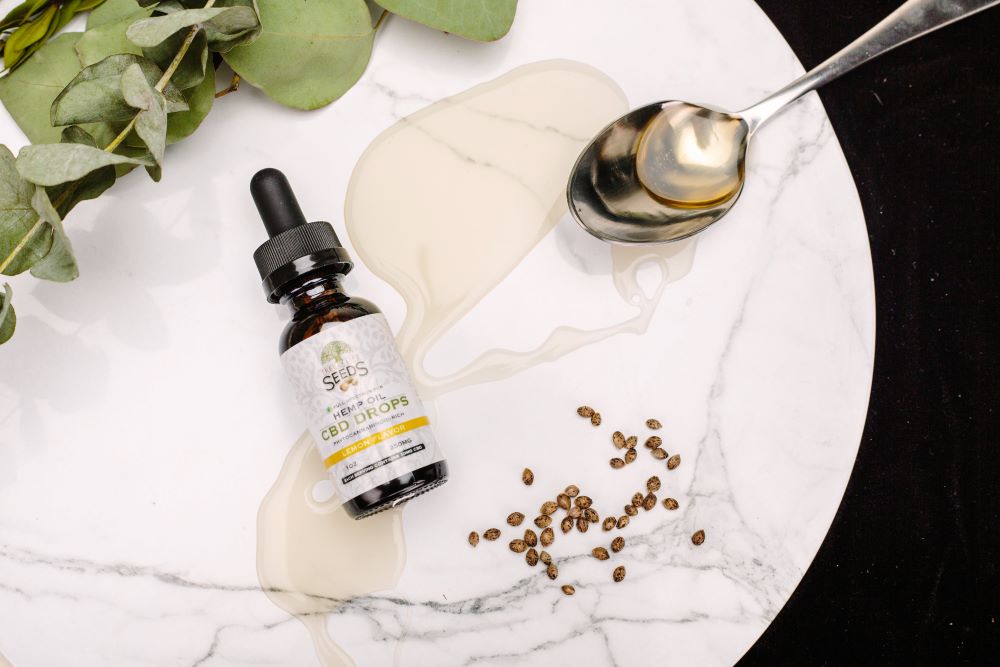 Photo by Tree of Life Seeds from Pexels
Sources:
Using a CBD Product? Be Sure to Tell Your DoctorThe Medical Minute: Talk to your health care provider about any use of cannabinoid products - Penn State Health NewsCANN-DIR
About Sara E. Teller
Sara is a credited freelance writer, editor, contributor, and essayist, as well as a novelist and poet with nearly twenty years of experience. A seasoned publishing professional, she's worked for newspapers, magazines and book publishers in content digitization, editorial, acquisitions and intellectual property. Sara has been an invited speaker at a Careers in Publishing & Authorship event at Michigan State University and a Reading and Writing Instructor at Sylvan Learning Center. She has an MBA degree with a concentration in Marketing and an MA in Clinical Mental Health Counseling, graduating with a 4.2/4.0 GPA. She is also a member of Chi Sigma Iota and a 2020 recipient of the Donald D. Davis scholarship recognizing social responsibility. Sara is certified in children's book writing, HTML coding and social media marketing. Her fifth book, PTSD: Healing from the Inside Out, was released in September 2019 and is available on Amazon. You can find her others books there, too, including Narcissistic Abuse: A Survival Guide, released in December 2017.