Settling Issues with Back Taxes
Settling Issues with Back Taxes
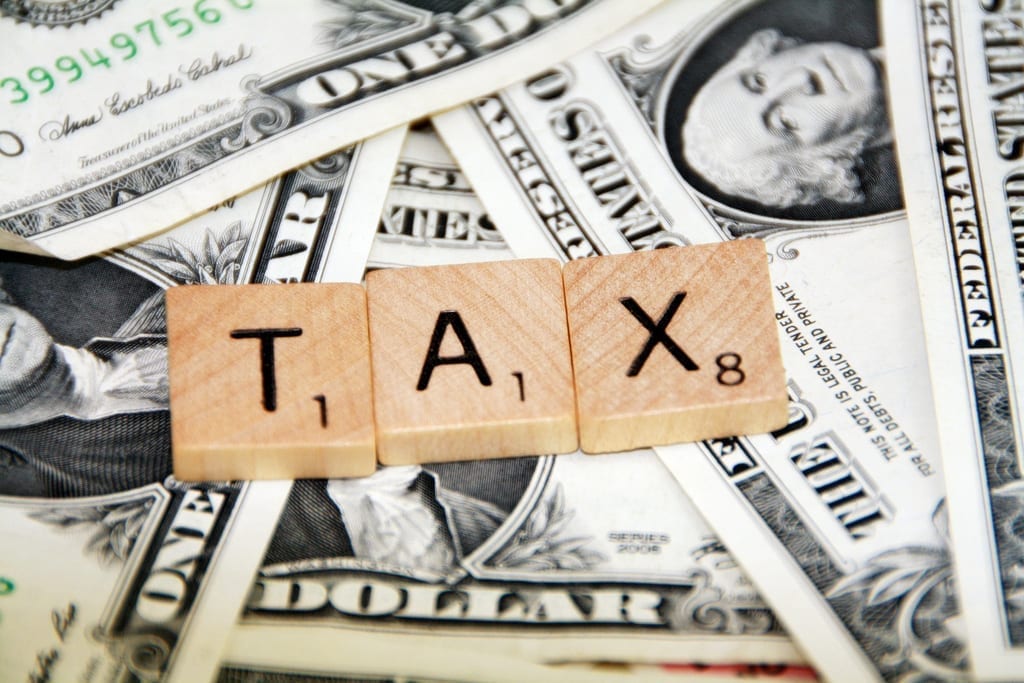
No one wants to deal with tax issues. It is unpleasant even under the best of circumstances. When you think you might owe or that you made a mistake, it can be even worse. The idea of settling a huge tax bill or being subject to penalties can be a significant source of stress. For some people, the instinct is to not think about it and hope the problem never rears its head. While this might feel simpler in the moment, it is one of the worst decisions you can make. The problem will not go away on its own, and your liabilities are likely to increase as more time passes. The best thing you can do is confront the issue head-on. It might be unpleasant, but the sooner you address the situation, the better you can mitigate the damage. With that said, settling back tax issues is not simple. There are many potential solutions to consider.Determine the Scope of the IssueYou will need to assess the situation before you can develop a plan for addressing it. You want to know how much you owe and the types of penalties that might apply. Smaller debts will obviously be easier to settle than older ones. The number of years can also have an impact.You will want to get all your tax documents from the relevant years together. If you have tax returns or amendments you need to file, you should handle them as soon as you can. Getting your filings up to date will do a lot to help you understand the situation. It will also show that you are making efforts to address any issues.File for an ExtensionWhat if your taxes from previous years are good, but you have an issue with your current tax bill? Maybe you are ready to file, but you don’t have enough to pay it in its entirety. If that is the case, filing for an extension might be the best idea. An extension can provide a little extra time and help you avoid additional penalties.With that said, there are different types of extensions. One of the easiest to get is an extension on the time to file. However, it is not an extension of the time to pay. You are still expected to pay on time, or you will be subject to penalties. It is also possible to get payment extensions. In most cases, you will at least have to pay interest while your taxes are unpaid.Borrow Money to PayIn most situations, it will be better to owe money to a bank or other lending institution than to the tax authorities. If you don’t have the available funds to pay, it could be a good idea to borrow the money. Since tax debts come with all sorts of penalties and interest, borrowing might be the cheaper option.If the debt is small, using your credit cards could be a simple way to clear tax debt. However, bank loans have lower interest. For example, if you own your home, it might be worthwhile to consider refinancing your mortgage or taking a home equity loan. Arrange for InstallmentsSome tax bills are so big you can’t pay them all at once. In that case, you might want to consider arranging an installment plan. With this option, you enter an agreement with the IRS to make payments over time to settle the tax bill. It can make large debts easier to manage. However, there are typically fees and interest. It is important to understand that there are different ways installment plans can work. You might qualify for different plans depending on the size of the debt and how quickly you can pay. It will also help if you pay as much as you can upfront before starting the installment plan. Hardship Filings
 Image by Andrew Khoroshavin, courtesy of Pixabay.
About Bilal Sajjad
Let me introduce myself, the editor of Beauty Lies Truth. I love traveling and visiting new places, and tend to bring comfort into the trip. I love spicy food, anything with lemon, nature, and I don't understand the point of taking a picture without one of us appearing in it.