
Seven Things You Absolutely MUST Do When You Are in a Car Accident
Seven Things You Absolutely MUST Do When You Are in a Car Accident
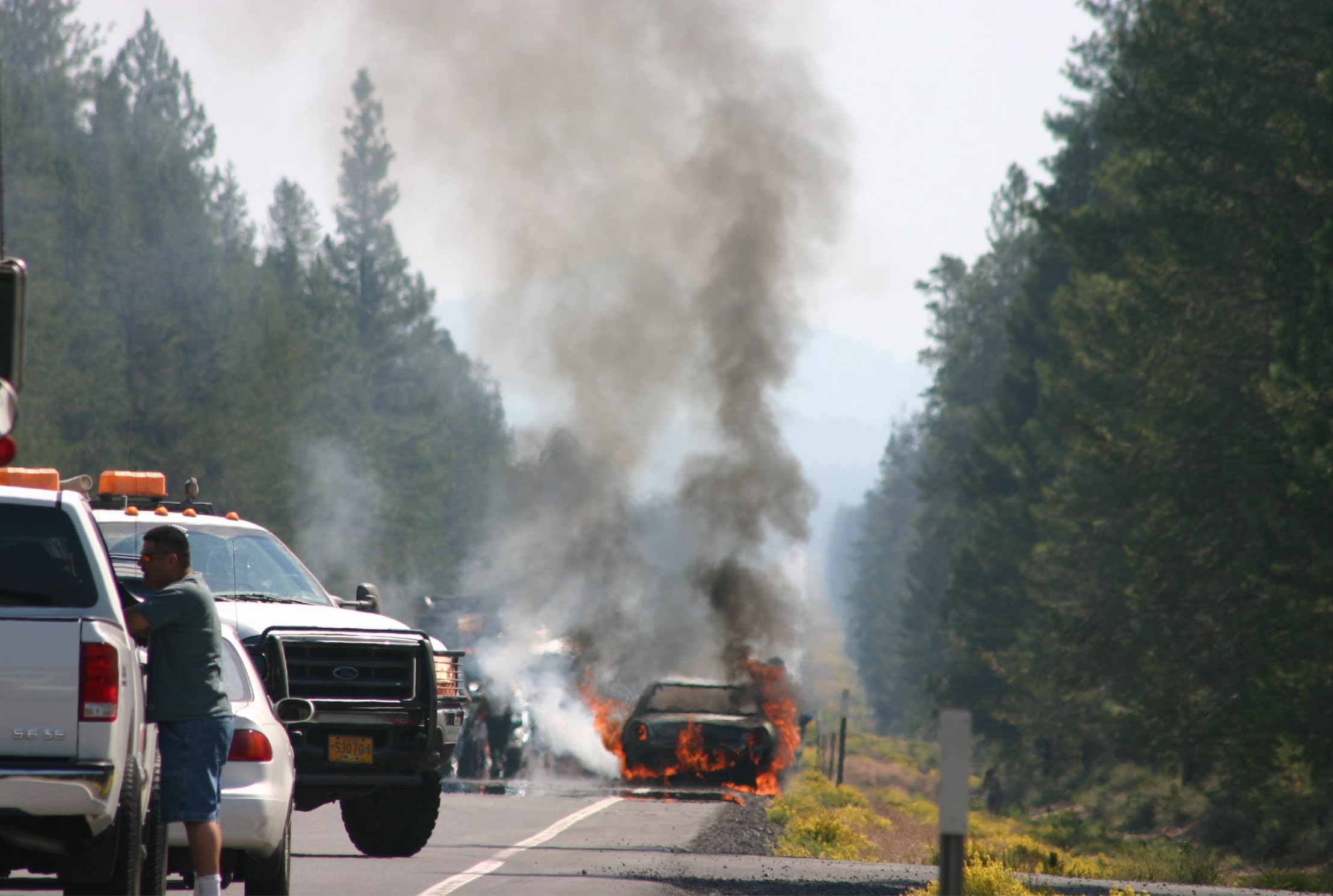
If you are involved in a car accident, there are things you absolutely must do in order to secure yourself and your right fair compensation. This is particularly true if you are injured in the accident. 1. Call the police and obtain a police report.Because it is difficult to know exactly what physical damage was caused by an accident in the moments following it, people would do well to call the police and have them issue a report. Police presence can prevent confrontation and apply first aid when needed.Also, on the day of the accident, you cannot know whether you will have to sue for injuries, property damage or both. The police have extensive experience in understanding the cause of the accident and can issue a report identifying who is at fault. This information will come in handy when it is time for you to negotiate a settlement with the other driver.2. Leave the vehicles where they are.It may be tempting to get the cars out of the way so that traffic can pass. If possible and if you can remain safe, try to leave your vehicles exactly at their place of rest after the accident. Although traffic will suffer, when the police arrive, they will be able to help you to safely move the damaged vehicles. The police can also be witnesses as to the location of the vehicles after the accident. And the positioning of vehicles can be evidence of liability and can go a long way in to determining how an accident occurred. This can be useful at trial to determine which party was at fault.3. Take pictures.Along the same lines as #2 above, once you are safe use your smart phone to take pictures of the vehicles involved in the crash. Make sure you photograph not only the location of the vehicles but also where on each vehicle there was damage. Photographic evidence of the damaged location helps to establish not only how the accident occurred but also the severity of the crash. An “eggshell plaintiff" notwithstanding, significant injuries normally occur from significant impact. 4. Do not make ANY statements to anyone about how the accident happened.Until you have the opportunity to speak to a lawyer, do not make any statements to anyone about how the accident happened. You may speak with the police at the scene, but do not converse with the other driver or other individuals involved. Conversations regarding the cause of the accident, what you remember, etc. are evidentiary admissions and can be used by defense counsel to attack the truthfulness of your account and your credibility as a witness. Simply statements such as “I didn’t see you” or “I’m sorry” even though you may not be at fault, will be used against you and can sometimes have a significant impact on a lawsuit if one is pursued.5. Call your insurance company.You may not think of it this way, but your auto insurance company can be your advocate. You are paying them to mitigate your risk of loss. While we may often read of bad-faith insurance claims, most insurers will live up to their end of the bargain – particularly if you did not cause the accident. Accordingly, contact your carrier as soon as possible. Many policies have a time requirement during which you must make a claim. Also, insurers are concerned with recapturing property damage costs through subrogation from the other driver’s insurance policy. Also, in many “no-fault” insurance jurisdictions, your own auto insurance policy will pay for your medical treatment. 6. If injured, seek immediate medical attention.
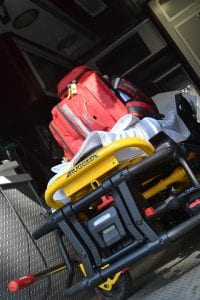 Medical supplies in an ambulance; image courtesy of dawgstar84 via Pixabay, www.pixabay.com

About Paul M. Coppola, Esq.
Paul M. Coppola, Esq. is a licensed attorney since 1994 and a serial entrepreneur. In his writing, he shares his unique insight into personal injury law practice as a business. He currently resides at the “Jersey Shore” with his wife and two children and is the owner of Fair Rate Funding, a litigation finance firm which specializes in advancing money for expenses to personal injury plaintiffs prior to settlement.