
Starbucks Union is a Big Labor Win, Sadly
Starbucks Union is a Big Labor Win, Sadly
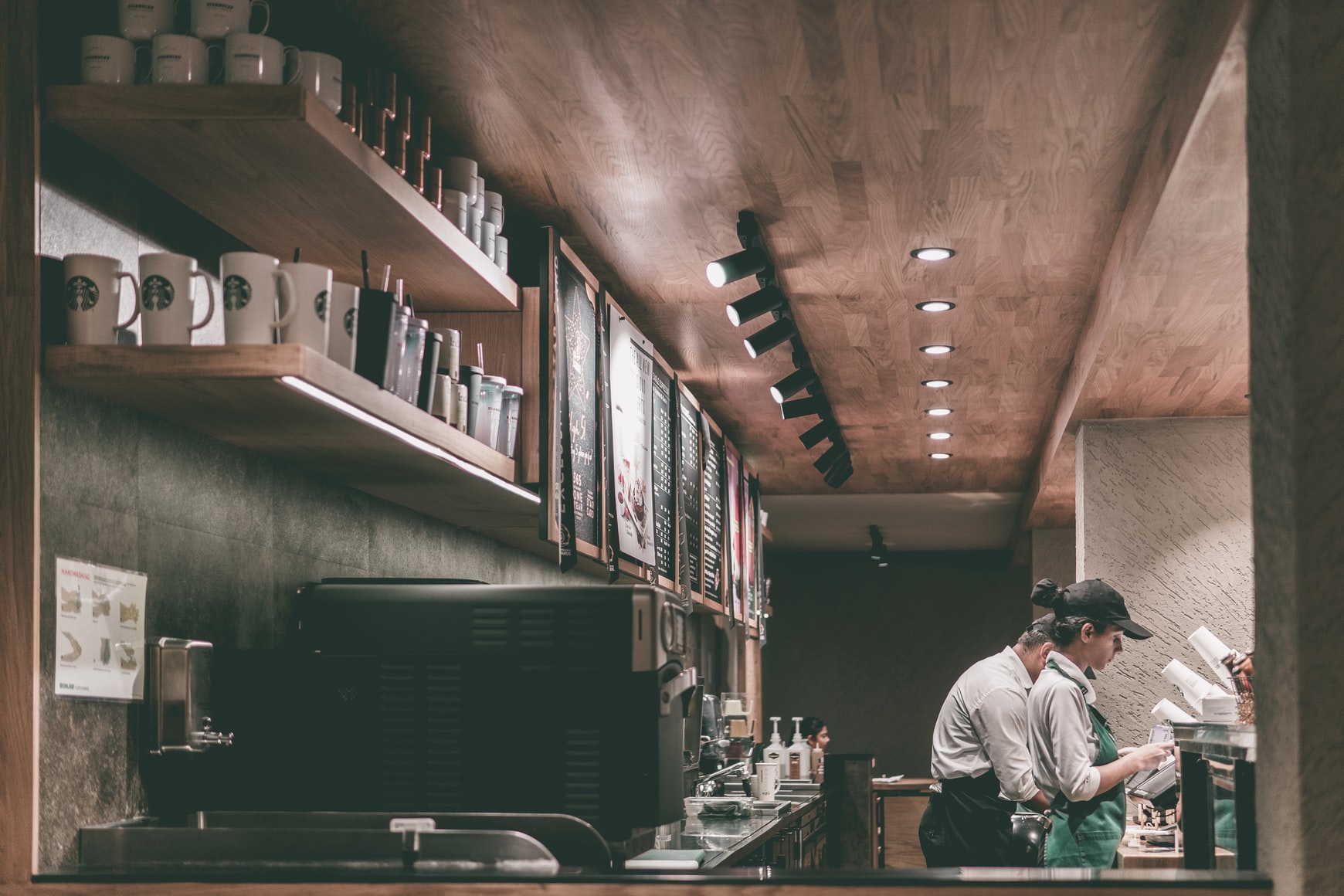
Starbucks operates 8,953 stores in the United States. Recently, workers in three of those stores in the Buffalo, NY area held union votes. The union went down like it was wearing cement overshoes at the Camp Road Starbucks, losing 12 against to 8 in favor. Another vote that the airport location leaned towards forming a union by 15 in favor to 9 against, but several ballots have been challenged and the vote is headed for litigation. However, on Elmwood Avenue, with a vote of 19 for to 8 against, the Starbucks union effort claimed its first victory.The newly unionized Starbucks workers will join Workers United, part of the two million members of Service Employees International Union (SEIU). According to Vice, the workers hope to bargain for seniority and sick pay, lower healthcare costs, better safety and health practices, credit card tipping, and an accountability system for grievances, all of which sound worthwhile.NPR declared it a “big win for labor.” Robert Reich, who served as President Clinton's secretary of labor in the 90s, called the newborn Starbucks union “one giant leap for workers across America,” a “huge victory,” and a “watershed.” And it's all true, which is really sad.Let's step into the Wayback Machine and take a look at an earlier moment in the history of organized labor, shall we?In 1913, Michigan's Upper Peninsula was home to vibrant communities of immigrants to came here from the old country to work in the copper mines. Mining has never been an easy job, and copper miners worked in bad conditions for low pay, with the extra added possibility of dying on the job. Lacking an official union, miners relied on mutual aid and each other while their management set different ethnicities and generations against each other to keep them from even attempting to organize.However, union organizers overcame these divide-and-conquer tactics by deliberately bringing together workers from different backgrounds, languages and cultures. The Western Federation of Miners (WFM) had won hard-fought battles for recognition in Colorado, Utah and Montana, and when they came to Michigan, it was fertile ground in a wider American working class movement. Identifying the miners' main grievances, the WFM organized parades and rallies in the spring of 1913. Riding the momentum, they presented Charles Lawton, general manager of Quincy Mine, with an ultimatum: recognize the union and negotiate with the miners, or face an indefinite work stoppage. In June, Lawton returned the letter unopened, and the strike was on.The beginning of the labor stoppage was like a party, with parades and picnics. The President of WFM and Mother Jones came to support the workers. But then, mine owners convinced the state of Michigan to bring in the National Guard. They busted up meetings, harassed and spied on workers, raided union offices, and attacked striking miners.As winter closed in and miners were running low on resources and morale, the local Women's Auxiliary put together a Christmas party for striking workers and their families. Over five hundred people came, bringing their children, enjoying a drink, and celebrating the holiday. That's when, according to witnesses, a man walked in and shouted “Fire, Fire!” People rushed to leave, but the stairwells were narrow, and objects had been placed there to obstruct the exit. Some said anti-Union people held the doors shut from outside. When rescuers cleared the bodies, upwards of 72 people had been killed, 59 of them children. There hadn't been a fire, but the damage was done. The WFM's organization efforts were over, the workers went back to the mines, and Upper Michigan turned from socialism, with 14 of its 15 counties eventually voting for Trump in 2016 and 2020.
 Photo by Khadeeja Yasser, courtesy of Unsplash.
Sources:
Starbucks workers in Buffalo vote to unionize; cafe is first company-owned store in U.S. with union
Starbucks workers form their 1st union in the U.S. in a big win for labor
One small step for Starbucks workers, one giant leap for workers across America
Starbucks Baristas Declare Victory in Historic Union Election
Michigan’s Forgotten Christmas Eve Massacre
Research shows labor unions help lower the risk of poverty
Labor Unions and American Poverty
The Pinkertons Have a Long, Dark History of Targeting Workers
The Contemporary U.S. Right’s Roots in 1930s Union-Busting
What Started the Arkansas Sharecropper Massacre of 1919? A Union.
Letters from an American: November 6, 2021
Kellogg to permanently replace some striking workers
About Dawn Allen
Dawn Allen is a freelance writer and editor who is passionate about sustainability, political economy, gardening, traditional craftwork, and simple living. She and her husband are currently renovating a rural homestead in southeastern Michigan.