
Starkist Admits to Price-fixing Scheme with its Competitors
Starkist Admits to Price-fixing Scheme with its Competitors
The three groups of tuna buyers jointly sued the company in 2019 claiming to have been overcharged and injured by the price fixing. If the appeal had gone the other way, it would have more than likely made it harder for consumers to receive class action status. It could have had potentially serious implications for private parties wanting to file these types of suits.
The initial lawsuit was filed in federal court in California because of allegations that StarKist conspired with its competitors to set the price of cans of tuna at a high price. This was on the heels of an investigation into the company by the U.S. Justice Department. There has been a three-year conspiracy that tuna packagers, such as StarKist and Bumble Bee Foods, have been fixing their prices, which resulted in violations of antitrust laws.
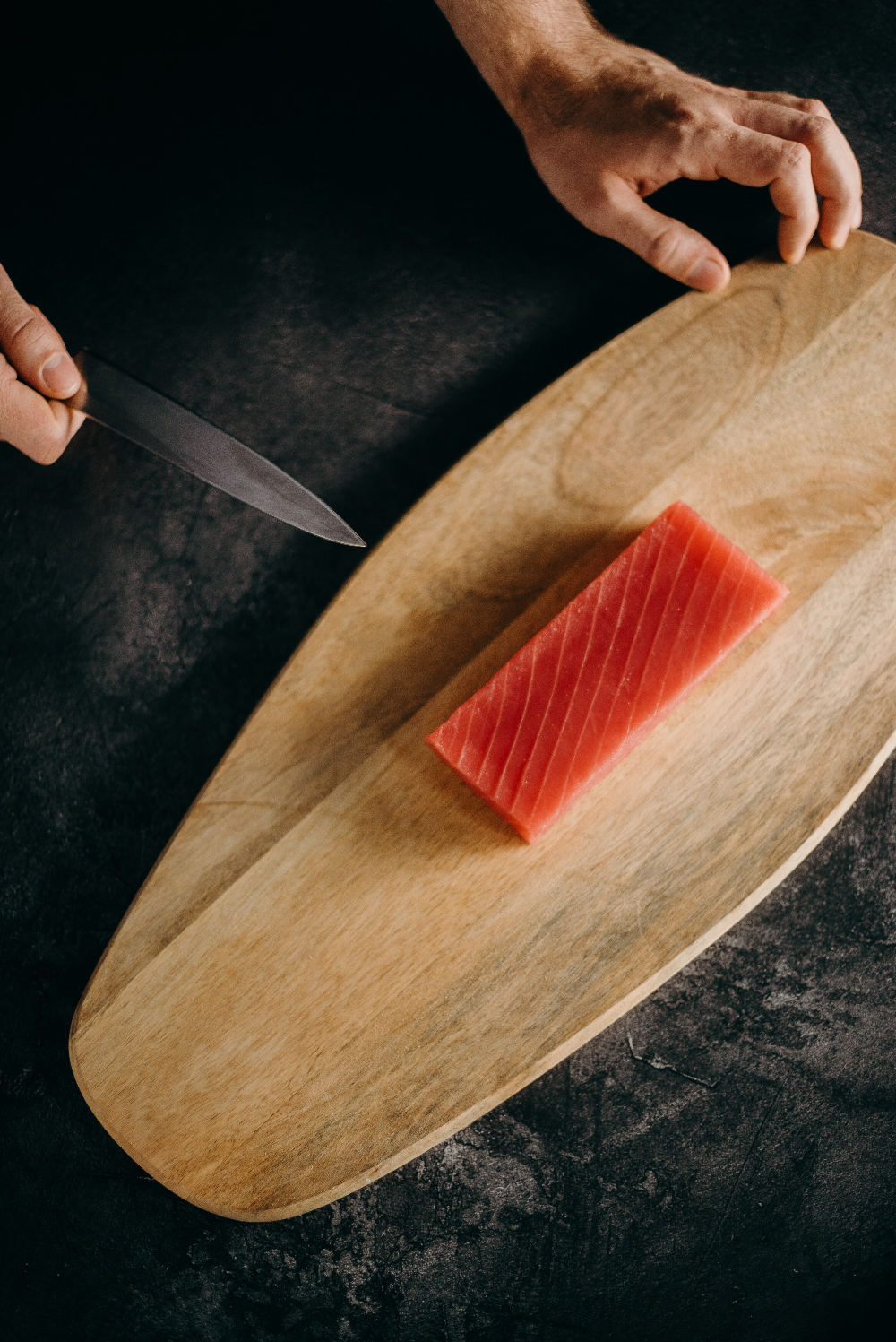
 Photo by Karolina Grabowska from Pexels
The three groups included commercial food preparers, individual consumers, and direct purchasers which included national retailers and regional grocery stores. In 2021, a three-judge panel of the San Francisco-based 9th U.S. Circuit Court of Appeals decertified the three classes. They based their decision on their opinion that the judge had failed to determine whether or not the number of uninjured tuna buyers was too small to justify class action status. StarKist appealed that decision to the Supreme Court.
Gregory Garre, a partner at Latham & Watkins LLP who defended StarKist and its owner Dongwon Industries, said the tuna purchasers suing vary widely in terms of their size, negotiating power, store type, and how they typically buy tuna. “You can’t claim there’s a common question or way in which people were impacted,” he said.
StarKist has plead guilty to the allegations brought forth by the U.S. Justice Department. The company was fined the maximum amount, which totals $100 million. After the company admitted conspiring with two competitors in a price-fixing scheme, Bumble Bee Foods and Chicken of the Sea, a federal judge imposed the maximum fine. These are three of the largest companies doing business in the canned tuna market and have sold more than 80% of all canned tuna in the United States. StarKist has since pleaded with the court so they could avoid the maximum fine stating that they would be unable to pay civil judgments related to this case. The company even said that it could drive the company into bankruptcy.
This was a groundbreaking case that was watched by many. For one, the U.S. Chamber of Commerce argued in a legal brief that too many judges are too quick to certify cases in lawsuits against businesses that are filed by consumers.
Sources:
U.S. Supreme Court rejects StarKist's tuna price-fixing class action appealSupreme Court Won’t Rescue StarKist from LawsuitStarKist Tuna Spat Opens Can of Questions About Class ActionsStarKist Hit With $100 Million Fine
About Sara E. Teller
Sara is a credited freelance writer, editor, contributor, and essayist, as well as a novelist and poet with nearly twenty years of experience. A seasoned publishing professional, she's worked for newspapers, magazines and book publishers in content digitization, editorial, acquisitions and intellectual property. Sara has been an invited speaker at a Careers in Publishing & Authorship event at Michigan State University and a Reading and Writing Instructor at Sylvan Learning Center. She has an MBA degree with a concentration in Marketing and an MA in Clinical Mental Health Counseling, graduating with a 4.2/4.0 GPA. She is also a member of Chi Sigma Iota and a 2020 recipient of the Donald D. Davis scholarship recognizing social responsibility. Sara is certified in children's book writing, HTML coding and social media marketing. Her fifth book, PTSD: Healing from the Inside Out, was released in September 2019 and is available on Amazon. You can find her others books there, too, including Narcissistic Abuse: A Survival Guide, released in December 2017.