
Study Reveals Opioid Trends in Diabetic Neuropathy Treatment

Study Reveals Opioid Trends in Diabetic Neuropathy Treatment
A new study from Jungwei Fan, PhD of Mayo Clinic and colleagues derived from a retrospective review of Mayo Clinic electronic health data and published online in JAMA Network Open has found “prescriptions for opioids as a first-line treatment for painful diabetic peripheral neuropathy (DPN) outnumbered those for other medications between 2014 and 2018, despite the fact that the former is not recommended,” the authors wrote. This means, despite The American Diabetes Association DPN guidelines advising that opioids only be given as a “tertiary option for refractory pain,” patients have been receiving them as a first-line therapy.The JAMA study analyzed records from 3495 adults with newly diagnosed DPN from all three Mayo Clinic locations in Rochester, Minnesota; Phoenix, Arizona; and Jacksonville, Florida during the four-year span from 2014 to 2018. Of those, the researchers found, “40.2% (1406) were prescribed a new pain medication after diagnosis, and that proportion dropped from 45.6% in 2014 to 35.2% in 2018.”
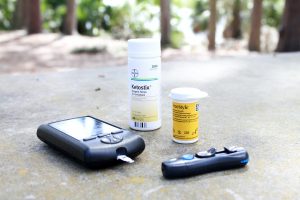 Photo by Mykenzie Johnson on Unsplash
Sources:
Opioids Prescribed for Diabetic Neuropathy Pain, Against AdviceTrends in Pain Medication Initiation Among Patients With Newly Diagnosed Diabetic Peripheral Neuropathy, 2014-2018
About Sara E. Teller
Sara is a credited freelance writer, editor, contributor, and essayist, as well as a novelist and poet with nearly twenty years of experience. A seasoned publishing professional, she's worked for newspapers, magazines and book publishers in content digitization, editorial, acquisitions and intellectual property. Sara has been an invited speaker at a Careers in Publishing & Authorship event at Michigan State University and a Reading and Writing Instructor at Sylvan Learning Center. She has an MBA degree with a concentration in Marketing and an MA in Clinical Mental Health Counseling, graduating with a 4.2/4.0 GPA. She is also a member of Chi Sigma Iota and a 2020 recipient of the Donald D. Davis scholarship recognizing social responsibility. Sara is certified in children's book writing, HTML coding and social media marketing. Her fifth book, PTSD: Healing from the Inside Out, was released in September 2019 and is available on Amazon. You can find her others books there, too, including Narcissistic Abuse: A Survival Guide, released in December 2017.