
The Consequences of Car-Centric Infrastructure on Cyclists

The Consequences of Car-Centric Infrastructure on Cyclists
Car-centric infrastructure, characterized by roads designed primarily for automobiles, has long dominated urban planning and transportation systems. However, the consequences of this approach are becoming increasingly evident, particularly for cyclists. As cities strive to create more sustainable and livable environments, it is crucial to examine the impact of car-centric infrastructure on cyclists and explore potential solutions. This article aims to shed light on the challenges faced by cyclists and the negative consequences of car-centric infrastructure, highlighting the need for change.Lack of Safety Measures for CyclistsOne of the most significant consequences of car-centric infrastructure is the lack of safety measures for cyclists. Traditional road designs often prioritize vehicular flow and speed, neglecting the safety of vulnerable road users like cyclists. As a result, cyclists face a higher risk of accidents and injuries. Insufficient cycling infrastructure, such as bike lanes and protected intersections, makes it difficult for cyclists to navigate safely.Studies have consistently shown that dedicated cycling infrastructure, such as separated bike lanes, significantly reduces the likelihood of collisions between cyclists and motor vehicles. However, in many car-centric cities, the provision of such infrastructure remains inadequate. This lack of safety measures discourages potential cyclists, limiting the adoption of active modes of transportation and perpetuating car dependency.Health and Environmental ImpactsCar-centric infrastructure not only affects cyclists' safety but also has significant health and environmental consequences. The dominance of cars contributes to air pollution, noise pollution, and increased carbon emissions. This deteriorating environmental quality negatively affects the health and well-being of cyclists and the broader community.Cyclists commuting in car-centric cities often experience higher levels of air pollution due to proximity to vehicle emissions. Long-term exposure to pollutants can lead to respiratory problems, cardiovascular diseases, and other health issues. Moreover, the sedentary nature of car-dependent lifestyles contributes to rising obesity rates and associated health problems.Encouraging cycling as a mode of transportation offers a solution to these health and environmental challenges. Promoting active transportation, such as cycling, can reduce air pollution and greenhouse gas emissions while improving overall public health. However, achieving this transition requires substantial changes in urban planning and infrastructure.Inequitable Access and MobilityCar-centric infrastructure also perpetuates inequitable access and mobility. The emphasis on cars in urban planning often creates barriers for individuals who rely on cycling as their primary mode of transportation. Low-income communities, in particular, suffer the consequences of car-centric infrastructure, as they may have limited access to affordable and reliable public transportation alternatives.Moreover, the lack of adequate cycling infrastructure in marginalized neighborhoods further exacerbates transportation inequities. Cyclists from these communities face more significant challenges in reaching essential services, educational institutions, and employment opportunities. This lack of access not only hinders social and economic mobility but also perpetuates existing inequalities.Economic Implications
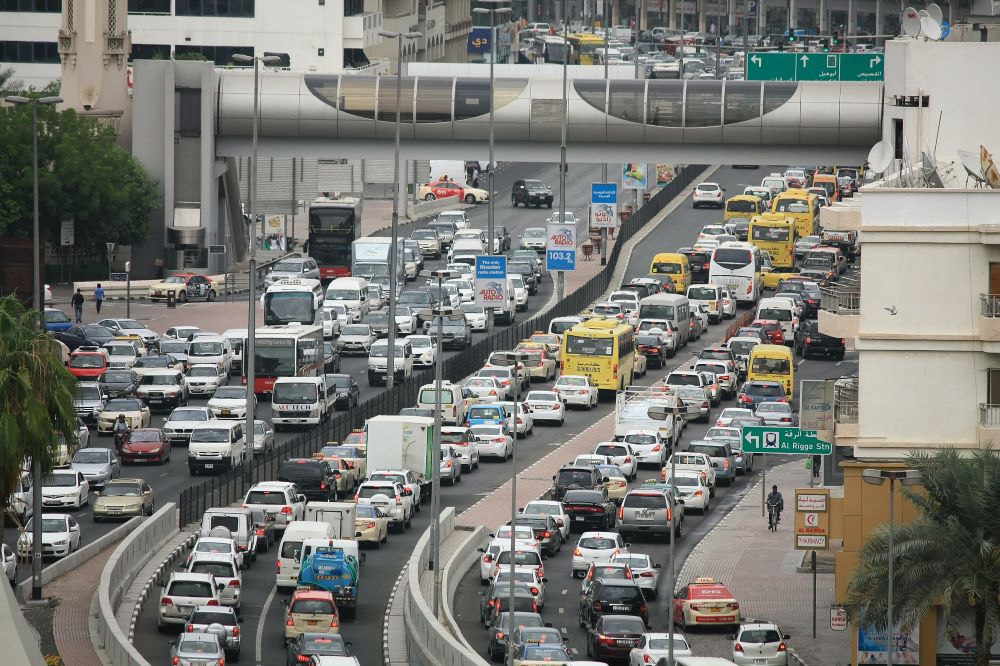 Photo by Iwona Castiello d'Antonio from Pexels

About James K. Camper
Growing up in a family where asbestos-related cancer, lawsuits, and attorneys seemed to be the main conversation topic for a few years left a mark on me. One powerful enough to nurture an unrelenting search for truth and justice. I spent my teenage years volunteering in hospice centers and nursing homes and I went to law school to learn how to defend the defenseless. I don’t want to become “just a lawyer” when I finish next year. I want to become a voice and an advocate for all those who need their rights protected. The articles I write for various legal magazines and online platforms are my way to inform, educate, and help people around me, just like others helped my family in their time of need.