
The Grain in Maine (milk & veggies too!)
The Grain in Maine (milk & veggies too!)
Maine is so well-known for lobster that they're sold at highway rest stops. However, there's more to the food scene in this salt-crusted, spirited corner of the country than their famed shellfish, or even their luscious wild blueberries. A trio of tales out of the far northeast highlights the diversity, change, challenges, and maybe even the future of the food scene, in Maine and beyond.The United States has long been a mixing bowl (if not a melting pot), taking in the immigrant and the refugee, a place where old wisdom finds a fresh start in a way that makes all of us richer if we embrace it. In Wales, Maine, about an hour north of Portland, the tiny town of less than 1,700 souls hosts the Little Jubba Central Maine Agrarian Commons, a collective farm trust that's an unusual model of land ownership in this country. Last year, a crowdfunding campaign brought in $367,000 which allowed about 200 people of Bantu descent from Somalia (where they're an ethnic minority) to obtain 104 acres of land there. The deed is held by the Agrarian Trust, a nonprofit that's working towards decentralizing and correcting racial inequities in land ownership.With a multigenerational land lease, Little Jubba will be run by a collective of farmers whose families will live there, growing food to eat and for market, while sharing a commons that will include a gathering hall and a commercial kitchen. It's a better place to settle refugees, who often come to the U.S. chock full of agrarian know-how, yet are too often dropped into urban settings without the resources to do what they love, a major loss not only for refugee families, but for the United States as a whole. Considering that American farmers are aging out of the business that their heirs may not be interested in continuing, this may be a win-win solution that feeds both immigrants and a country that clearly loves to eat.
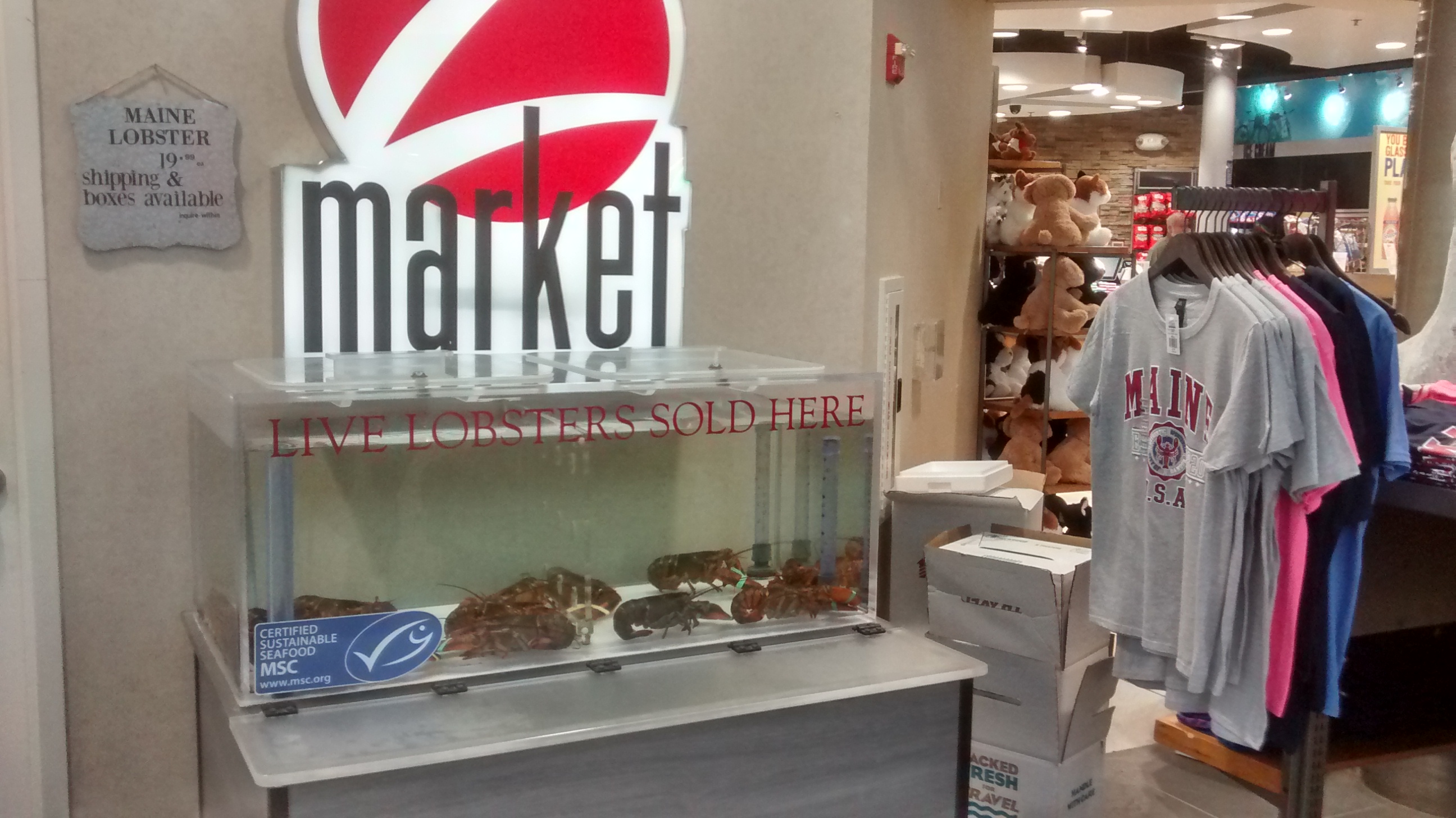 Maine highway rest stop. Photo by the author.
Sources:
Maine’s Somali Bantus Are Reenvisioning American Farming
The Homegrown Meals In This Prison Stand Out Against Most Unpalatable Jail Food
Organic dairy farmers face uncertain future after food conglomerate cuts contracts
About Dawn Allen
Dawn Allen is a freelance writer and editor who is passionate about sustainability, political economy, gardening, traditional craftwork, and simple living. She and her husband are currently renovating a rural homestead in southeastern Michigan.