Most people would agree that the objective of mental health care should be pretty straightforward – to help affected individuals live the best possible life with reduced or eliminated symptoms. Unfortunately, serious mental health issues are often debilitating and “talk therapy” falls short when it comes to symptom management. Many individuals with severe and persistent
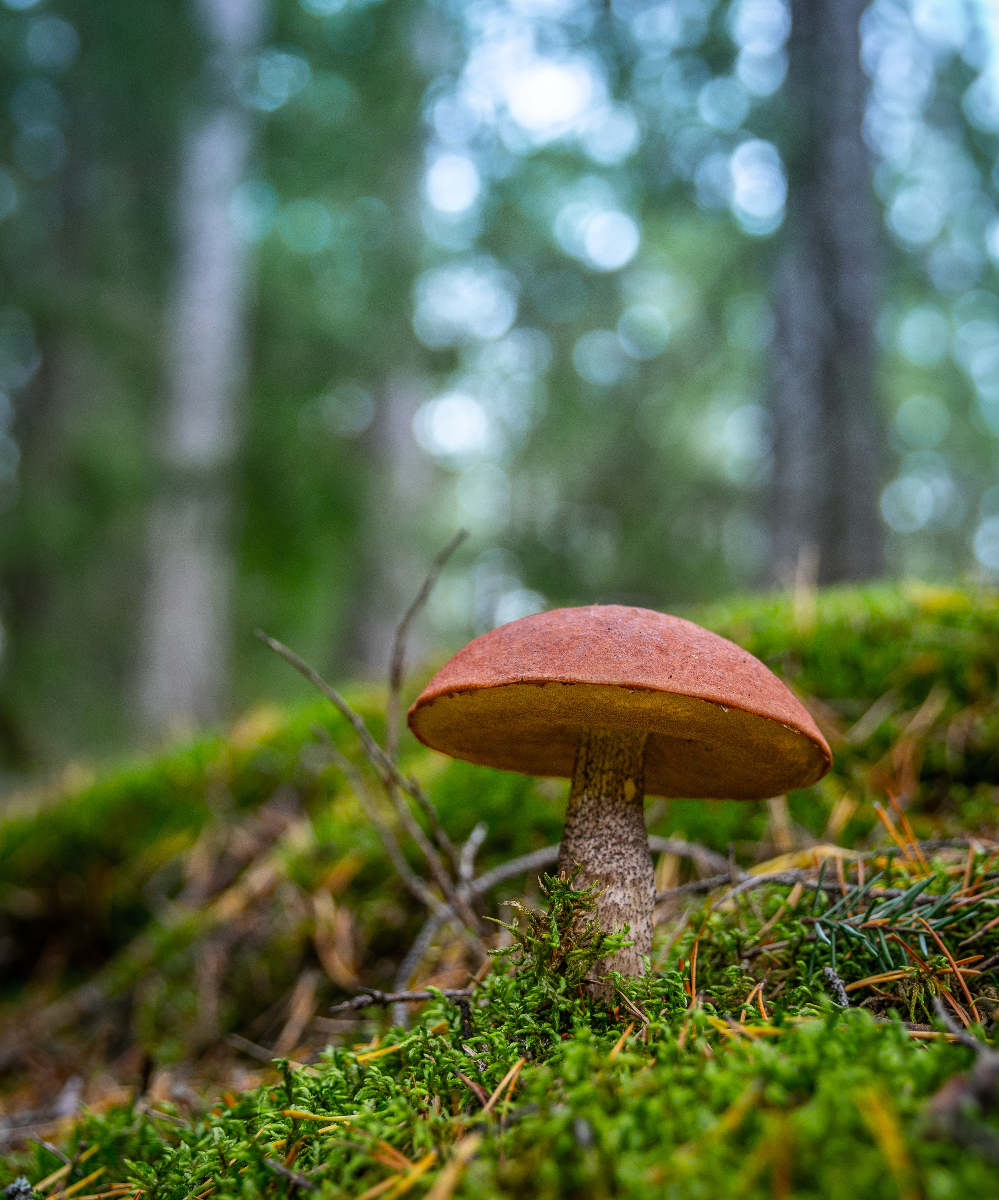
psychiatric disorders are unable to maintain ongoing employment due to their condition, putting them at risk for homelessness and other similar outcomes. Fortunately, the therapeutic uses for psilocybin may hold the key to changing all of that.Psychiatric disorders such as anxiety and depression, as well as chronic pain may be treated with psychedelic drugs like psilocybin and LSD, according to research presented at the San Diego Society for Neuroscience meeting. Biomedical engineer Alex Kwan presented findings indicating that psilocybin, a compound found in magic mushrooms, may help the brain create new connections between neurons, a process called brain plasticity. This plasticity may be why a single psychedelic drug dose can have long-term therapeutic uses for disorders like anxiety, depression, and
PTSD.
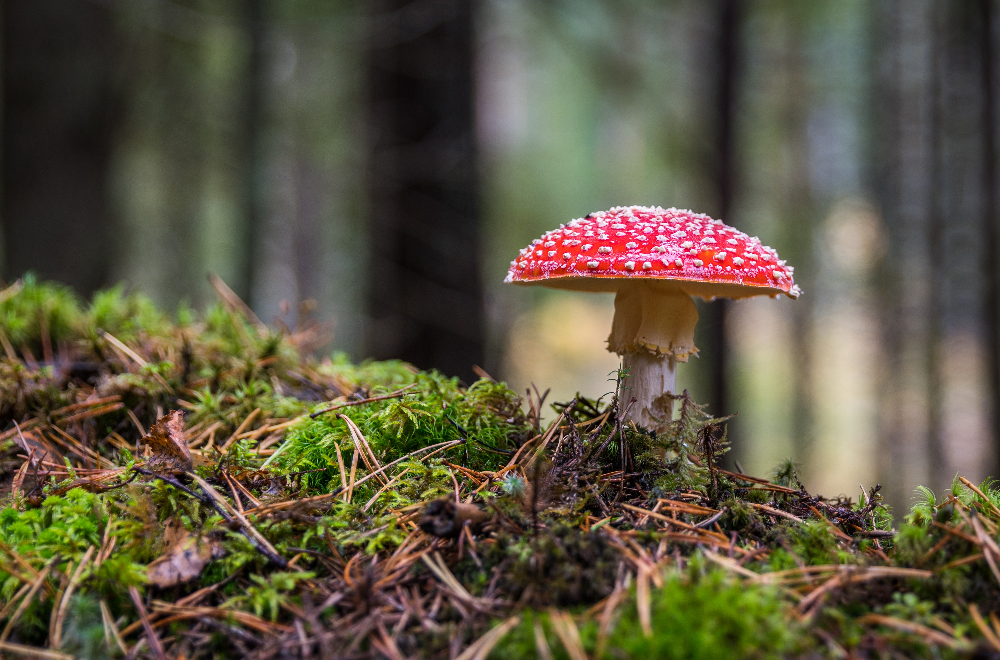 Photo by Egor Kamelev from Pexels
While these drugs have shown promise in treating cluster headaches, they may also cause unpleasant hallucinations. They may not be tolerated by all patients. A survey of 53 people found that 93% of those who used psilocybin during a cluster period reported it effectively reduced the intensity or frequency of their attacks. Psilocybin has also been found to increase life satisfaction and quality of life for those with chronic cluster headaches, but more research is needed to understand the safety and effectiveness of the drug for this purpose. Yale University is now conducting further studies based on these findings.Migraine and post-concussive headaches are also being studied as potential indications for
psilocybin treatment. A small, randomized, placebo-controlled study at Yale found that a single low-dose psilocybin reduced the frequency of migraines by 50% over two weeks. A follow-up study is being conducted to examine the effects of repeated doses of psilocybin on migraines. A study on the use of psilocybin for post-concussive headaches is currently enrolling at Yale. In addition, a clinical trial is underway to evaluate the use of low-dose psilocybin to treat SUNHA, a rare and debilitating type of headache.Psilocybin has also shown promise as a potential treatment for treatment-resistant depression. Research is starting to show that the use of a serotonergic agent like
psilocybin has the ability to alter sensory perception in a way that can help depression symptoms. Through the use of this type of therapy, the mind can function more clearly, allowing brain regions to connect that may have previously struggled to work together properly.In a recent phase 2 double-blind trial, participants with treatment-resistant depression were randomly assigned to receive a high dose of psilocybin (25 mg), a lower dose (10 mg), or a placebo (1 mg). The results showed that the high dose significantly reduced depression scores compared to the placebo after just three weeks, while the lower dose was ineffective. Although some adverse effects, including suicidal ideation or behavior, were reported, more extensive and more prolonged trials are needed to fully understand the safety and effectiveness of any therapeutic uses of psilocybin for treatment of depression.
Sources:
Science Feature: Psilocybin for HeadachesPsychedelic drugs may launch a new era in psychiatric treatment, brain scientists saySingle-Dose Psilocybin for a Treatment-Resistant Episode of Major DepressionPsilocybin Could Provide Hope for Treatment Resistant Depression