Too Much Stuff
Too Much Stuff
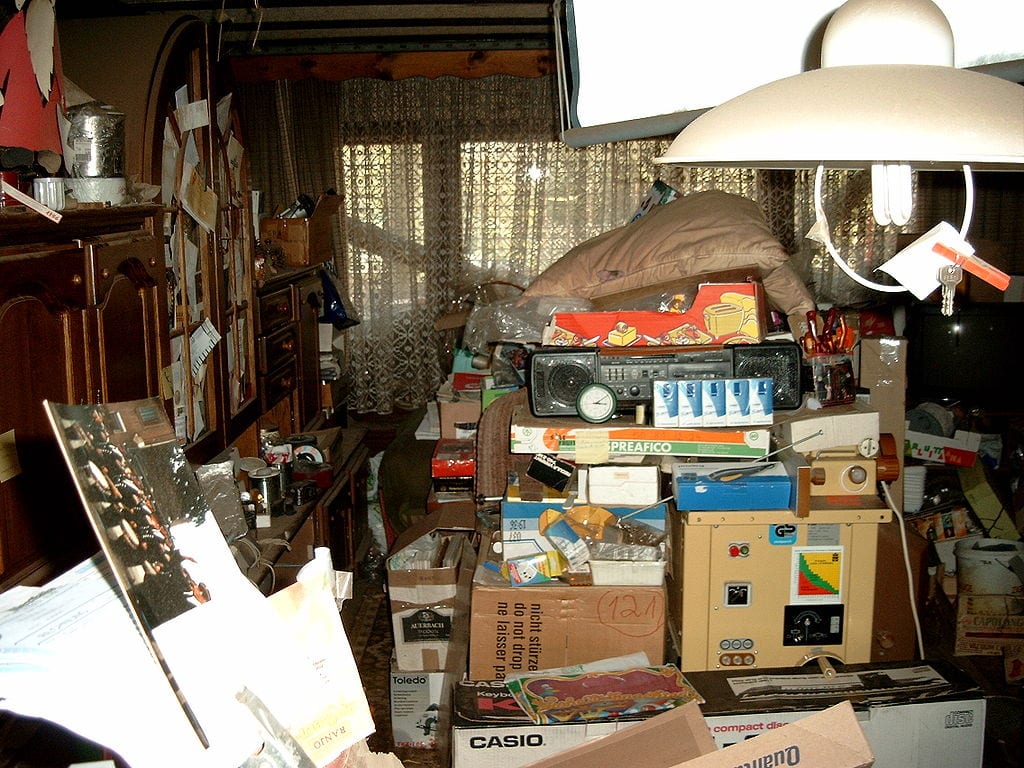
If you've ever criticized the capitalist system out loud, you've probably gotten blowback that included praises of how much stuff Capitalism has given us. We have iPhones and refrigerators, for heaven's sake! How can you question the obvious benefits, people wonder. Considering the current popularity of Marie Kondo and her life-changing tidying, though, one could be forgiven for thinking that, perhaps, just maybe, we have too much stuff.We live in a culture that's gone all-in for consumerism. It's not just iPhones and refrigerators. We also have Unicorn Poop fragrance oil, glittery dog scrotums, and individually plastic-wrapped bananas. A certain amount of material wealth can conceivably improve our day-to-day existence, but we've long passed that point and dived straight into the ridiculous. Yet people also depend upon jobs in the cash economy, even if their job is wrapping all of those bananas, in order to feed their families. It's a no-win situation, since we are burning through our ecosphere turning resources into too much stuff, but stopping the madness means being unable to support our exploding population without changing the system.It's not a new problem. People have bemoaned the propensity for hoarding for years. A 2014 LA Times article claims that the average U.S. household contains 300,000 items, and that while only 3.7% of the world's children are American, those kids controlled 47% of the world's toys and children's books. Americans, in particular, were pushed into consumer culture. In the 1920s, American industry was producing pretty much everything people needed and people were starting to reduce their work hours to enjoy more leisure (and help spread the work during the Great Depression), but business leaders saw this as a lost income opportunity. After WWII ramped up the country's productivity by building vast piles of items designed to explode, all that capacity (and the financial opportunity it represented) would have gone to waste if people didn't step in to prop it up by buying too much stuff they didn't really need.
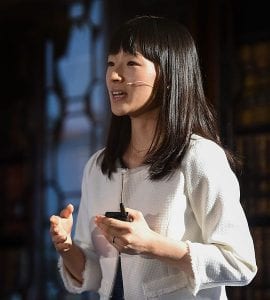 Marie Kondo in 2015. Photo by Web Summit, courtesy of Wikimedia Commons. CC BY 2.0
Sources:
Glittery Scrotums Are The Latest Dog Grooming Trend And Why Not?
What Do Early KonMari Adopters’ Homes Look Like Now?
The 'Marie Kondo effect'? Thrift stores nationwide see an uptick in donations
Swedish death cleaning is the morbid new way to de-clutter your life
Retailers Are Suffering Because People Want Less Stuff
New research says secondhand Legos are surprisingly valuable
For many people, gathering possessions is just the stuff of life
The Gospel of Consumption
There's A Staggering Conspiracy Behind The Rise Of Consumer Culture

About Dawn Allen
Dawn Allen is a freelance writer and editor who is passionate about sustainability, political economy, gardening, traditional craftwork, and simple living. She and her husband are currently renovating a rural homestead in southeastern Michigan.