Understanding How HIPAA Law Protects Your Health Records Just Like It Did Trump's Covid Result
Understanding How HIPAA Law Protects Your Health Records Just Like It Did Trump's Covid Result
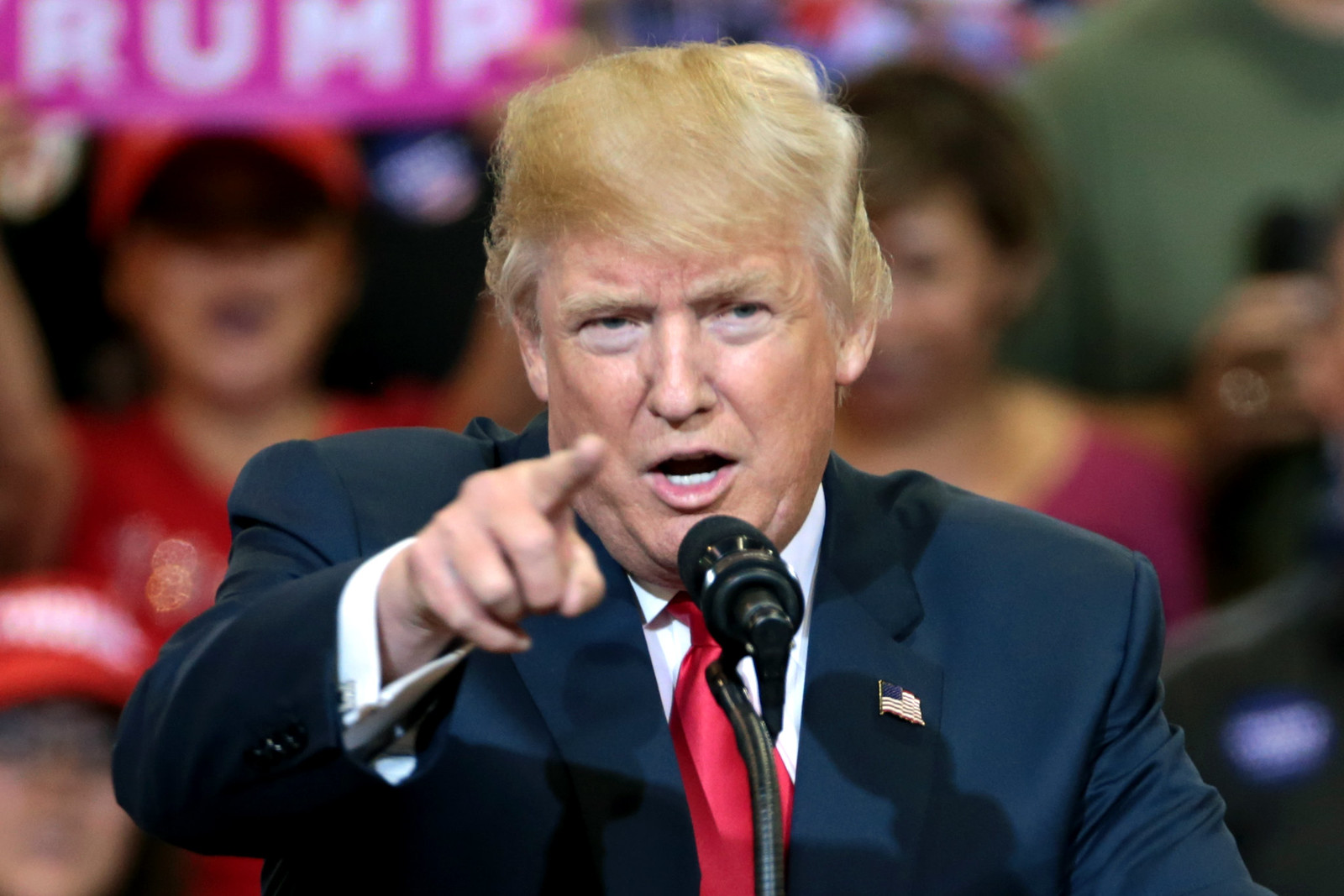
Your urge to know about President Trump’s fight with the deadly coronavirus was understandable, but unfortunately, any health-related information cannot be disclosed without the consent of the person, as per HIPAA rules. Whether you are a President or a common man, your medical privacy rights are absolute, and no one is allowed to make your health information public without your consent or knowledge (at least in the USA). The White House physician, Dr. Sean Conley, invoked HIPAA law to restrict the disclosure of any of the president’s health-related information. Thanks to the media frenzy, now people are more aware of the protections available to patients under HIPAA law.In response to Dr. Conley’s "not at liberty to discuss" response, an ABC News reporter asked him, “So, you are actively not telling us what those lung scans showed?"In response, Dr. Conley rightly said, “There are HIPAA rules and regulations that restrict me in sharing certain things."Here’s everything you need to know about the medical privacy protection law: What is HIPAA, and why did Congress pass it?The Health Insurance Portability and Accountability Act (HIPAA) is a federal law passed by Congress in 1996 to ensure the protection of an individual’s healthcare information. The need for stringent nondisclosure requirements arose after the HIV status of tennis star Arthur Ashe was made public and the health records of country music star Tammy Wynette were sold to a tabloid for commercial gain. It triggered a debate around health care data protection, and Congress rightfully passed HIPAA laws to make non-compliance to the rules a punishable offense.Under the law, all entities covered under the Act are prohibited from disclosing your Protected Health Information (PHI), willingly or unwillingly, without your consent. Those who break the rules are liable to hefty fines and, in extreme cases, a prison term as well.Florida Democrat Donna Shalala, who as secretary of the Department of Health and Human Services under President Bill Clinton helped write the law, told CBS News that the goal was to protect people’s medical information, called PHI, and make it easier for patients to access such information. In fact, according to a survey commissioned by Invisalign in association with The Pew Charitable Trusts shows that 61 per cent of U.S adults are interested in managing their own health and want to download their health records to their smartphone.Scope of Data Protection Under HIPAAIn light of the recent debate surrounding President Trump’s health information disclosure, it is pertinent to know what kind of information is protected under the Act. The applicability of HIPAA compliance is restricted to only those entities covered under the act. Applicability is very broad in terms of which types of healthcare providers and associated businesses and people are covered. It includes administrative staff, pharmacies, laboratories, health insurers, and others. So, everyone in possession of patient information or who has access to such information must protect PHI without fail. It doesn’t mean that health data saved in digital devices or genetic data shared on websites is covered under the Act. Digital data protection is covered under other relevant acts. If you are an employer, you are not bound to HIPAA compliance, as the responsibility for PHI data protection is with health insurers. However, you have to follow relevant other laws like the Americans with Disabilities Act and follow all such data protection rules.Who does HIPAA Apply to?All health care service providers and business associates, like health insurers, must be HIPAA-compliant to ensure the protection of patient data. If you are confused about the applicability of HIPAA on White House physicians, then yes, the person in charge is responsible under HIPAA to ensure total privacy protection. Organizational coverage doesn’t exclude the White House from HIPAA compliance. Above all, the core idea of the law is to ensure the enforceability of data protection, not where the data is protected.Of course, there is no such thing as a universal application of HIPAA law, as schools and school districts, employers, and state law enforcement agencies are not covered under the provisions of HIPAA. It applies to health care service providers and business associates and not your friend who could share your information on any social media platform.What Health Information is Protected Under HIPAA?Anyone in possession of or in contact with PHI, be it doctor, nurses, lab technicians, administrative staff, or health insurers, is not allowed to disclose any of your information without your consent or knowledge. Health care information, as defined under the Act, could be:
Identifiable health information
Personal information
Test results
Findings of diagnosis
Medications and treatment plans
Billing and other relevant information
Insurance-related information
 Medical Records; Image Courtesy of Pixabay, https://pixabay.com/

About Ryan Shaw
Ryan is a professional journalist and writer. He is an avid paddle boarder and outdoorsman. He is currently traveling his path to self-awareness, and is passionate about sharing his healing journey through his writing. Connect with him on Twitter.