Understanding Lab Legal Compliance: Key Regulations and Requirements
Understanding Lab Legal Compliance: Key Regulations and Requirements
Laboratories are very important in many areas, from healthcare to research and development. The United States alone does about 7 billion lab tests each year. This shows how crucial these places are for medical diagnosis, scientific progress, and public health safety. Making sure that all laws are followed is very important because it helps keep the activity of laboratories honest and ethical. This safeguards both workers and patients while maintaining high moral standards in this field.In this blog post, we’ll highlight the size of laboratory activities and discuss compliance with laws and regulations.Safety Regulations and ProtocolsSafety is the most important element in a laboratory. Regulatory bodies such as the Occupational Safety and Health Administration (OSHA) in the United States, or the Health and Safety Executive (HSE) in the United Kingdom require following strict safety protocols. These rules comprise careful dealing with dangerous substances, frequent maintenance of equipment, plans for responding to emergencies, as well as teaching workers about safety procedures. Abiding by these rules is not only for the safety of laboratory workers, but it also prevents environmental dangers and keeps the public safe.Leveraging State-of-the-Art EquipmentModern labs use advanced tools and technology for accurate tests and experiments. They need top-notch equipment that meets strict quality and safety rules, like a single cell sorter, which is important for studying genes and cells. These sorters help scientists study individual cells to understand diseases better and find treatments. In addition to sorters, labs also use automated analyzers, sequencing machines, and imaging systems.Following rules ensures labs give reliable results, which is crucial for good research and patient care. Note that regular checks and adjustments keep the equipment working well. Using the latest tech helps labs do their best work, showing why it's important to keep up with rules so they can get accurate results.Data Privacy and ConfidentialityNowadays, when there is a growing number of data breaches and more worry about privacy, laboratories must follow strict rules on data privacy. One important rule is the Health Insurance Portability and Accountability Act (HIPAA), which requires safeguarding patient health information.To reach this level of quality, labs need to do more than just follow the rules. They must take strong steps like finding safe places for keeping data, advanced ways of hiding information, strict controls for getting inside the system, and complete plans about how to handle important details.The consequences of not following these regulations are serious because they could result in strong punishment, causing great harm to a laboratory's standing in the field and with its customers.Quality Assurance and Accreditation
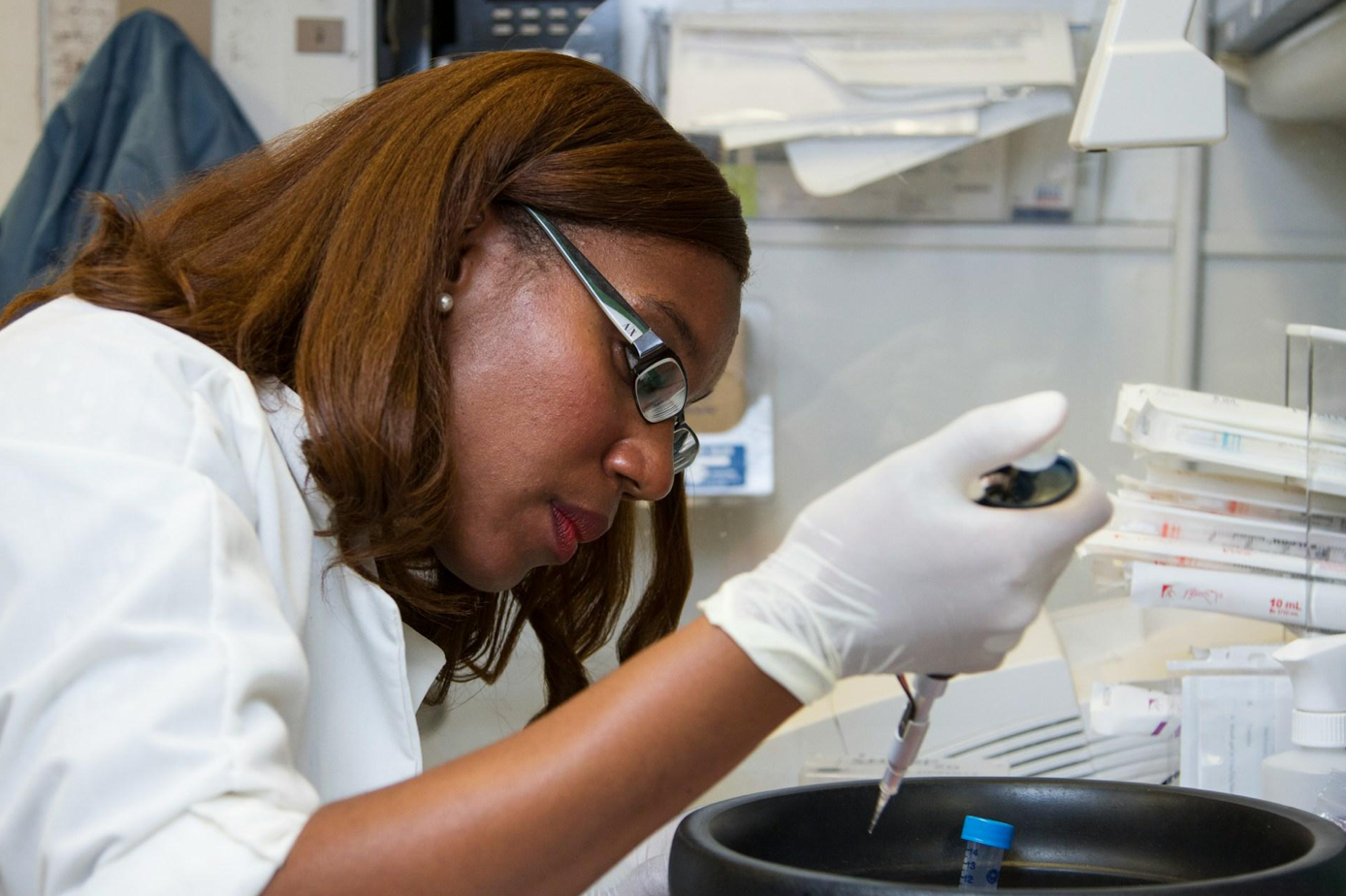
 Photo by Luis Melendez on Unsplash

About Igor Zagradanin
Igor Zagradanin is a content marketing expert with a proven track record of helping businesses by adding value to their brands, developing content marketing strategies, as well as educating and connecting with their audiences on a personal level.