Understanding the Basics of Premises Liability in Nevada
Understanding the Basics of Premises Liability in Nevada
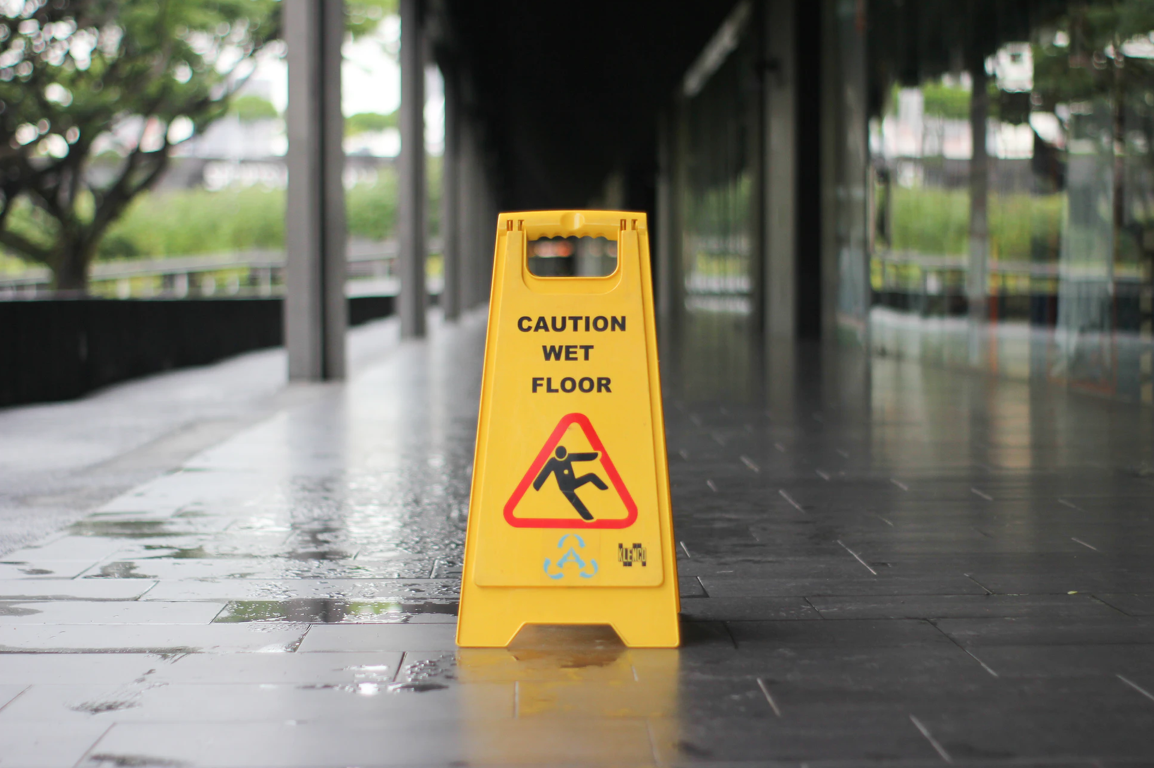
Understanding Nevada premises liability laws is important for both property owners and visitors. Property owners are responsible for keeping a safe environment for guests and employees that come onto the premises. If you have been injured at a business or other property, you have the right to seek financial compensation for your medical bills, lost wages, and emotional trauma.What Is Premises Liability?Premises liability is the legal responsibility that property owners have to ensure safe visiting conditions for guests. The most common examples of premises liability cases include slip and falls, negligent security, faulty construction, and inadequate maintenance.Visitors are separated into three categories when they are on a property, which are invitees, licensees, and trespassers. Each categories is owed a different level of care by the property owner.Invitees, such as customers, are owed the highest level of care. Licensees, which include social guests, are owed a moderate level of care, while trespassers are owed the least amount of care. Children can be an exception to this in certain situations.Types of Premises Liability Claims in NevadaPremises liability claims occur in a variety of situations. The most common types of premises liability claims include:Slip and Fall AccidentsSlip and fall accidents may be caused by wet floors, cluttered walkways, or uneven surfaces. Property owners should inspect the property for hazards on a regular basis and make sure to warn guests with proper signage.Inadequate MaintenanceIf a property has not been properly maintained, it may lead to broken stairs, faulty electrical systems, and poorly lit areas. With regular maintenance, property owners can help reduce the risks of accidents for visitors.Negligent SecurityProperties should have proper lighting, working locks, or even security personnel to help reduce the risk of attacks. These security measures are especially important for apartment buildings and businesses.Dog BitesDog owners are responsible for their pet’s actions and making sure that their dog does not pose a risk to others. If a dog bites someone, whether on the owner’s property or off, the owner can be held liable for the injury.Swimming Pool AccidentsSwimming pools pose a risk, especially to unattended children. Pools must be secured and maintained to safety requirements to prevent injuries. Swimming pools are considered an attractive nuisance, as they may draw in uninvited children who wish to swim.Toxic ExposureMold, asbestos, and chemical exposure can lead to serious health concerns for guests. Properties should be inspected for these hazardous substances and action should be taken to remove them.Requirements for a Successful Premises Liability Claim in Nevada
 Man falling down stairs; image by Sammy Williams, via Unsplash.com.
Duty of Care: Your lawyer must prove that the property owner owed you a duty of care as an invitee, licensee, or trespasser.
Breach of Duty: It must be demonstrated that the property owner breached his or her duty of care. This might be because of failure to warn of hazards, negligent maintenance, or inadequate security measures to prevent accidents.
Causation: The breach of duty must be shown to have caused your injury. This is one of the reasons it is important to seek medical treatment after an accident. Medical documents can help prove that the underlying cause of your injury was the hazardous condition on the property.
Damages: Your losses due to the accident, also known as damages, must be calculated. This may include your medical expenses, lost wages, and pain and suffering.
Notice of Hazard: In many premises liability cases, it must also be proven that the property owner knew about the hazardous condition and did not take the appropriate action to fix the problem.