What Can We Do To Reconnect?
What Can We Do To Reconnect?
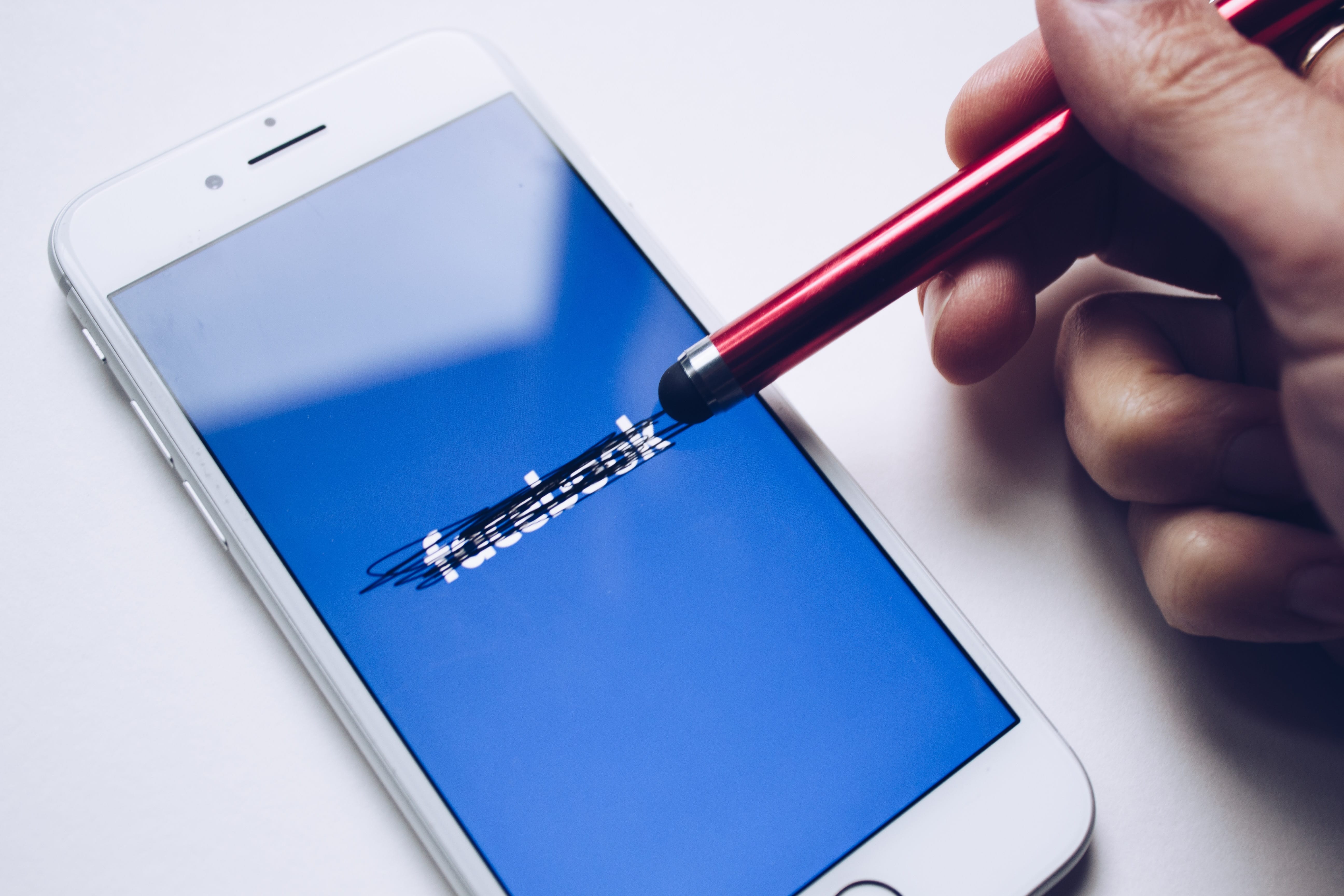
Smart phones and the Internet are technological miracles. These tools allow us to stay close to distant friends and family, become (more or less) better informed about the news of the day, and foster global connections like nothing before. However, using them comes at a cost. Aside from the environmental toll of massive server farms and mining for rare earth minerals, the social cost of virtual connection can mean disconnection from the world surrounding us, in the present moment. Is our network worth it? If not, what can we do to reconnect with each other and the physical world through which we move as we go about our lives?In a New York Times opinion piece last month, philosopher S. Matthew Liao considered whether or not people have a moral duty to leave Facebook. Facebook connects us to distant family and friends, but it also enables massive data aggregation that doesn't always serve us well. The 2016 elections, the rapid spread of fake news, and the Cambridge Analytica scandal all prove that Facebook is also corrosive to our democracy. What can we do to reconnect to others in a more positive way? Stepping away from Facebook in particular (and our smart phones in general) can do a lot to refocus our attention on our family and communities right where we are. The break need not be absolute; we simply have to regard these as useful tools that can assist us in accomplishing what's really meaningful, rather than allowing them to be our masters.Once we put the phone down, though, our hands may crave something to do. What can we do to reconnect with the physical world while working through virtual withdrawal? Learn a skill! Our hands evolved while doing far more useful things than scrolling and swiping. Watching instructional videos online can be inspiring, but at some point, it feels great to make real-world progress on a project that requires active participation. Get your hands dirty in the garden and grow nutritious food for your family. Learn to play a musical instrument, attain a critical level of skill, and entertain your friends. Teach your kids kinetically, and they will learn more deeply than if they had only passively read or watched videos. The future needs more capable people.Once we've put the phones down and learned to work with our hands, what can we do to reconnect with our neighbors and communities? Plenty! Find out what your community needs to be stronger, and start doing it. Akron, Ohio, is a rust belt city that's casting about for ways to reimagine a more vital future for itself. Eyes turned to the failed Innerbelt freeway project that began in the 1970s and was abandoned in 2016, 4.5 miles of a “road to nowhere” that caused more problems than it solved. However, it became the canvas for a surprising number of projects, from “500 Plates” (a community dinner for 500 people along the abandoned freeway), farmers markets, and concerts, to yoga with goats. With 87% of event attendees agreeing that they want the road to be reimagined as a way for Akronites to reconnect with neighbors and nature, and 100% of survey respondents wanting the venue to remain, the City of Akron and partner organizations are planning more events starting in Spring 2019.
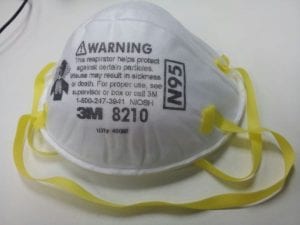 An N95 particulate mask. Photo by Banej, courtesy of Wikimedia Commons. CC BY-SA 3.0
Sources:
Do You Have a Moral Duty to Leave Facebook?
Learning by Doing – Our Thinking Hands
This Flight from Failure
A Forest on the Freeway: "Innerbelt National Forest" Swaps Concrete for Community
What is Mutual Aid?
The Grassroots Movement to Transform Our Broken Disaster Relief System
We Are Rooted Here: North Valley Mutual Aid
About Dawn Allen
Dawn Allen is a freelance writer and editor who is passionate about sustainability, political economy, gardening, traditional craftwork, and simple living. She and her husband are currently renovating a rural homestead in southeastern Michigan.