What Small Businesses Need to Know About Environmental Law
What Small Businesses Need to Know About Environmental Law
Environmental law is an increasingly important area of regulation that affects businesses of all sizes, including small businesses. With growing public awareness of environmental issues and a rising demand for eco-friendly products and services, it's essential for small business owners to understand and comply with relevant environmental regulations. In this blog post, we will explore some of the key aspects of environmental law that small businesses need to be aware of, including permits, waste management, and energy efficiency.Permits and ComplianceOne of the first steps for small businesses in understanding environmental law is to determine whether they need any permits to operate. Depending on the nature of the business and its potential impact on the environment, various permits may be required at the federal, state, or local level. These can range from air and water pollution permits to hazardous waste management permits.Additionally, small businesses should be familiar with the concept of a Power Purchase Agreement (PPA) when considering renewable energy options. You may wonder, "What is PPA?" It is a long-term contract between a renewable energy generator and a buyer (usually a business or utility) that sets the terms for the purchase of electricity generated by the renewable energy project. This can help businesses lock in a stable price for clean energy and contribute to their sustainability goals.Waste Management and Pollution ControlWaste management is another crucial aspect of environmental law that small businesses must consider. This includes not only the proper disposal of solid waste but also the management of hazardous waste, which may be subject to additional regulations. Small businesses should ensure that they are complying with all relevant waste management regulations, including proper storage, transportation, and disposal of waste materials.Pollution control is another important area for small businesses to be aware of. This may involve air pollution control measures, such as installing emissions control equipment or implementing processes to reduce emissions from manufacturing or production activities. Similarly, water pollution control measures may be necessary if a business discharges wastewater or other pollutants into water bodies. Businesses should familiarize themselves with relevant pollution control regulations and take steps to ensure compliance.Energy Efficiency and Conservation
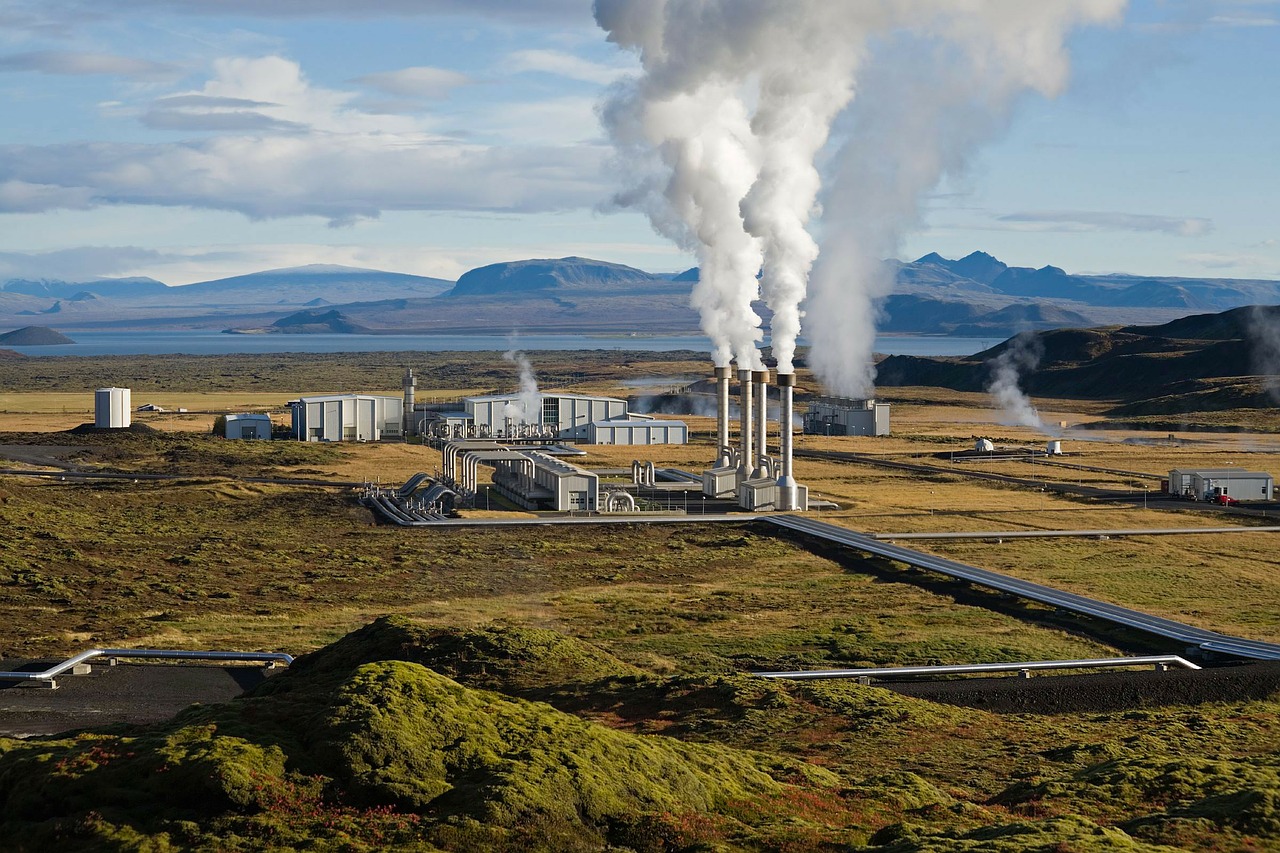 Geothermal energy plant; image courtesy of WikiImages via Pixabay, www.pixabay.com