
What Type of Bankruptcy Should I File?
What Type of Bankruptcy Should I File?
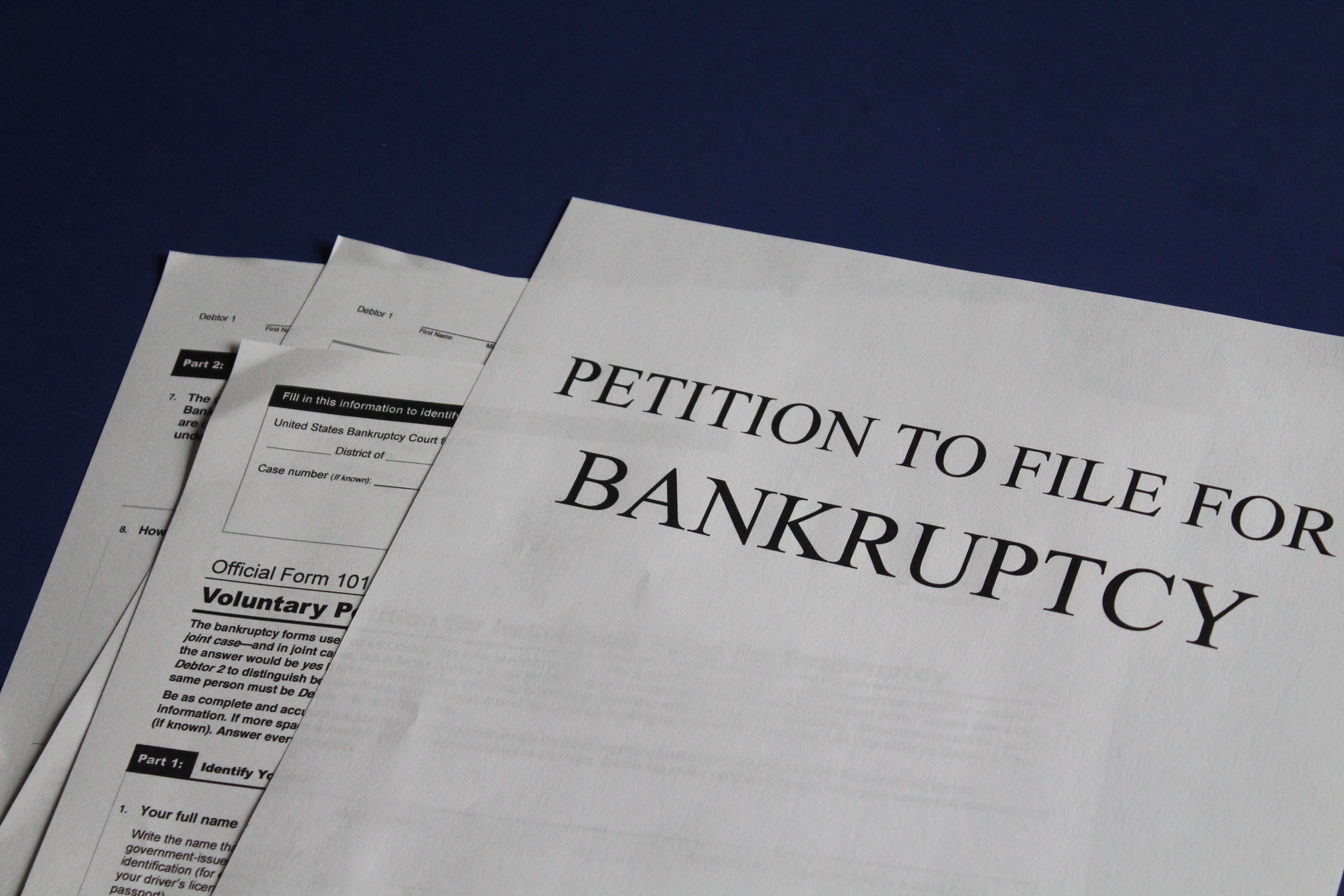
The decision to file for bankruptcy involves several smaller decisions, including whether Chapter 7 or Chapter 13 would be most beneficial given your unique circumstances. In many cases, it is a decision that is taken out of a potential filer’s hands. However, there are situations where someone who otherwise qualifies for Chapter 7 would opt for a Chapter 13 case.Chapter 7 BankruptcyThe most popular type of bankruptcy is a Chapter 7 case. These legal proceedings are relatively fast and result in the elimination of an individual’s non-priority unsecured debt. Unfortunately, a debtor must financially qualify for Chapter 7. Because a Chapter 7 case is designed for someone with limited resources and income, it is not an available option for every debtor.There are two hurdles a potential Chapter 7 filer must clear. First is the “means test.” This calculation is used to determine your current monthly income. If your income is below the median average in your geographical area, you are eligible to file a Chapter 7. If it is above the median income, you still might qualify. A number of allowable deductions and expenses will be subtracted from your household income, including employment taxes, payments to secured creditors, and food and housing allowances to determine if you qualify.The other second hurdle is the amount of non-exempt property a debtor owns. Chapter 7 is also referred to as a “liquidation” bankruptcy because you could be required to turn your assets over to a court-appointed trustee. The trustee would then sell the property, disbursing the proceeds to your creditors. Fortunately, there are state and federal exemptions available to protect your property. Depending on the jurisdiction where you file, you will either use your state’s exemptions or the federal ones. These protections allow you to keep your property. However, if you have non-exempt property, it will have to be sold. In this situation, it might be more beneficial to file Chapter 13.Chapter 13 BankruptcyWhen an individual or couple files a Chapter 13 case, they are attempting to reorganize their financial obligations. Through Chapter 13, you could pay a portion of your debt while discharging other debts.The key component in a Chapter 13 case is the bankruptcy plan. This three-to-five-year payment plan is proposed by a debtor and will include their intentions regarding their various creditors. For example, a Chapter 13 plan could state that a debtor will pay their mortgage arrears, overdue federal taxes, and a pro-rata amount to their unsecured creditors. While this process is not a negotiation with creditors, the plan must conform with the Bankruptcy Code. A creditor is entitled to object to the plan if it fails to comply with the code or properly address its claim.Factors in Deciding Which Chapter of Bankruptcy is More AdvantageousAs stated above, a filer might not have the opportunity to decide what chapter of bankruptcy they file. In most situations, Chapter 7 might be the best option as it is faster and does not require paying back your creditors. However, there are often other factors that influence a filer’s decision.Type of Debt
 Image courtesy of pxfuel.com. CC0
About Paul Young, Esquire
Paul Young has focused on representing clients as a New Jersey Long-term disability attorney, and bankruptcy lawyer for over 30 years, winning thousands of cases. Mr. Young operates out throughout the Philadelphia area, helping anyone in need.