While AI Can be Useful, It's Important to be Mindful of Its Dangers

While AI Can be Useful, It's Important to be Mindful of Its Dangers
The topic of AI has swallowed up the news cycle in 2023, and the development and popularity of these tools are sure to be one of the biggest stories of the year when all is said and done – for good reason. There is a lot that AI can do, and much of it is very useful, especially for business owners and the healthcare industry as a whole. But it’s not all good news. Plenty of people have pointed out the potential risks and downsides of utilizing AI on a broad scale, and there are even some concerns that the way these tools work could be harming the mental health of people who are already in a vulnerable position. Making sure that AI is working for us, and its dangers are kept at bay, should be one of the primary goals and responsibilities of this movement.One of the pressing concerns related to AI and mental health is the fact that many of these tools deliver results based on inputs without any regard to what the user should be seeing given their own individual mental state and history. That’s understandable, but it can also be dangerous.
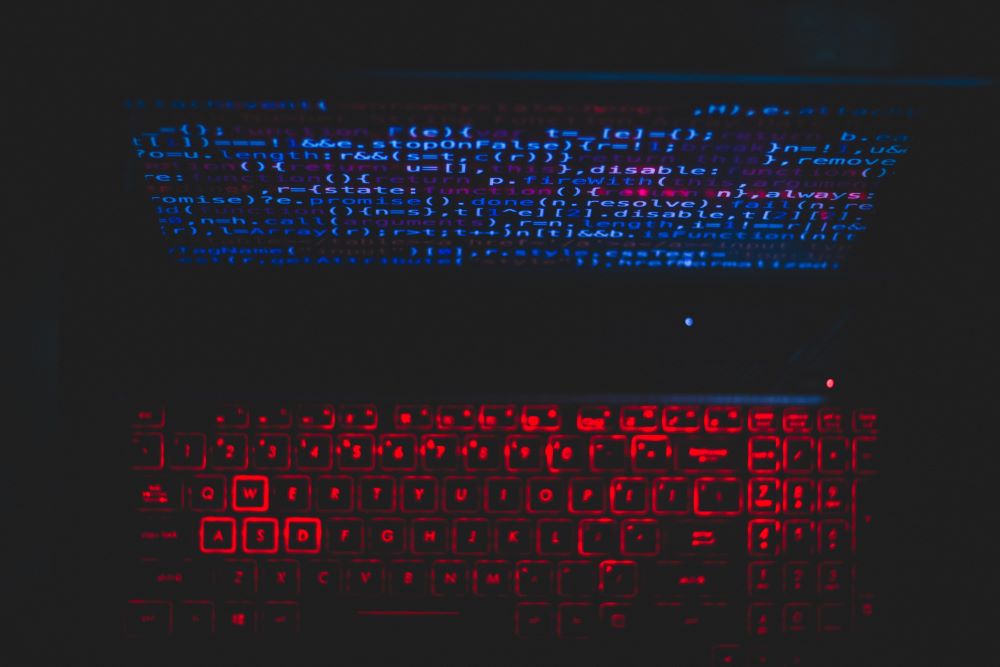 Photo by Rahul Pandit from Pexels
Sources:
Popular AI Tools Can Hurt Your Mental Health, New Study Finds57+ Amazing Artificial Intelligence Statistics (2023)
About Sara E. Teller
Sara is a credited freelance writer, editor, contributor, and essayist, as well as a novelist and poet with nearly twenty years of experience. A seasoned publishing professional, she's worked for newspapers, magazines and book publishers in content digitization, editorial, acquisitions and intellectual property. Sara has been an invited speaker at a Careers in Publishing & Authorship event at Michigan State University and a Reading and Writing Instructor at Sylvan Learning Center. She has an MBA degree with a concentration in Marketing and an MA in Clinical Mental Health Counseling, graduating with a 4.2/4.0 GPA. She is also a member of Chi Sigma Iota and a 2020 recipient of the Donald D. Davis scholarship recognizing social responsibility. Sara is certified in children's book writing, HTML coding and social media marketing. Her fifth book, PTSD: Healing from the Inside Out, was released in September 2019 and is available on Amazon. You can find her others books there, too, including Narcissistic Abuse: A Survival Guide, released in December 2017.