
Who is At-Fault for a Multi-Car Collision in Oklahoma?
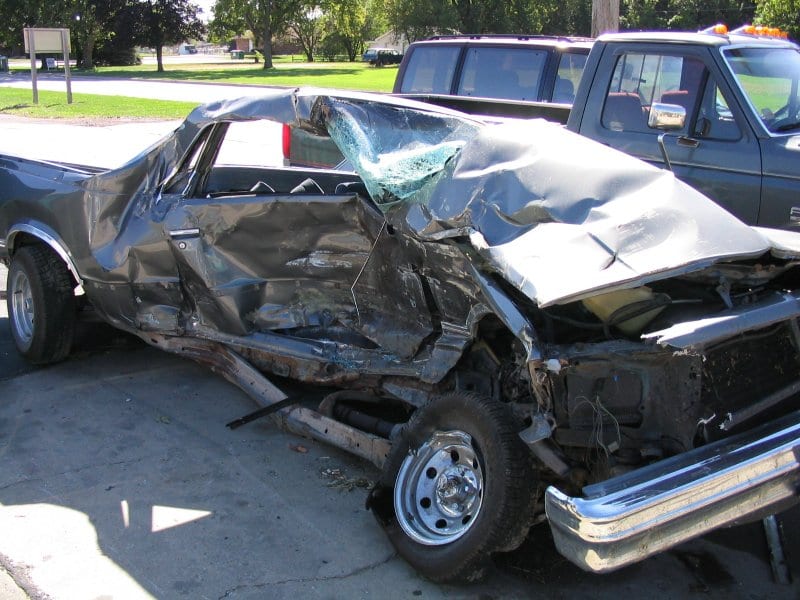
Who is At-Fault for a Multi-Car Collision in Oklahoma?
Multi-car collisions are among the most complex and challenging accidents to navigate, especially when determining fault. In Oklahoma, understanding the nuances of liability in such incidents is crucial for ensuring fair compensation for all parties involved. Let's delve into the intricacies of multi-car collisions and explore how fault is established in the Sooner State.What is a Multi-Car Pile-Up?A multi-car pile-up, also known as a chain-reaction collision, occurs when three or more vehicles are involved in a single accident. These incidents often result from a domino effect, where the impact of one collision triggers subsequent crashes. Common causes include sudden stops, adverse weather conditions, distracted driving, or vehicles following too closely. Multi-car pile-ups can occur on highways, intersections, or congested roads, amplifying the complexity of the situation.How To Determine Liability for a Multiple Car CrashEstablishing liability in a multi-car collision requires a thorough investigation to understand the sequence of events and the actions of each driver involved. Oklahoma follows a modified comparative negligence system, meaning the each party's degree of fault is assessed and a plaintiff’s compensation is reduced by their percentage of fault. To determine liability, several factors are considered:Negligence: Courts assess whether any party acted negligently by breaching their duty of care to others on the road. This could include actions like speeding, running red lights, or failing to yield.Traffic Laws: Compliance with traffic laws is crucial in determining fault. Violations such as improper lane changes, failure to signal, or driving under the influence may contribute to liability.Chain of Events: Understanding the sequence of collisions and each driver's role in the accident is essential. This may involve analyzing witness statements, police reports, and physical evidence from the scene.Comparative Negligence: Oklahoma follows a modified comparative negligence rule, where each party's degree of fault is assessed. If a driver is found to be more than 50% at fault for the accident, they may be barred from recovering damages.Contributory Negligence in Multi-Car CrashesContributory negligence plays a significant role in multi-car collisions, particularly in cases where multiple parties share responsibility for the accident. Under Oklahoma law, each driver's actions leading up to the collision are scrutinized to determine their level of fault. If a driver's negligence contributed to the accident, their ability to recover damages will be eliminated based on the percentage of fault assigned to them. For example, if a driver is found to be more than 50% at fault for a multi-car collision, they won’t be eligible to receive damages or compensation.Proving Fault in Car Accidents with Multiple Parties
 Gavel next to miniature scales of justice; image by sergeitokmakov, via Pixabay.com.
About Emily Williams
Emily Williams is a freelance writer from Edmond, Oklahoma. She has always had a passion for writing and was able to pursue it during her studies in journalism at the University of San Diego.