
Why THC Remains a Touchy Legal Subject
Why THC Remains a Touchy Legal Subject
In 2018, the Agriculture Improvement Act formally permitted farmers across America to legally cultivate cannabis as an industrial crop — as long as each plant contained less than 0.3 percent THC. THC, or delta-9-tetrahydrocannabinol, is typically the most abundant of a class of compounds called cannabinoids, which are unique to cannabis and are largely responsible for cannabis’s unique effects. THC in particular is the cause of the mind-altering high associated with the drug.Since the federal government has all but legalized CBD, the second-most-plentiful cannabinoid which lacks psychoactive effects, it raises a new question: Why does THC remain illegal? Why are so many afraid of this particular component of marijuana? If THC is as dangerous as its detractors believe, why are so many states passing adult-use regulations?A Quick History of THC in AmericaCannabis, and thus THC, has been present in America almost since its discovery by Europe. Colonies in the New World survived their first few years by farming hemp, which was long valued as a fiber to make clothing, ships’ sails and other textiles. Though White colonists did not use cannabis for its psychoactive properties, the Black slaves they relied upon did maintain small, personal marijuana crops for smoking ritually and recreationally.Through the 19th century, small amounts of THC made their way into health tinctures, which were widely distributed amongst White Americans as treatments for various conditions. During the same period, African slaves throughout South America and the Caribbean were sharing their cultural practice of smoking marijuana with native groups and the descendants of Spanish and Portuguese settlers.By the turn of the 20th century, Latin Americans were immigrating to the U.S. in droves, eager to take advantage of the increasing industrialization and wealth within the country. They brought with them the practice of using marijuana for fun. Unfortunately, White Americans were not fond of Spanish-speaking immigrants even then, and many states passed laws to gain more control over Latin people passing over the border. Despite a lack of evidence, wealthy congressmen claimed that using marijuana inspired violence and criminal activity, and they passed laws against its sale, possession and use. Using these laws, the U.S. was able to incarcerate People of Color with greater ease.What THC Does to the Body and BrainBeginning in the 1940s, Americans began to research and understand marijuana outside of the propaganda spread by wealthy White Americans. Scientists identified first CBD, then THC — the two most dominant compounds unique to cannabis and likely to cause the drug’s famous effects.
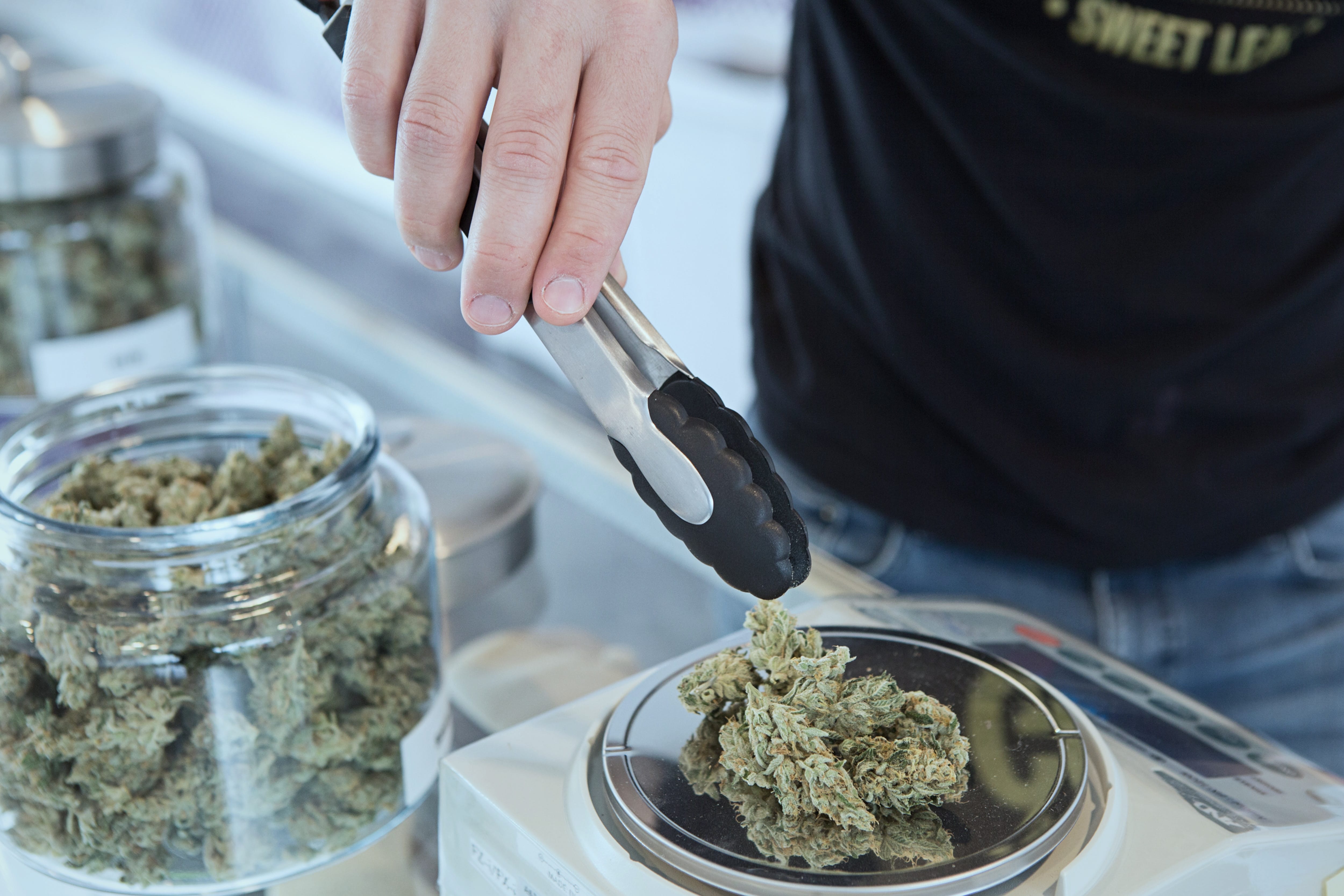
 Enjoying the herb; image by Thomas Bjornstad, via Unsplash.com.
About Shirley
Shirley works as a full-time analytical journalist in CBD industry, She is a regular editor for the many big names in the cannabis industry. When she’s not writing, Shirley likes to go out trying different food, and play with her cat.